Group presents fail at the collection, almost never at the gift. The object gets chosen reasonably; what people remember is the four reminder messages, the spreadsheet, and the person who felt cornered into twenty pounds they did not have.
All of that is fixable with decisions made before anybody is asked for anything.
Why pooling produces a better gift
The arithmetic is genuinely on your side and it is worth stating plainly.
Ten people buying separately produce ten gifts in the twenty pound band. Most of that is spent on things that are pleasant and forgettable, because twenty pounds buys the cheap version of almost everything.
The same ten people pooling produce one gift in a band nobody could have reached alone. That is the entire argument, and it holds for anything: a proper piece of furniture, a weekend, a commissioned piece, a contribution to something large.
There is a second effect that matters more than people expect. A pooled gift is from a named group, which makes it a record of who that group was at that moment. Ten separate presents are not from anybody in particular.
Seven rules that keep the collection clean
The gift is the easy part. These are about the money.
One organiser, and everybody knows who
Group decision-making converges on the safest option nobody objects to, which is almost never the best one. Agree who is leading, let them decide, and let everybody else contribute money and one line for the card.
One suggested amount, not a range
A range is a test. People read the top of it as the real expectation and the bottom as an admission, and both readings are uncomfortable. Name a single figure and let anybody who wants to give more do it privately.
A silent opt-out
Not everybody can spare it and nobody wants to say so in a group message. Collect somewhere that does not display a running list of who has paid, and make non-participation invisible rather than merely permitted.
One message, then nothing
Repeated reminders are what generate resentment, not the original request. Send it once, set a date, and let the deadline do the chasing. Anybody who misses it can still sign the card.
Say exactly what it is for
People give more readily to a specific thing than to a pot. "Twenty pounds towards a commissioned game with all of us in it" is a decision somebody can make; "a collection for Sarah" is a request to trust you.
Do not collect from people who barely know them
A collection that sweeps up the whole floor is a tax on sitting nearby. Ask the people with an actual relationship and let everybody else sign the card without paying for the privilege.
Cover the shortfall quietly
Somebody always forgets. The organiser makes up the difference and never mentions it, because chasing the last two contributions costs more goodwill than the money is worth.
Working out what the per-head figure buys
Do this before you name an amount, because the number people are being asked for should be attached to something they can picture.
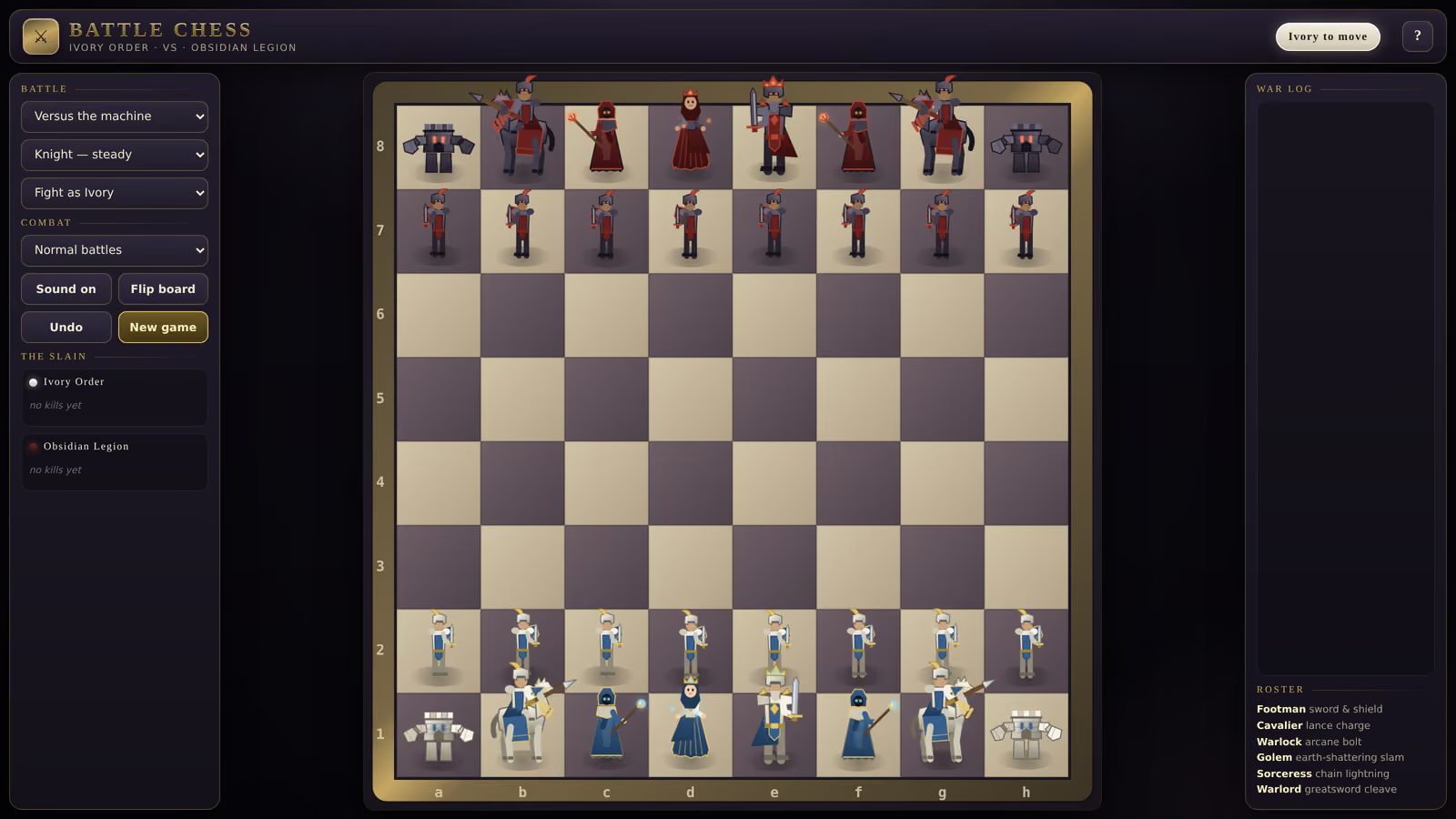
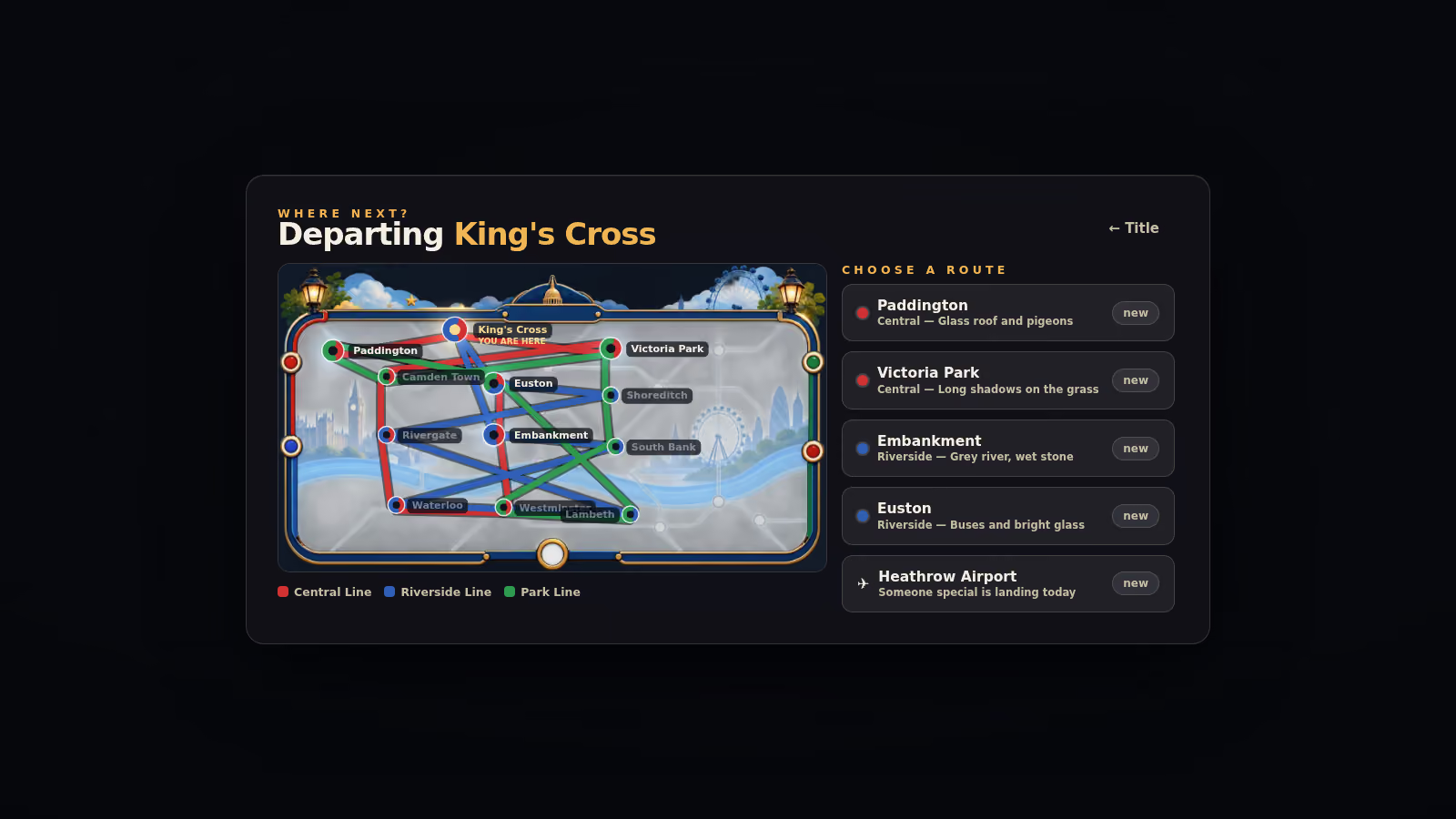
Our tiers make the arithmetic easy to run. A single-level build is £99, a multi-level build with up to twelve cameos is £349, and the full production with unlimited cameos and a tournament mode is £1,200. Divide by the number of people actually contributing and you have the per-head figure to put in the message.
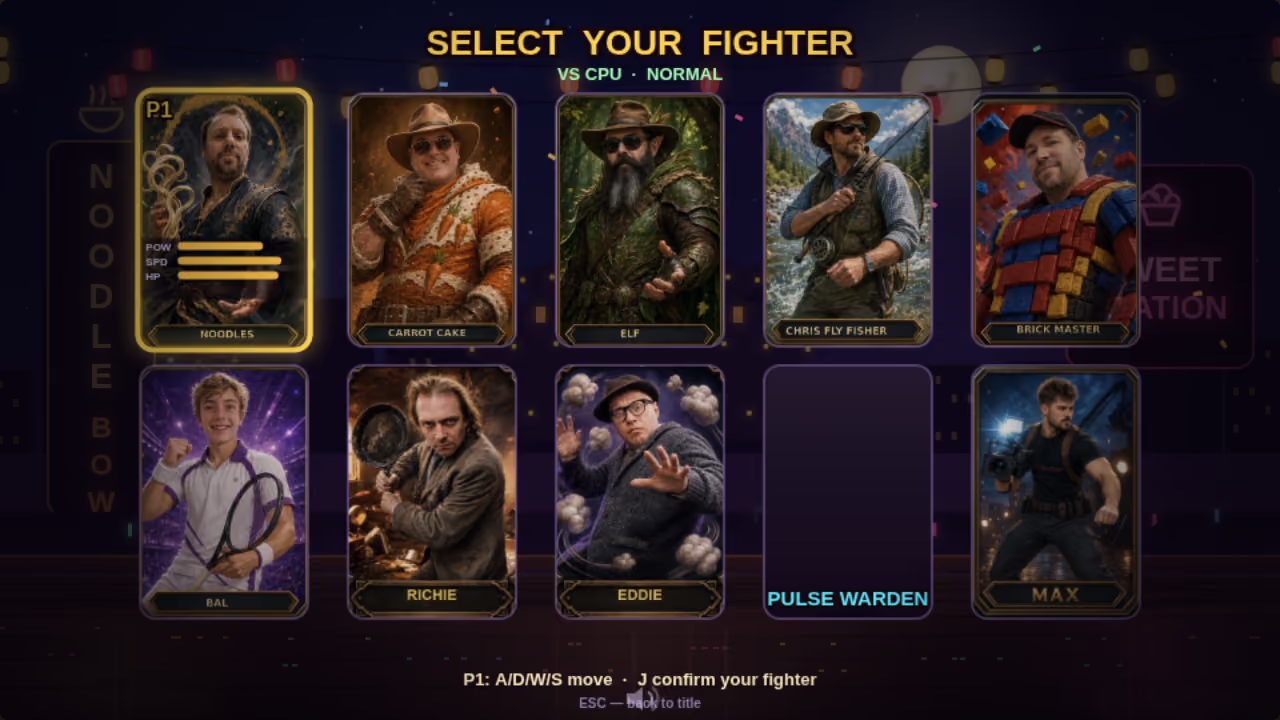
Ten people reaching the middle tier is a modest amount each for something none of them could have commissioned alone. That is the shape that makes a pooled gift obviously worth doing, and it is why commissions suit group gifting better than most categories: the cast size scales with the budget, so more contributors literally means more of them in it.
What actually moves the price between the tiers is set out in how much a custom video game costs, and what the smallest tier includes is in what you actually get for £99.

The workplace version is different
Two things change when the group is colleagues rather than friends.
Seniority makes an ask into an instruction. A collection organised by a manager is not optional however it is worded. If it has to come from that direction, the opt-out needs to be genuinely anonymous and it needs saying out loud that not contributing is fine.
Photographs of colleagues need individual agreement. For anything with people in it, ask each person rather than announcing it, and let anybody decline without explaining why. That applies to a commissioned piece and equally to a collage on the wall.
The related workplace cases are in leaving do ideas for someone changing jobs and retirement gift ideas for a colleague.
What this means
The collection is the risk, not the gift. Design that part deliberately and the rest looks after itself.
One organiser, one figure, one message, silent opt-out.
And attach the number to something people can picture. "Twenty pounds each" is a request. "Twenty pounds each and all of us are in it" is an easy yes.