Guides·4 min read
How to Split the Cost of a Group Gift
The gift is rarely what goes wrong with a group present. The collection is.
What a bespoke game costs, how a commission actually runs, and ideas for the occasions people most often build one for.
The gift is rarely what goes wrong with a group present. The collection is.
The cheapest tier is the one people assume is a token version. It is not, and the reason is worth explaining.
We make these, so this is the article we have the least incentive to write. It is also the most useful one.
A commission has no second customer. That single fact explains almost the whole price.
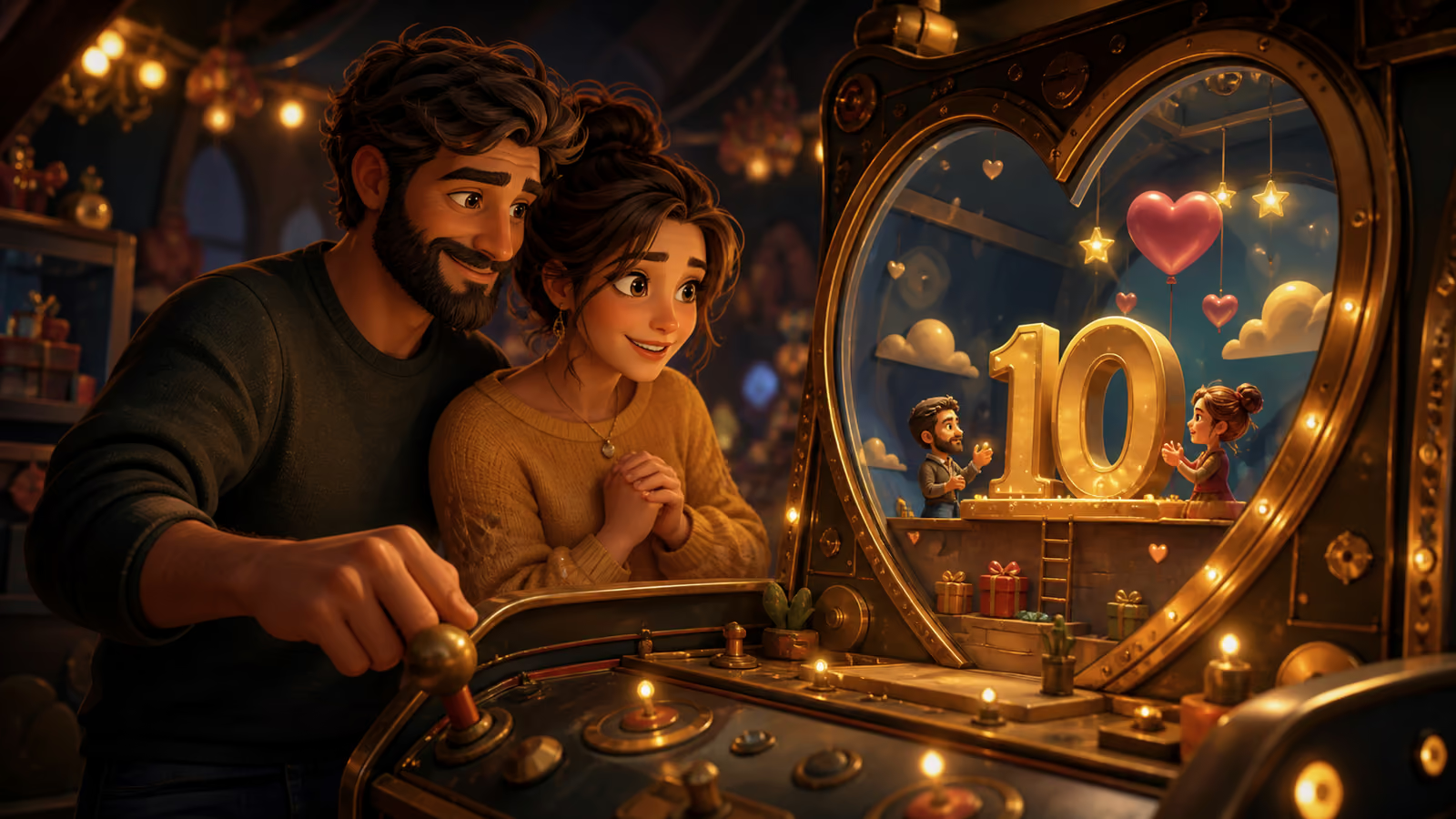
A tenth anniversary usually arrives in the middle of the hardest decade. Plan accordingly.
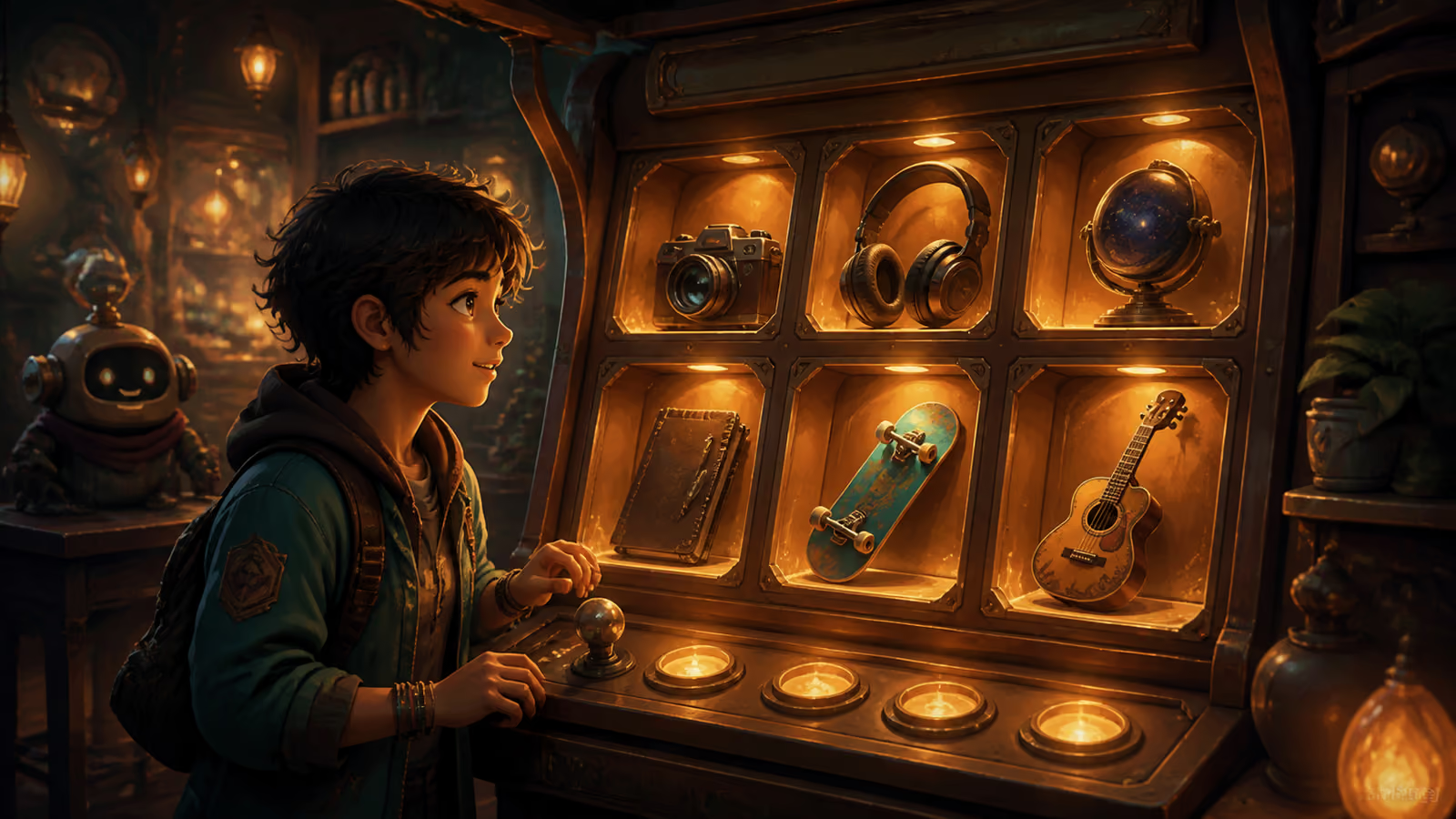
The risk at sixteen is not buying something boring. It is buying something for the person they were at fourteen.
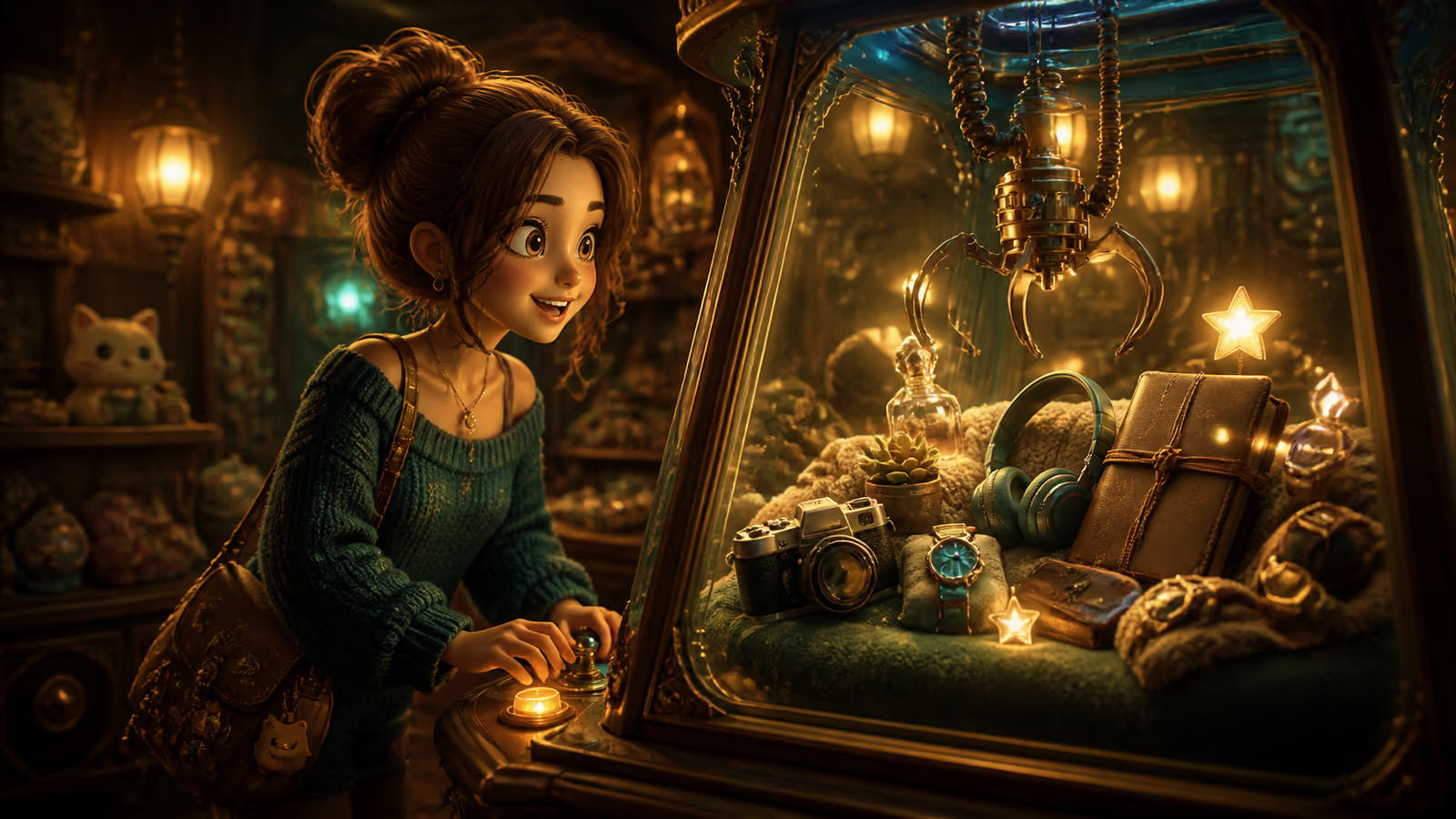
At 21 most people are between homes, between jobs and between phases. That is the actual gift problem.
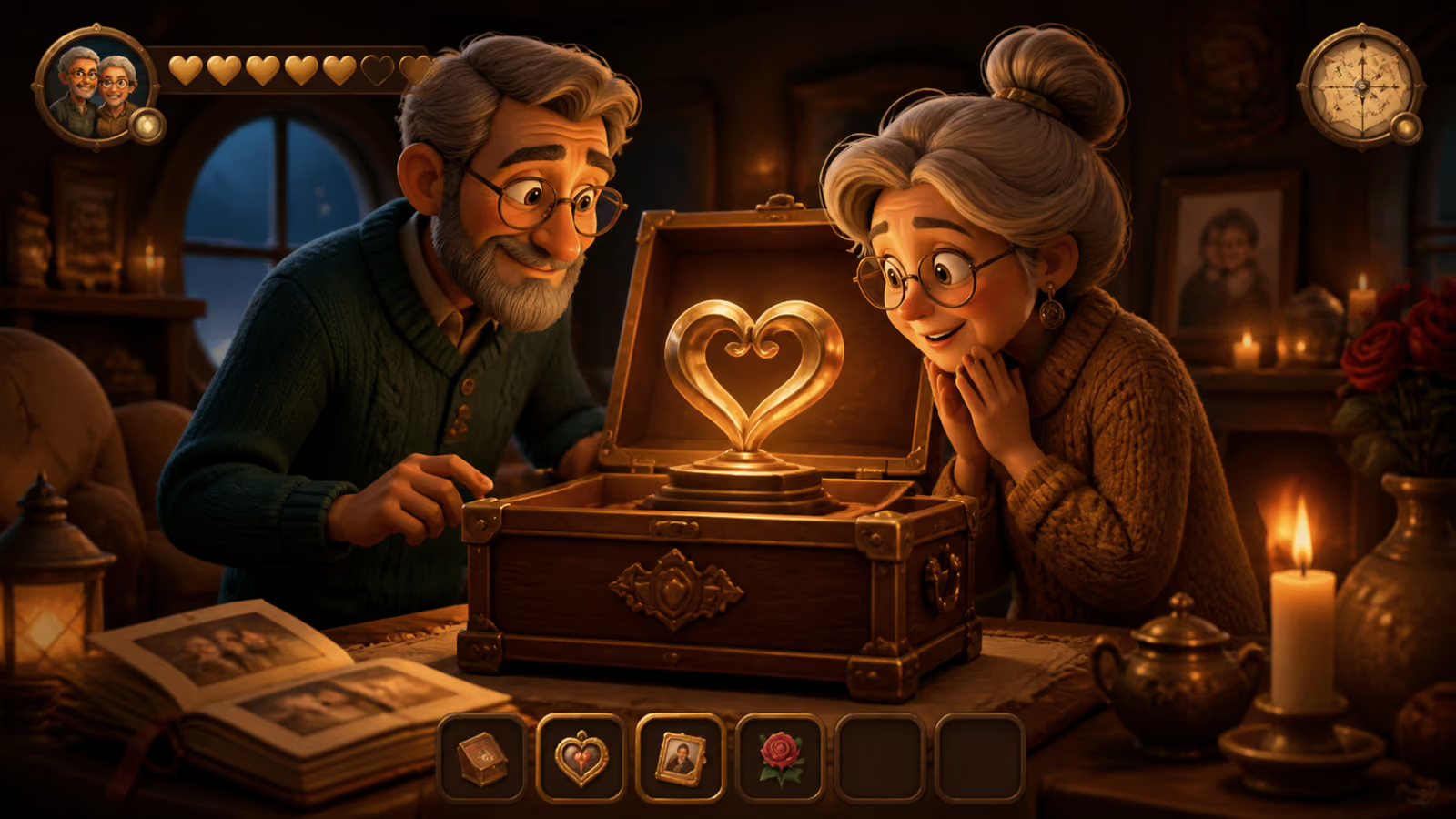
By forty years the gift is almost never for the couple's benefit. It is the family saying something out loud.
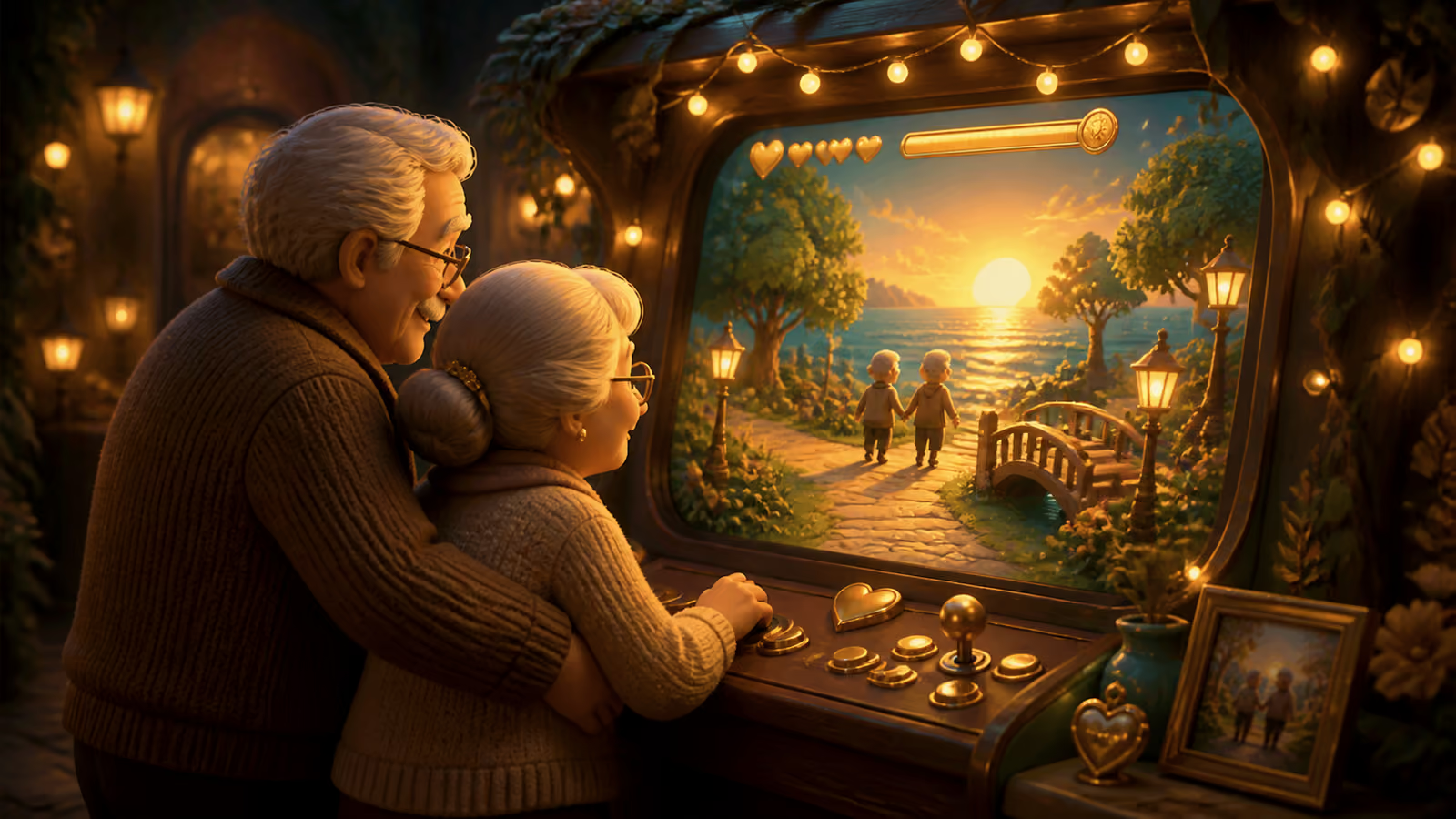
A golden wedding is the last anniversary most families are certain of. That is worth planning around.
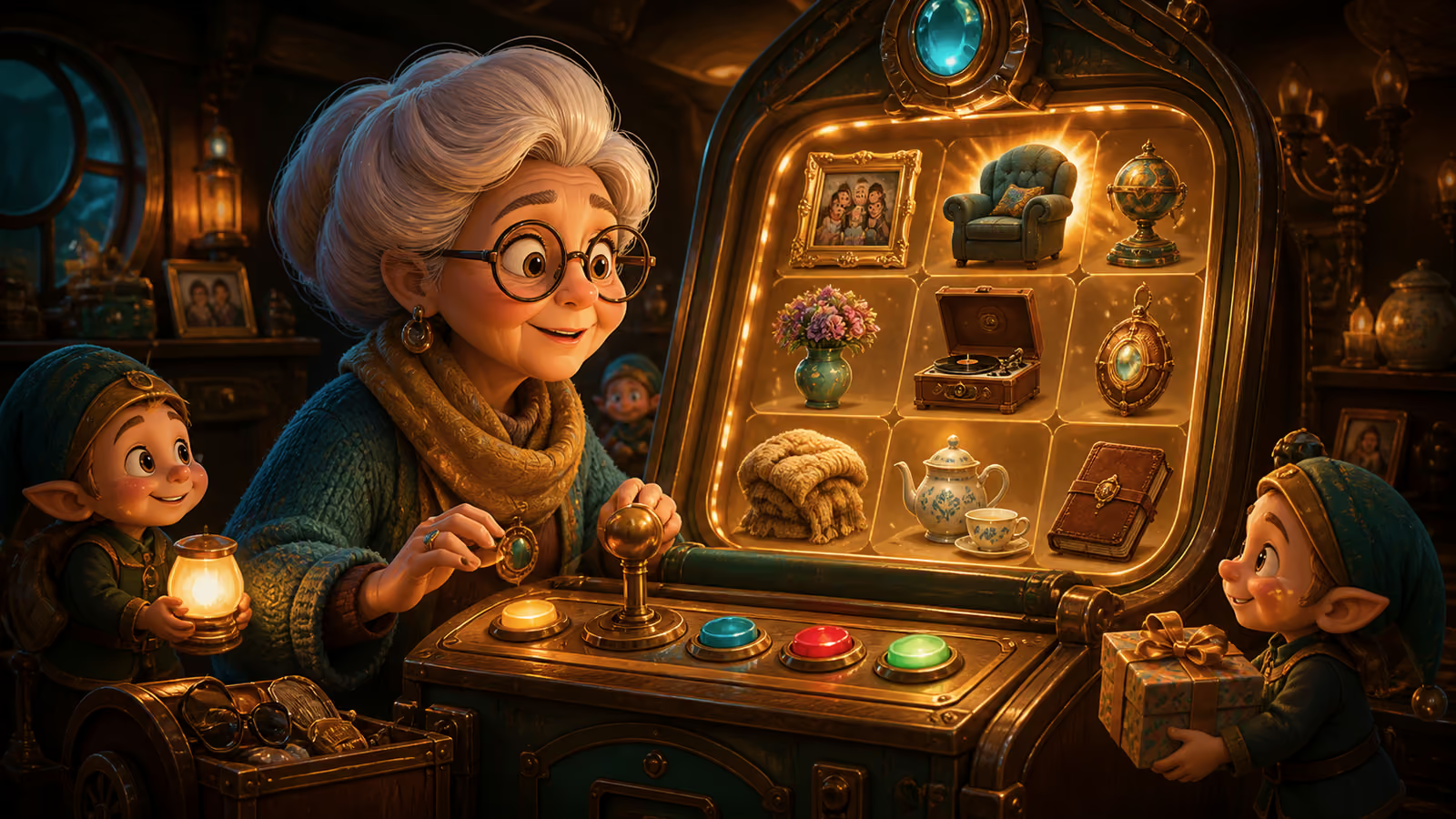
Somebody turning 80 has spent a decade trying to get rid of things. A present should not undo that.
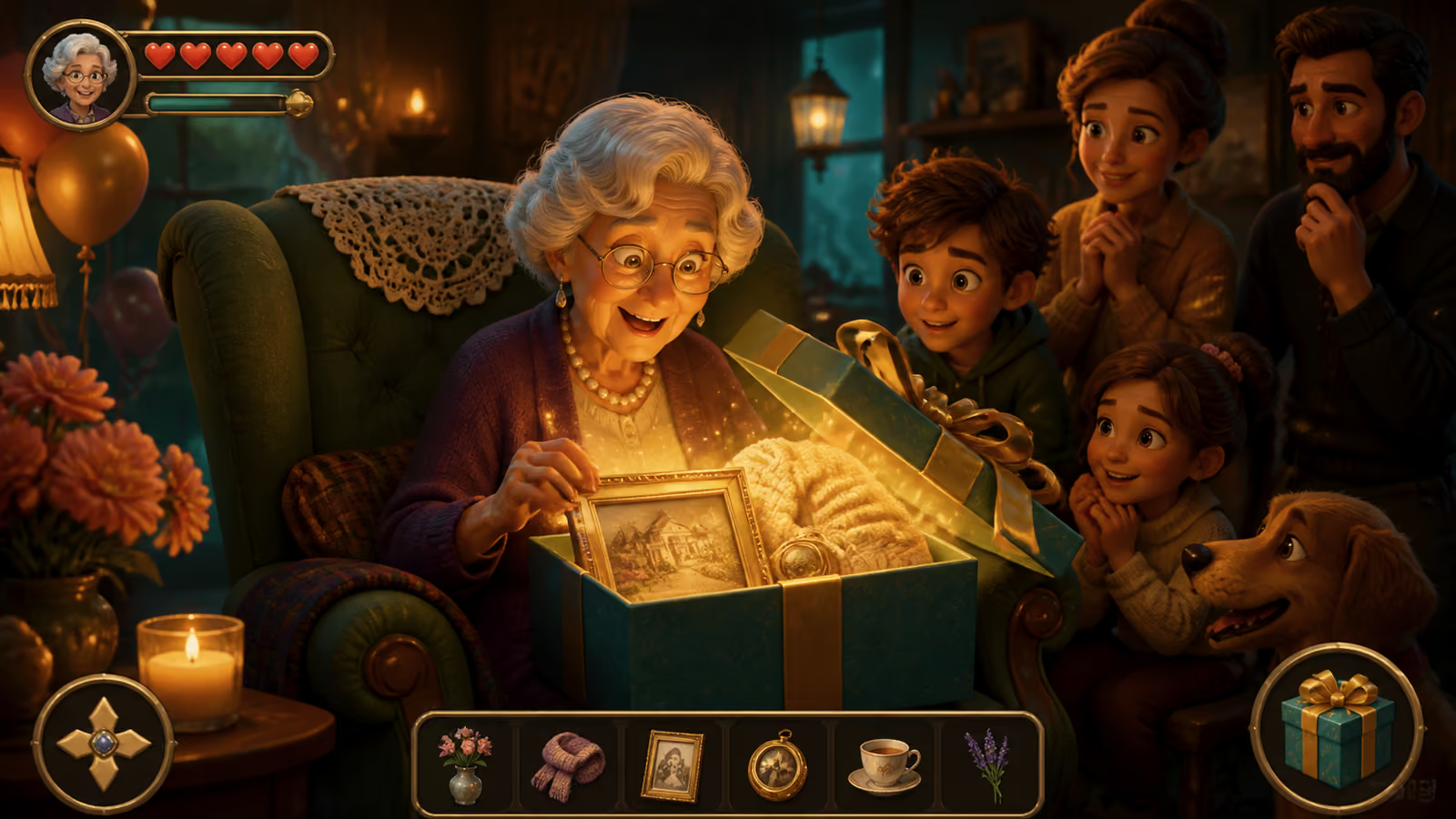
Nobody turning ninety needs anything. The question is what to give when that is genuinely true.
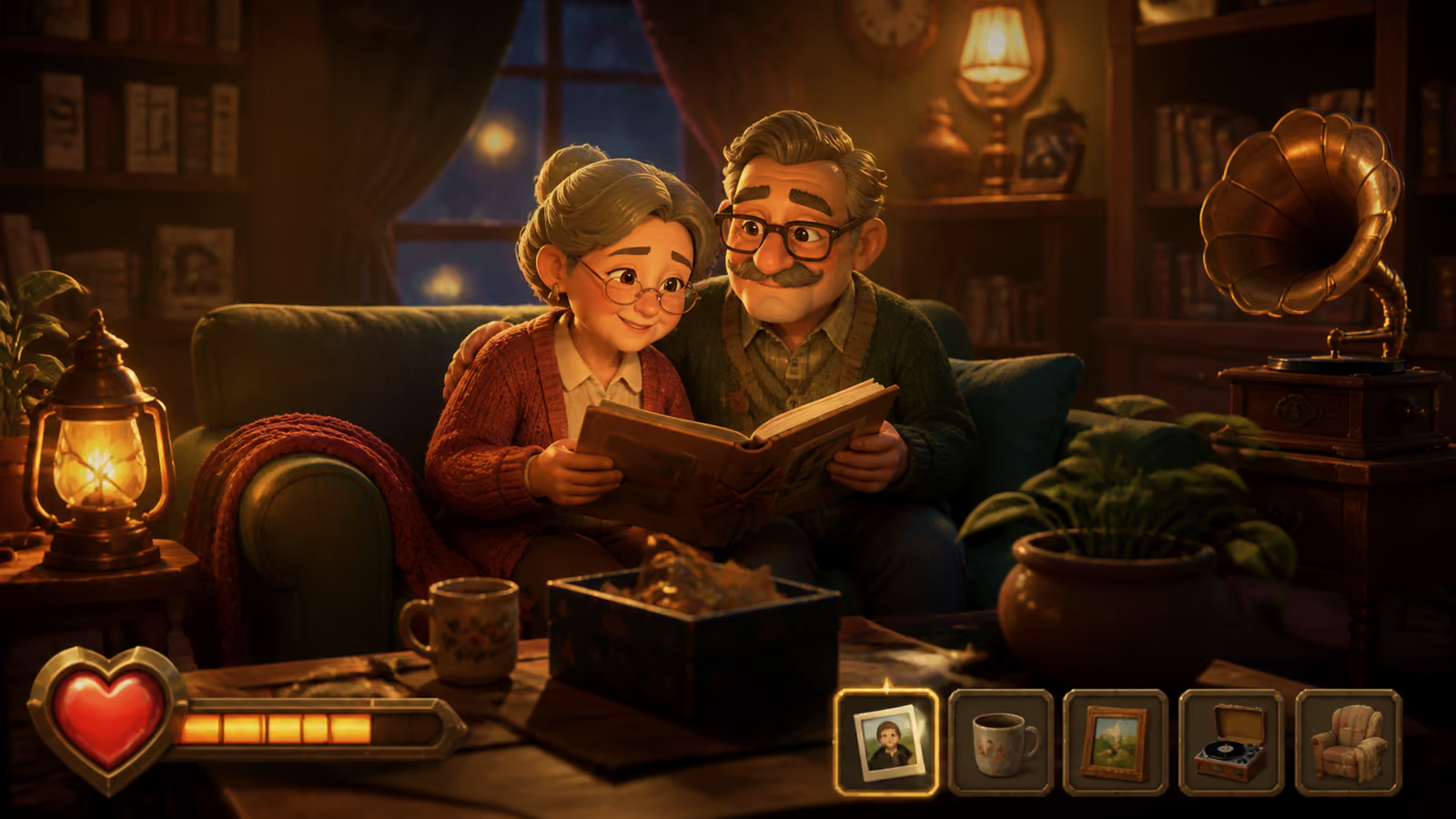
You know more about your parents than anybody buying them a gift, and you almost certainly buy them a plant.
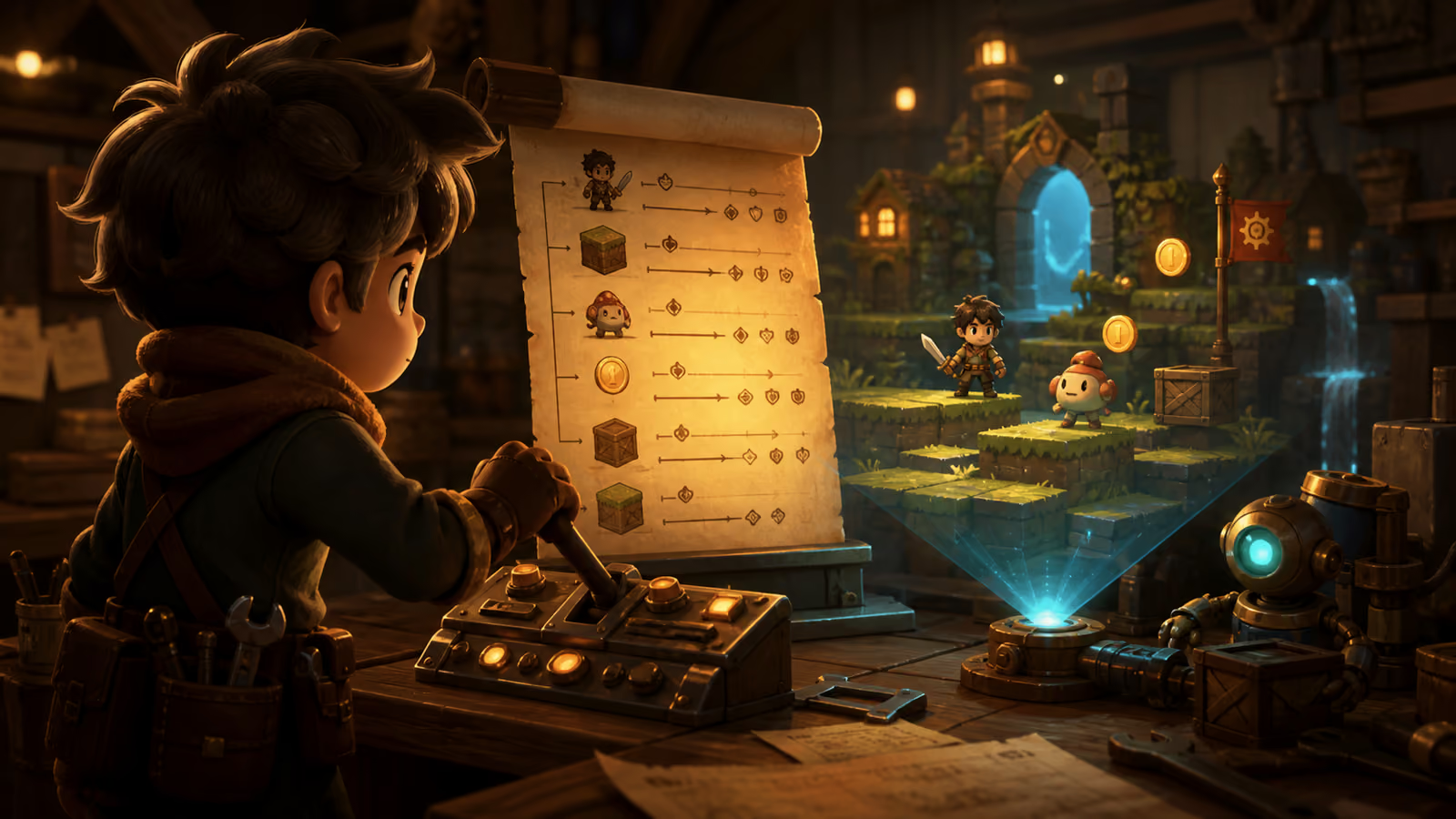
Every commission is the same engine and none of them is the same game. This is how that is true rather than a sales line.
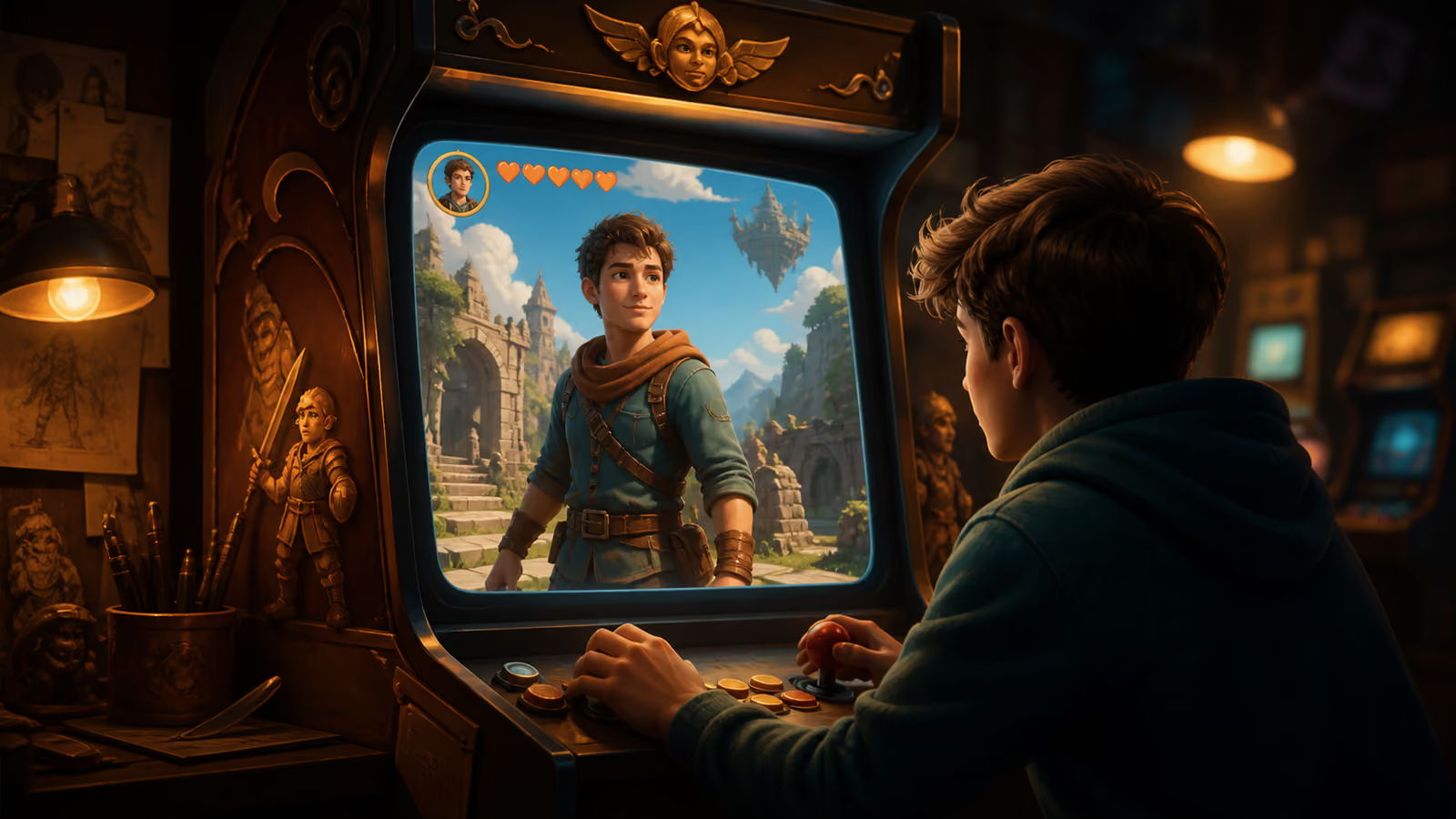
Yes. The interesting questions are about permission and about what a likeness actually is.
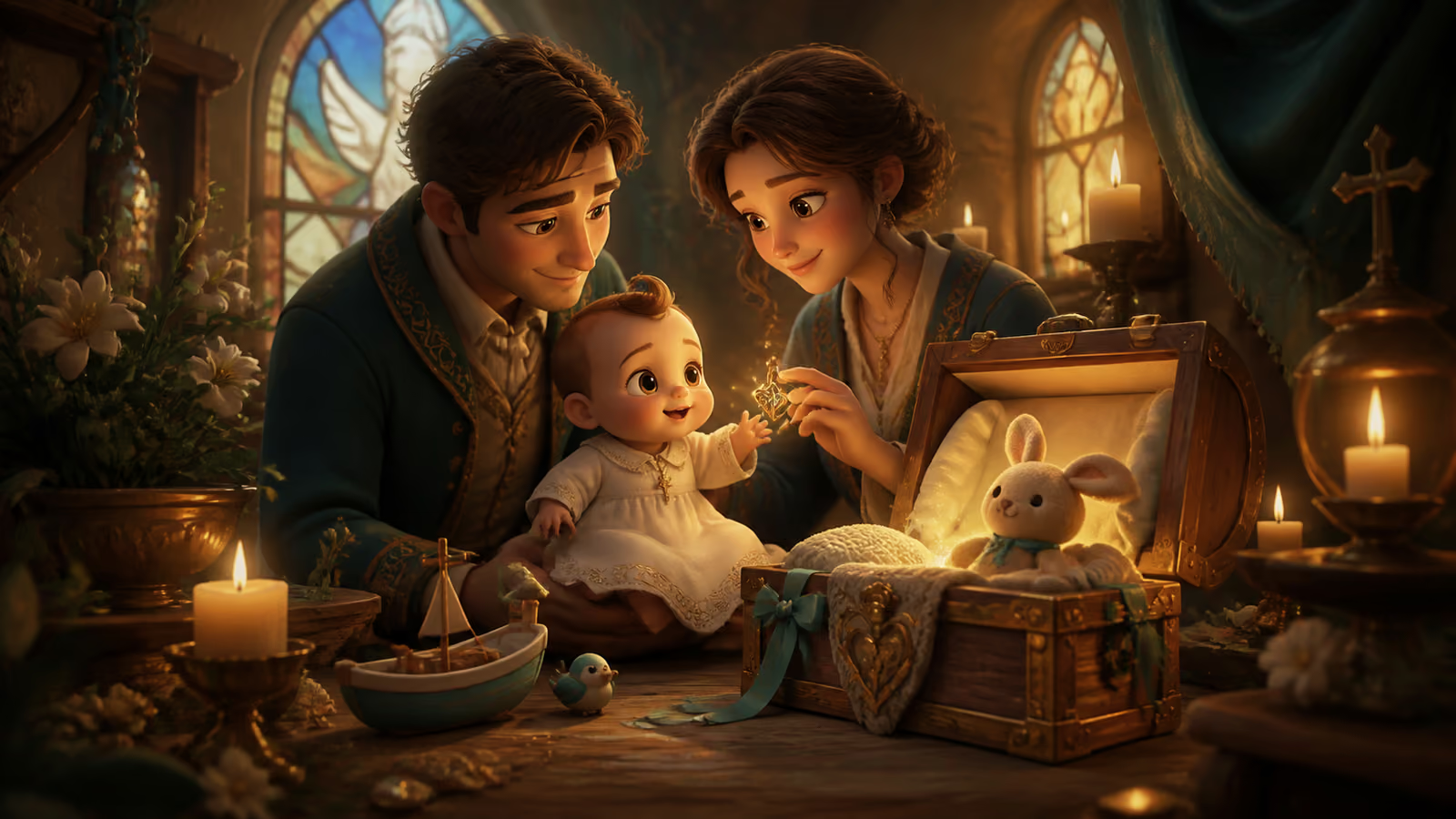
A christening present is a message to somebody who does not exist yet. That is a strange brief and it has a good answer.
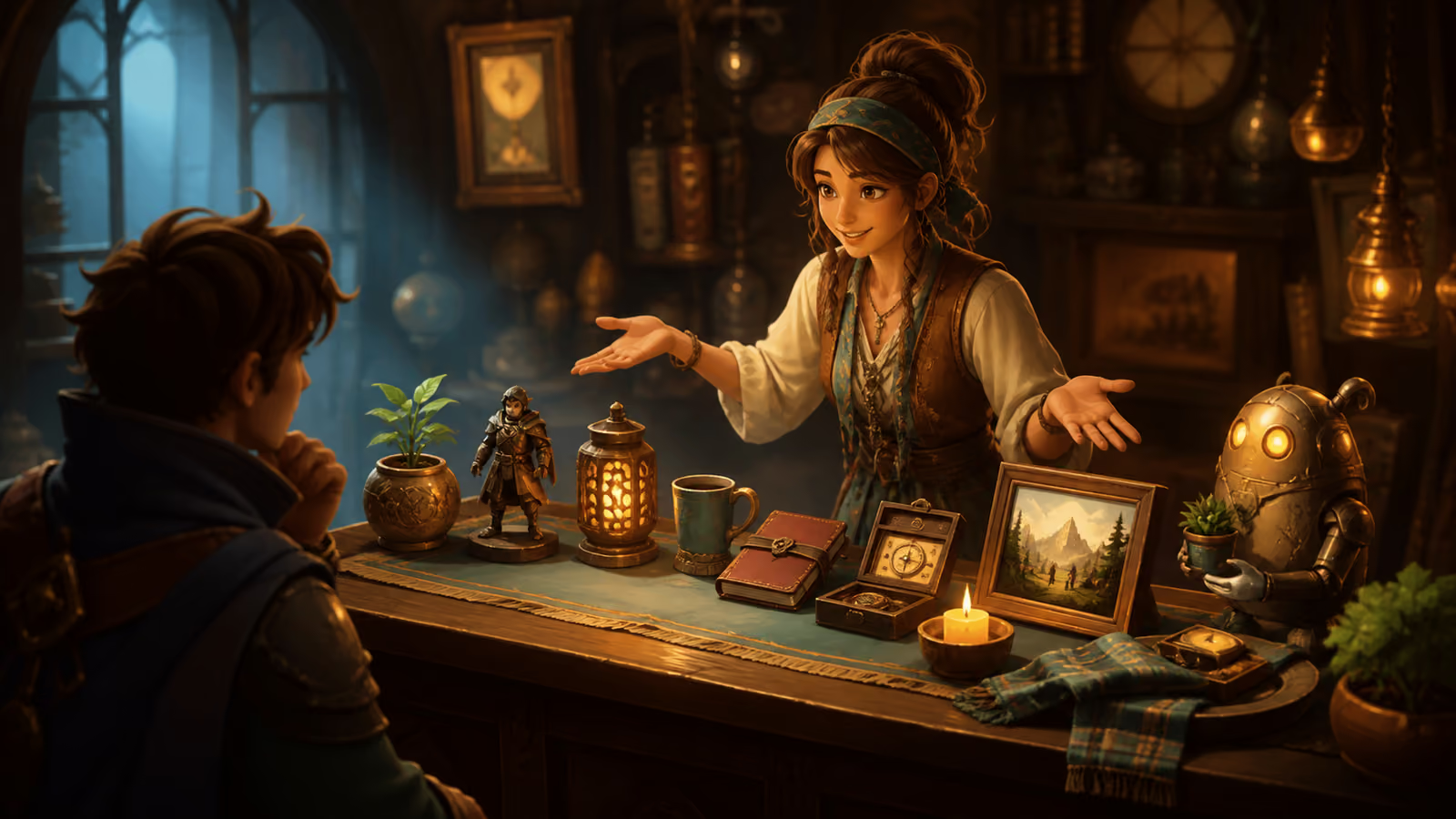
Your client received nine hampers in December. Two of them were from firms they cannot name.
Most company anniversaries are celebrated at the people who were there. Everybody else is watching a slideshow about strangers.
Every stand at the show has a screen, a bowl of sweets and three people standing awkwardly. Two seconds to be different.
A book is read to somebody. A game is played by them. That difference decides most of it.
Employee of the month is a scheme. Being told exactly what you did well, by name, is recognition.
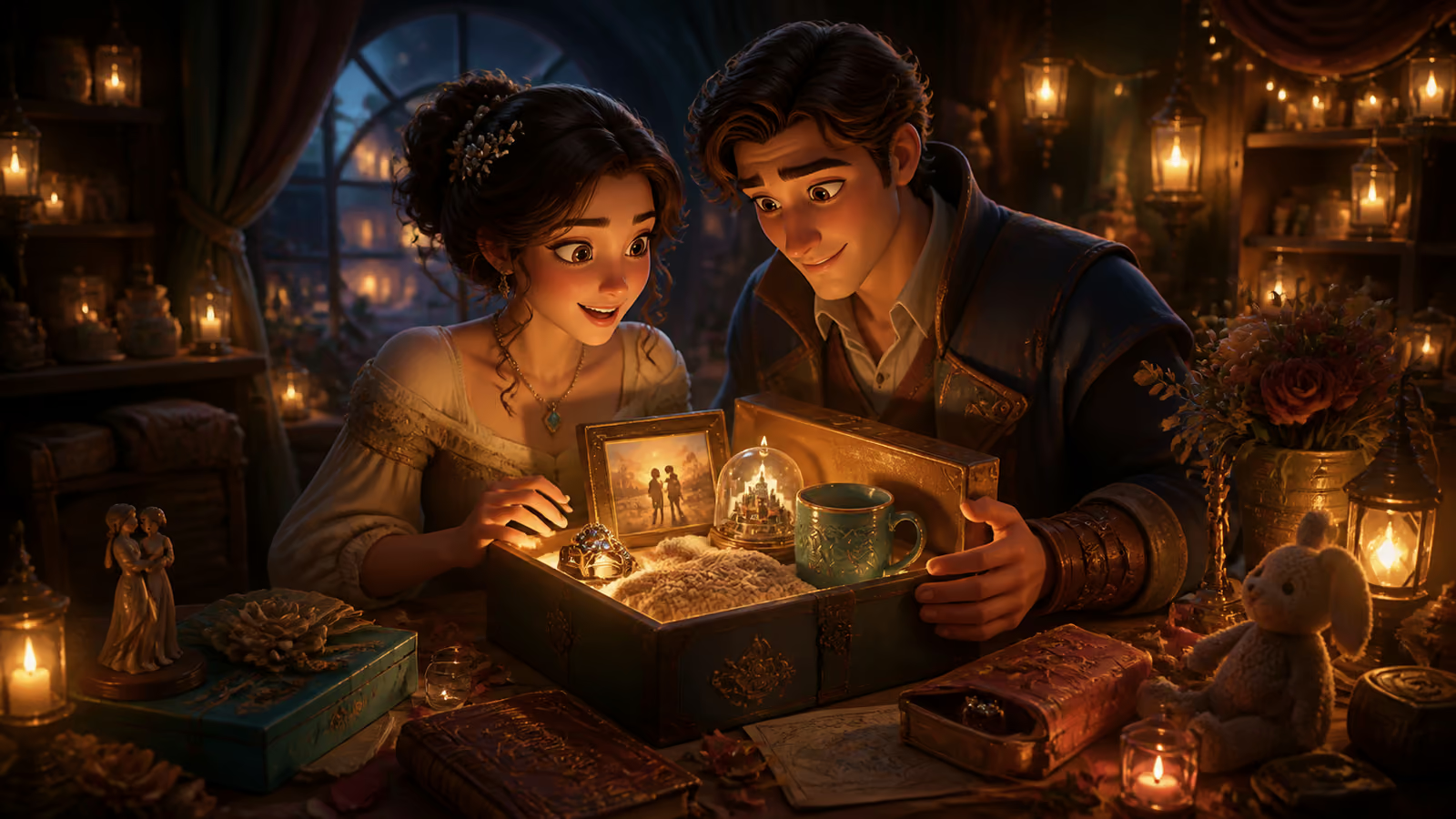
The whole difficulty of an engagement gift is that it arrives before anybody has decided anything.
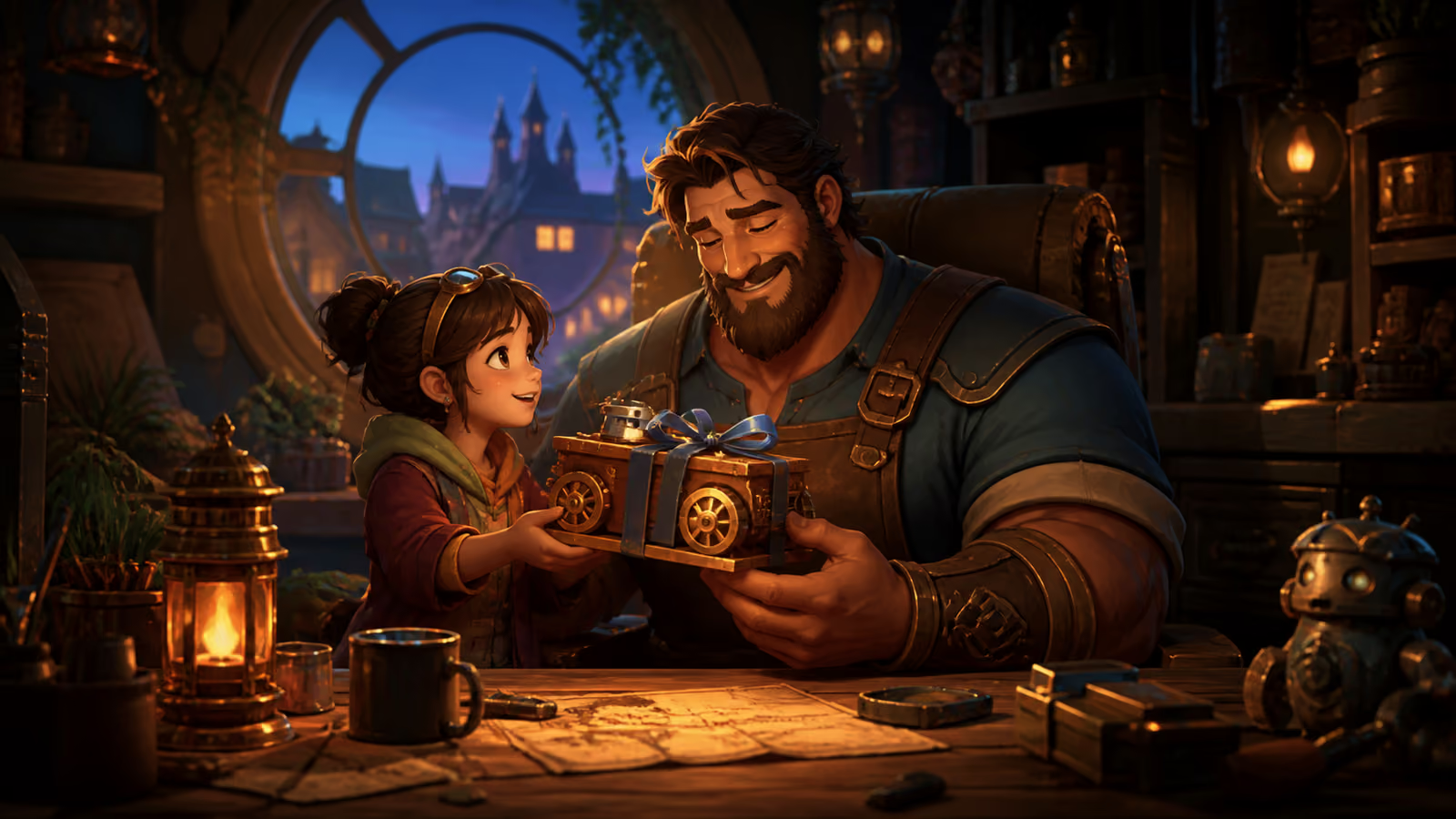
Father's Day has almost no gift tradition, which is why the shops are full of novelty mugs.
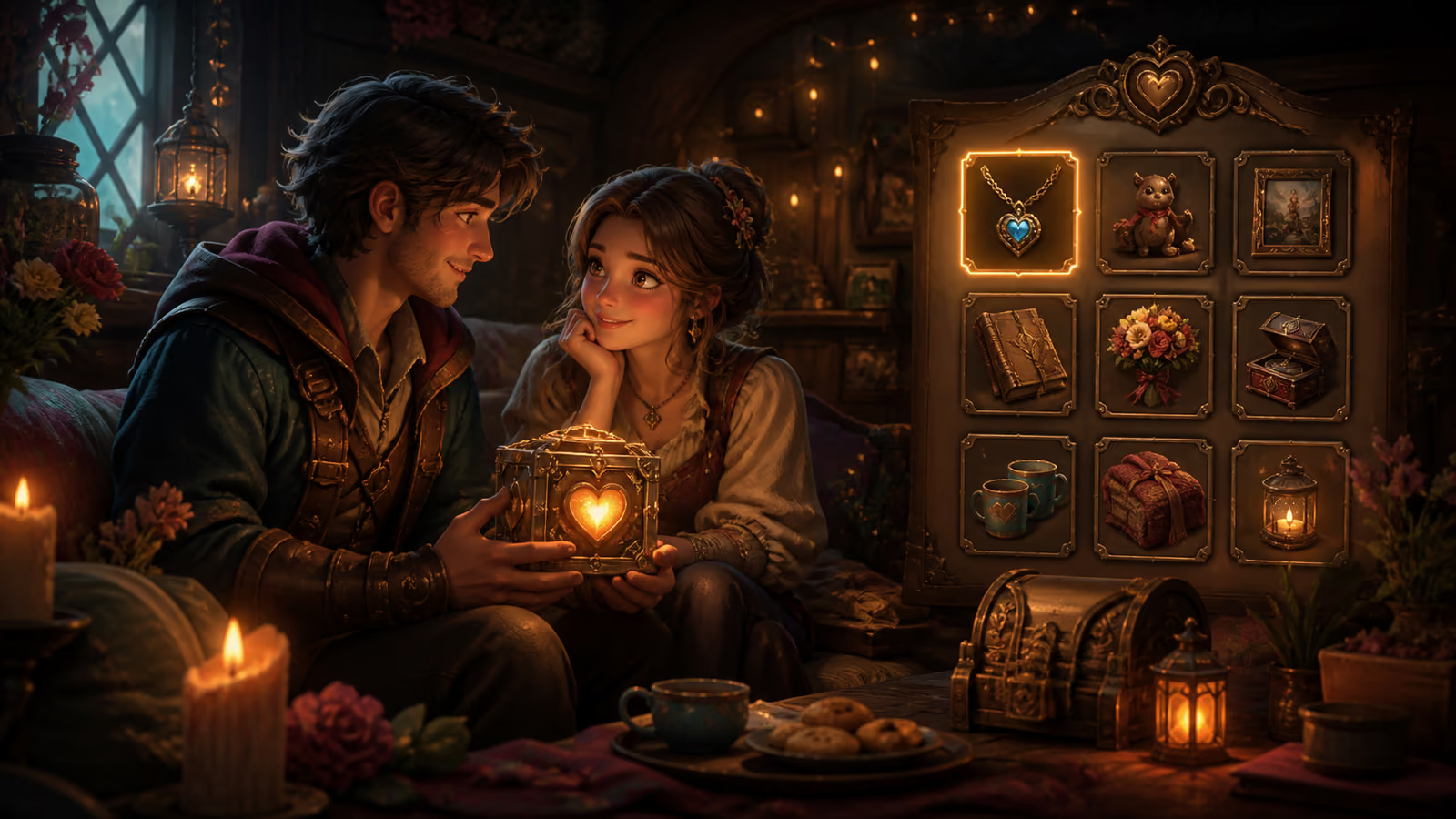
Paper sounds like a thin tradition. It is the one that produces the things couples still have at their fortieth.
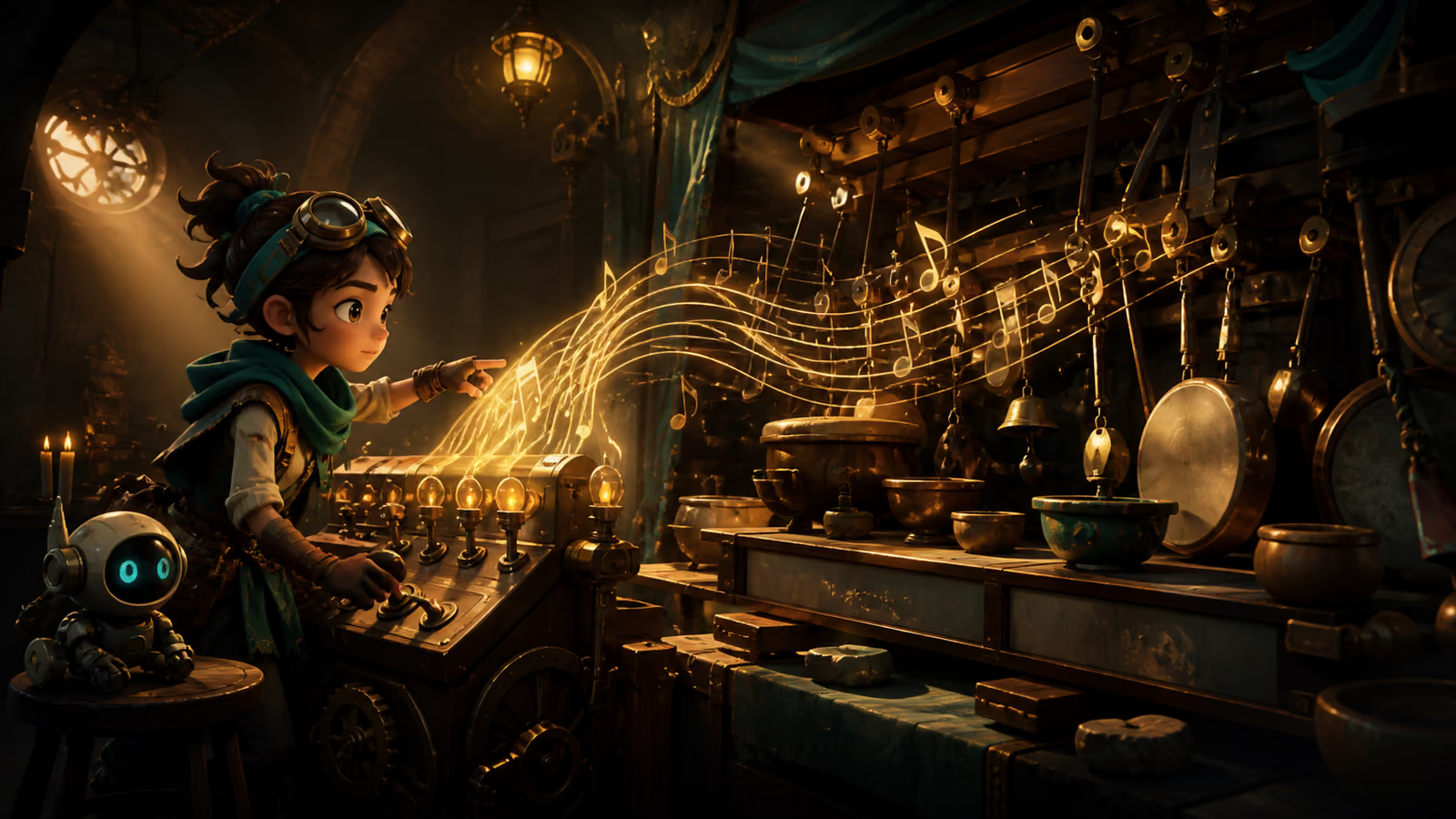
A tape screech, a sword clang, thunder rolling. No audio files involved in any of them.
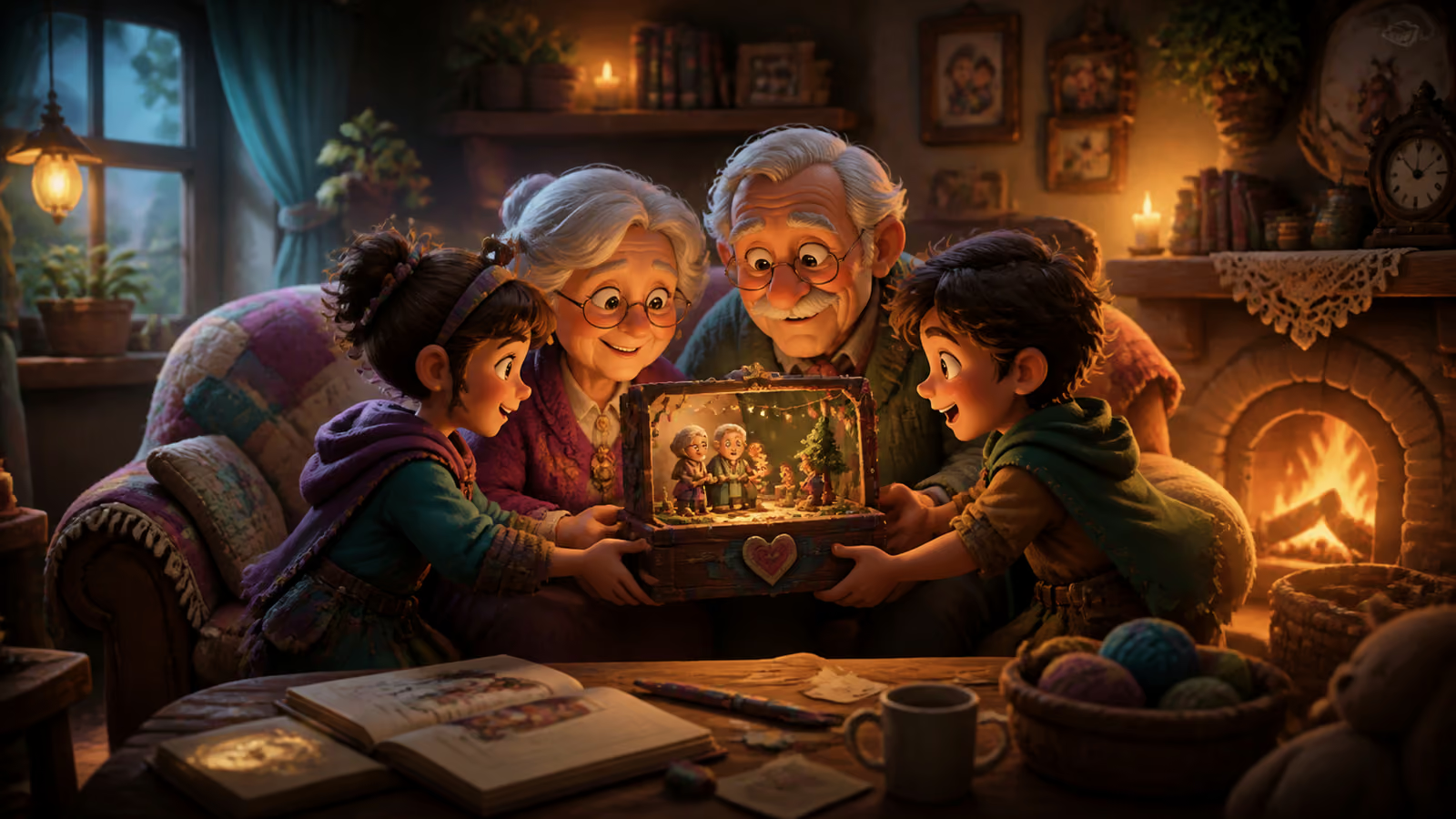
Grandparents keep an astonishing amount. The question is what is worth them keeping.
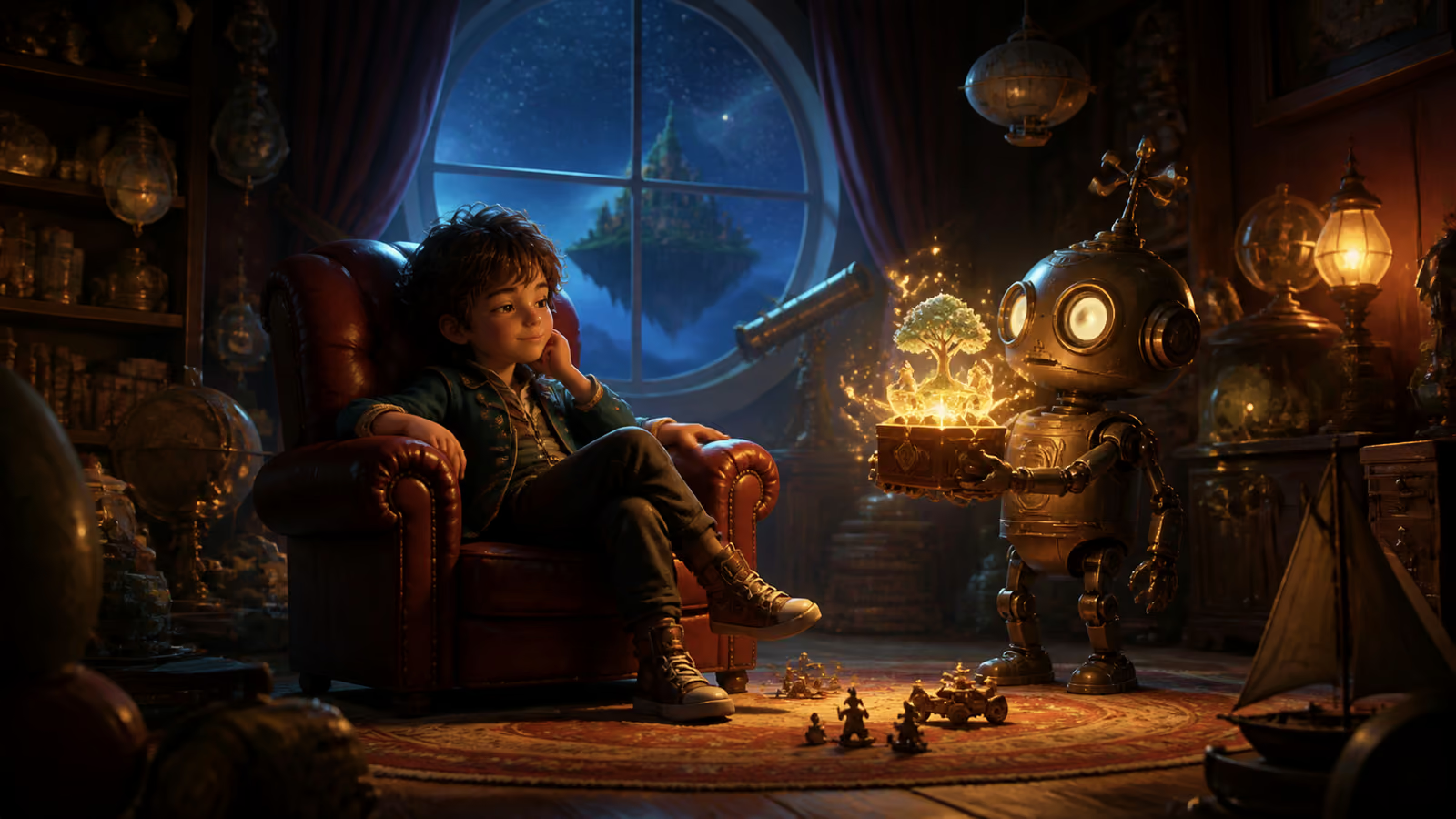
The toy cupboard is full and everything in it was wanted at the time. That is the whole problem.
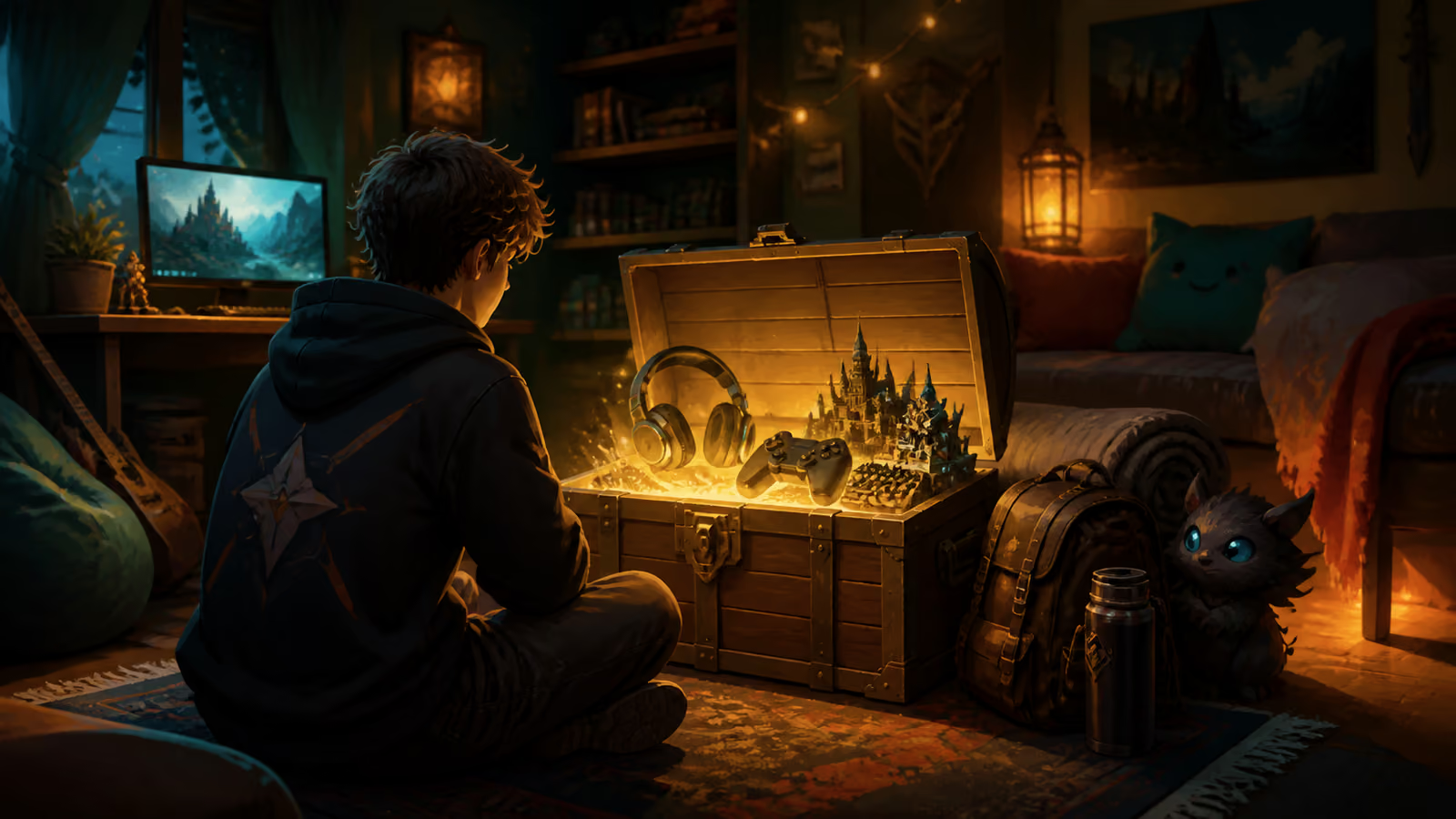
Gaming is an interest with depth to it. The gift problem is not the hobby, it is not knowing anything about it.
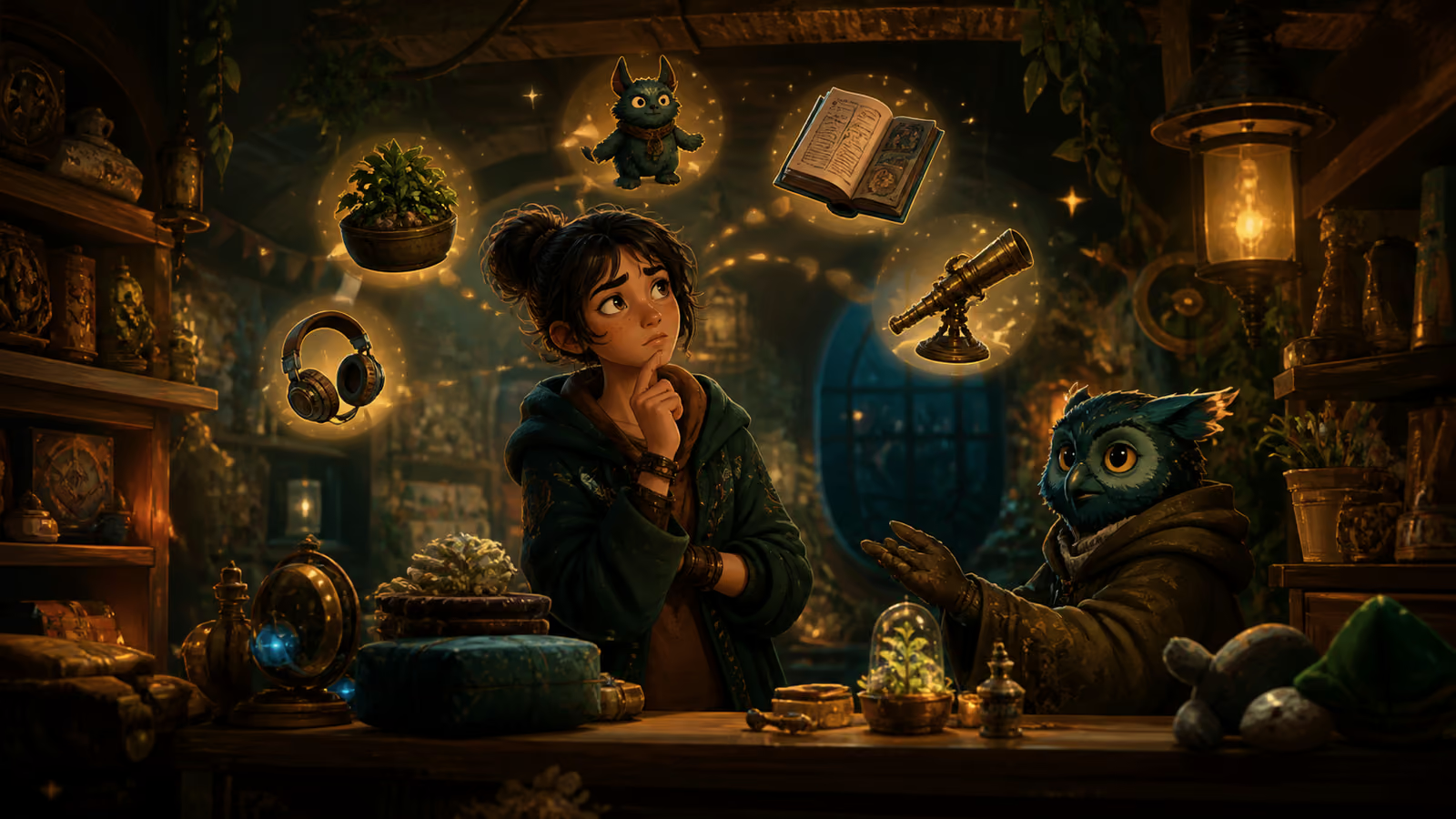
Hard to buy for is not one problem. It is four, and they have different answers.
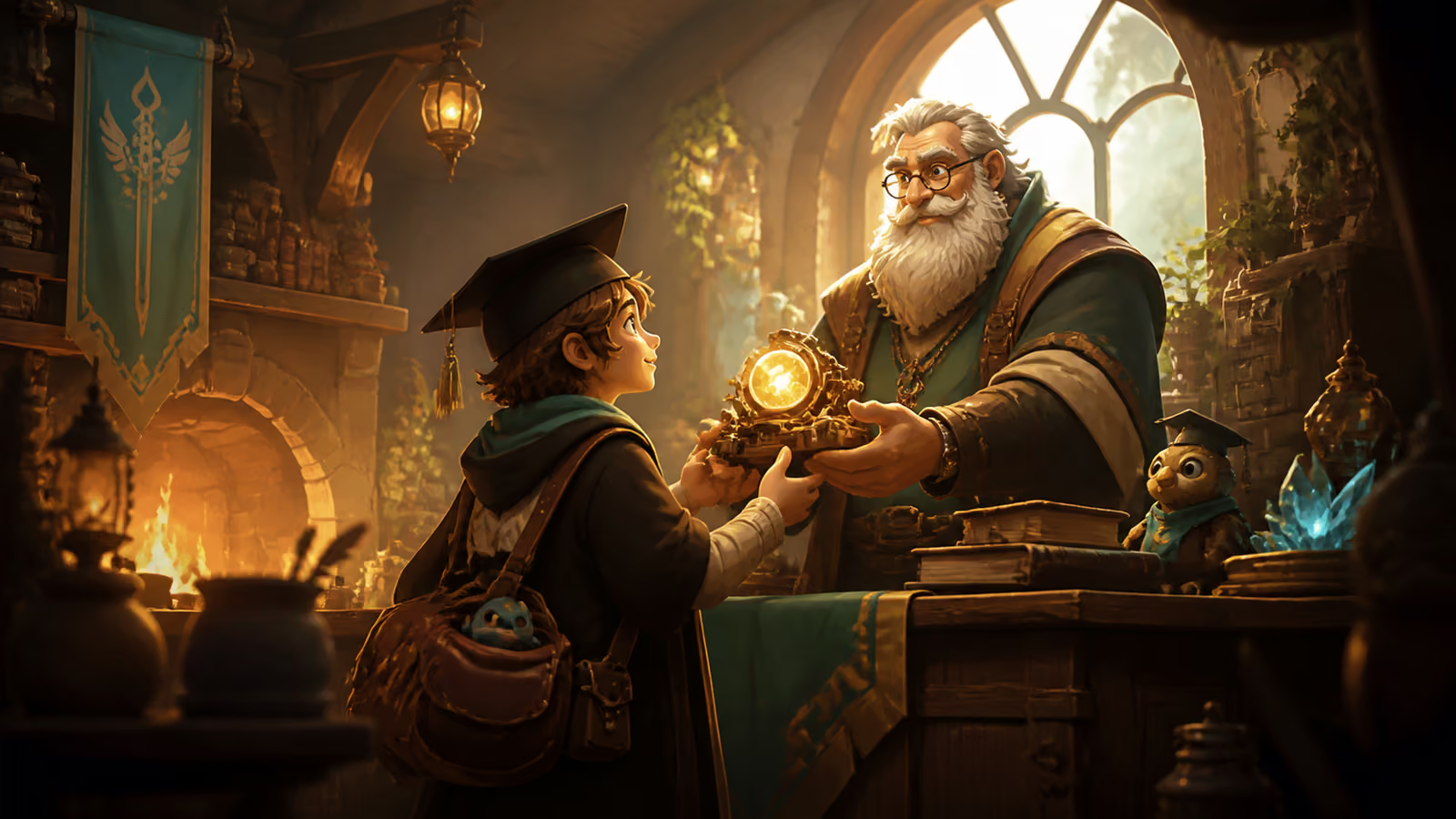
A graduation present has to survive six house moves. That eliminates most of the list.
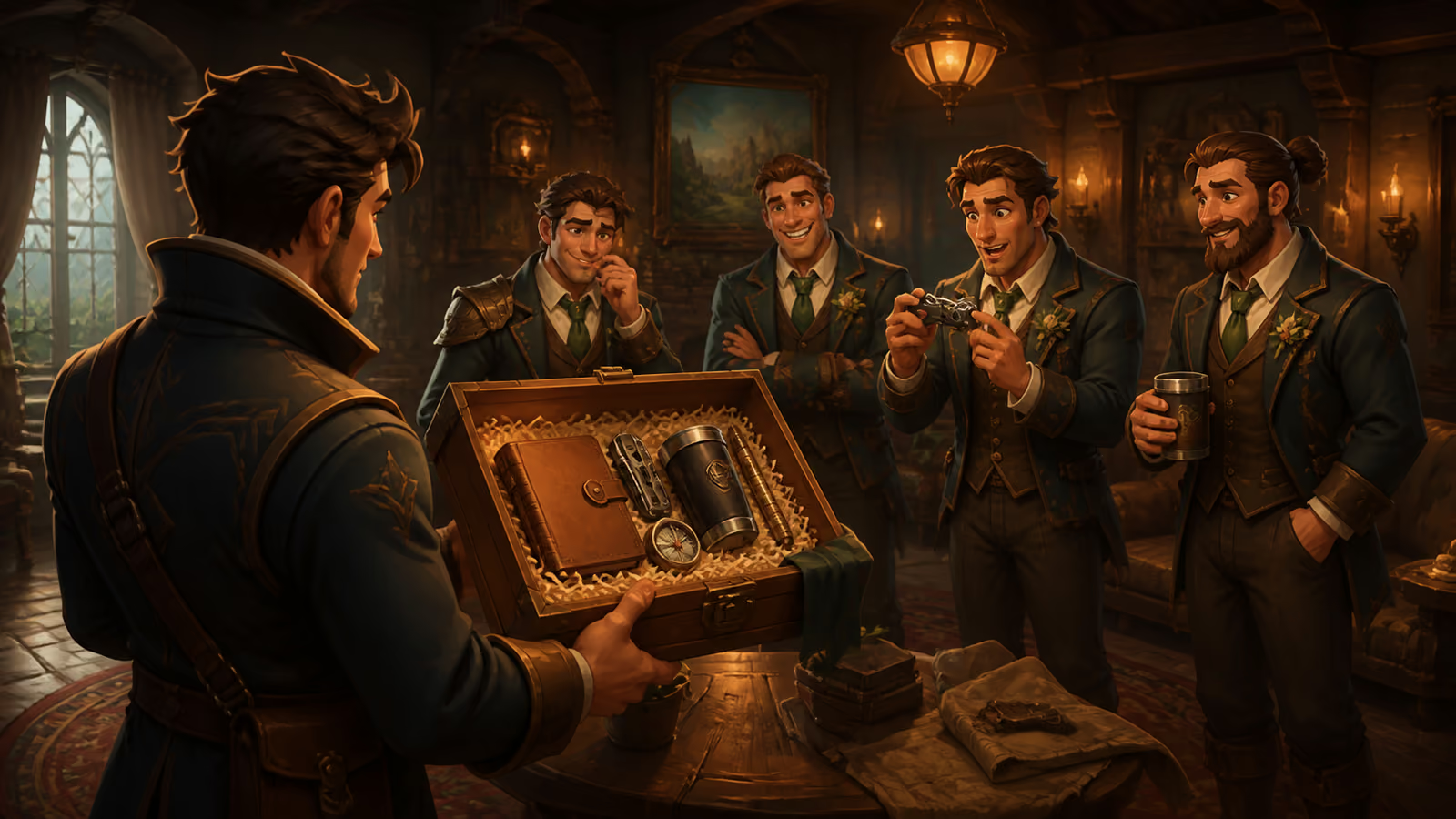
Every groomsman over thirty owns three engraved hip flasks and has used none of them.
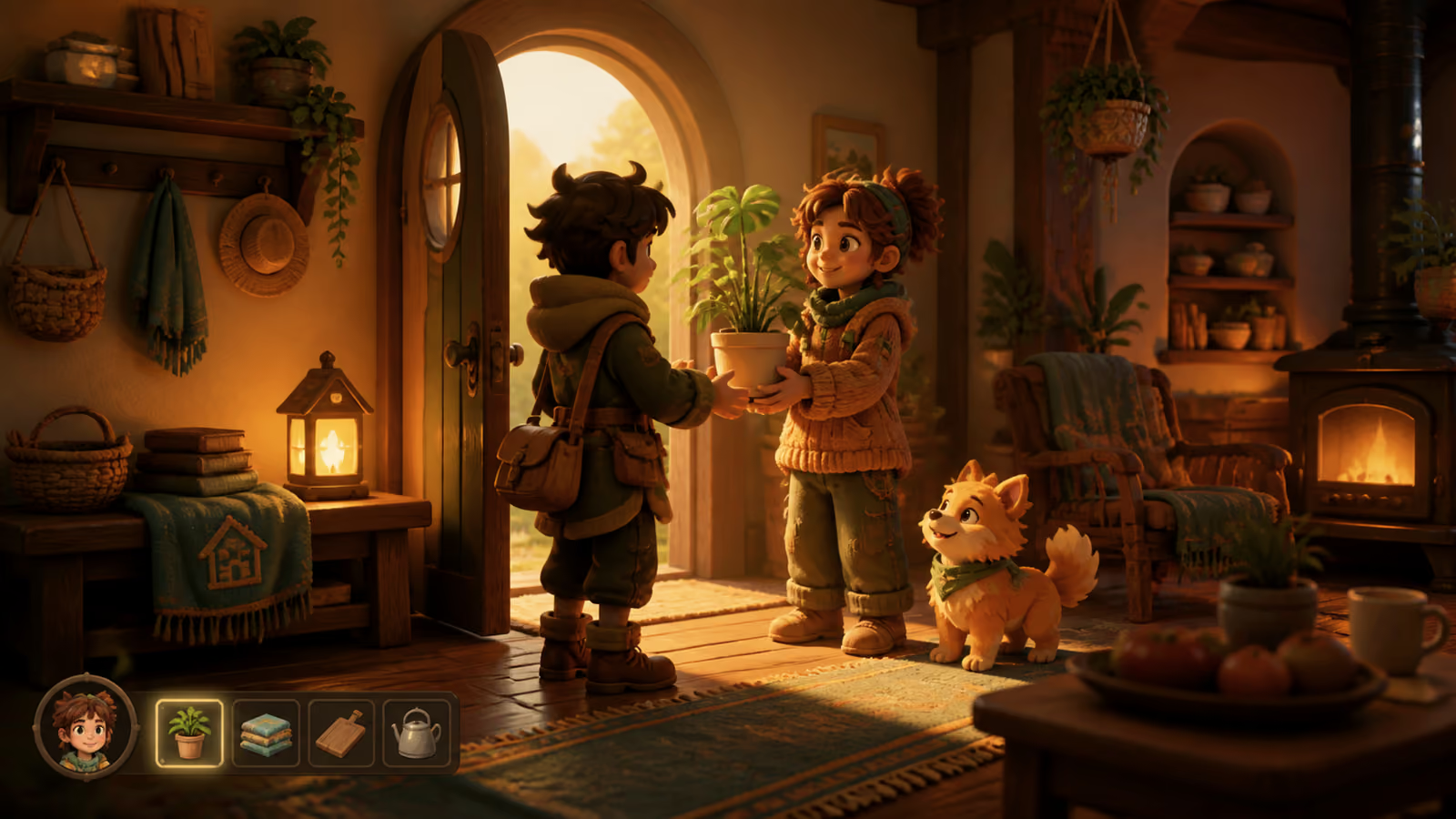
You are buying decoration for a room nobody has decided about yet. That is a difficult brief.
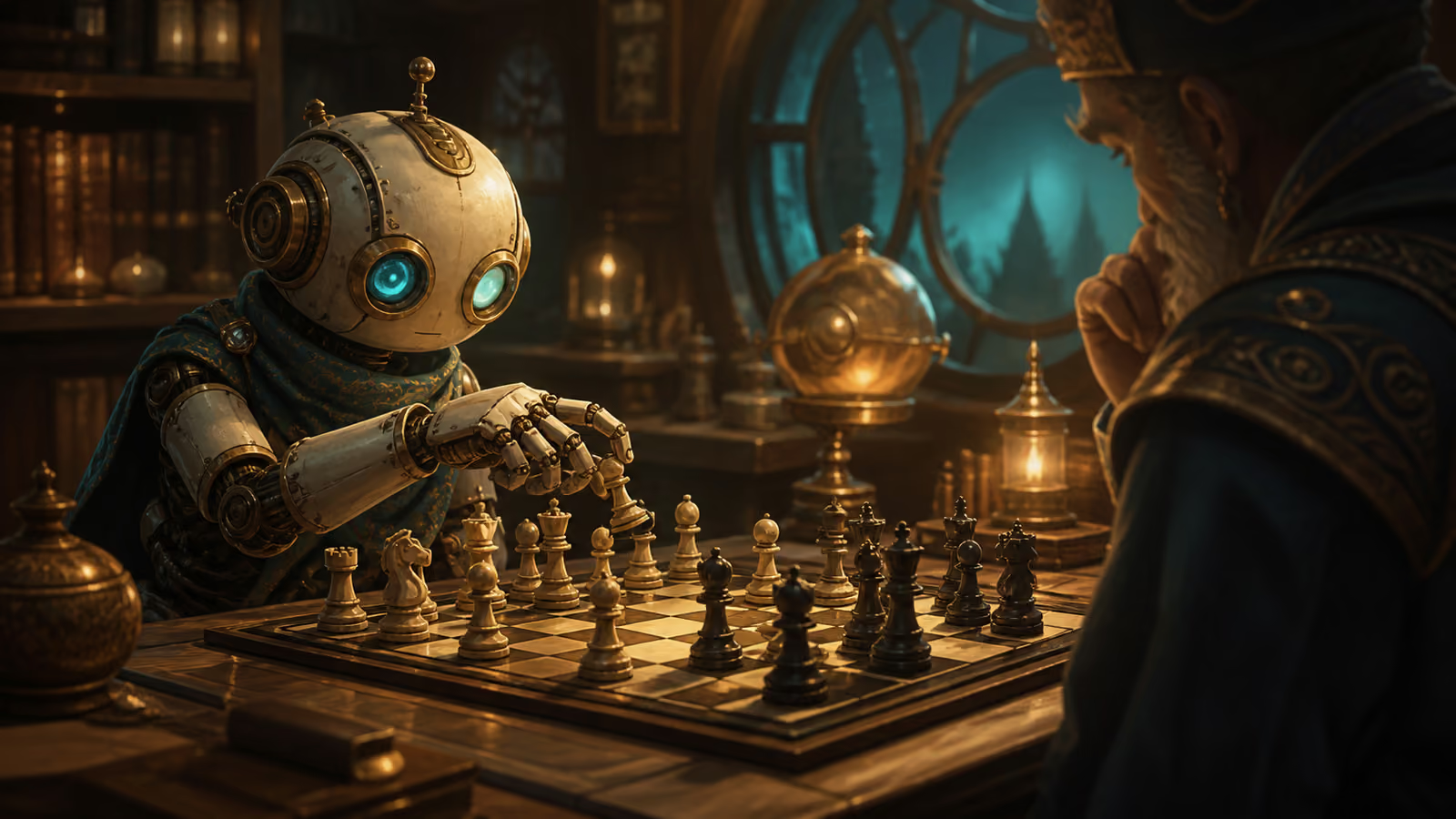
Four difficulty levels, one engine. The hardest problem was not making it strong, it was making it lose convincingly.
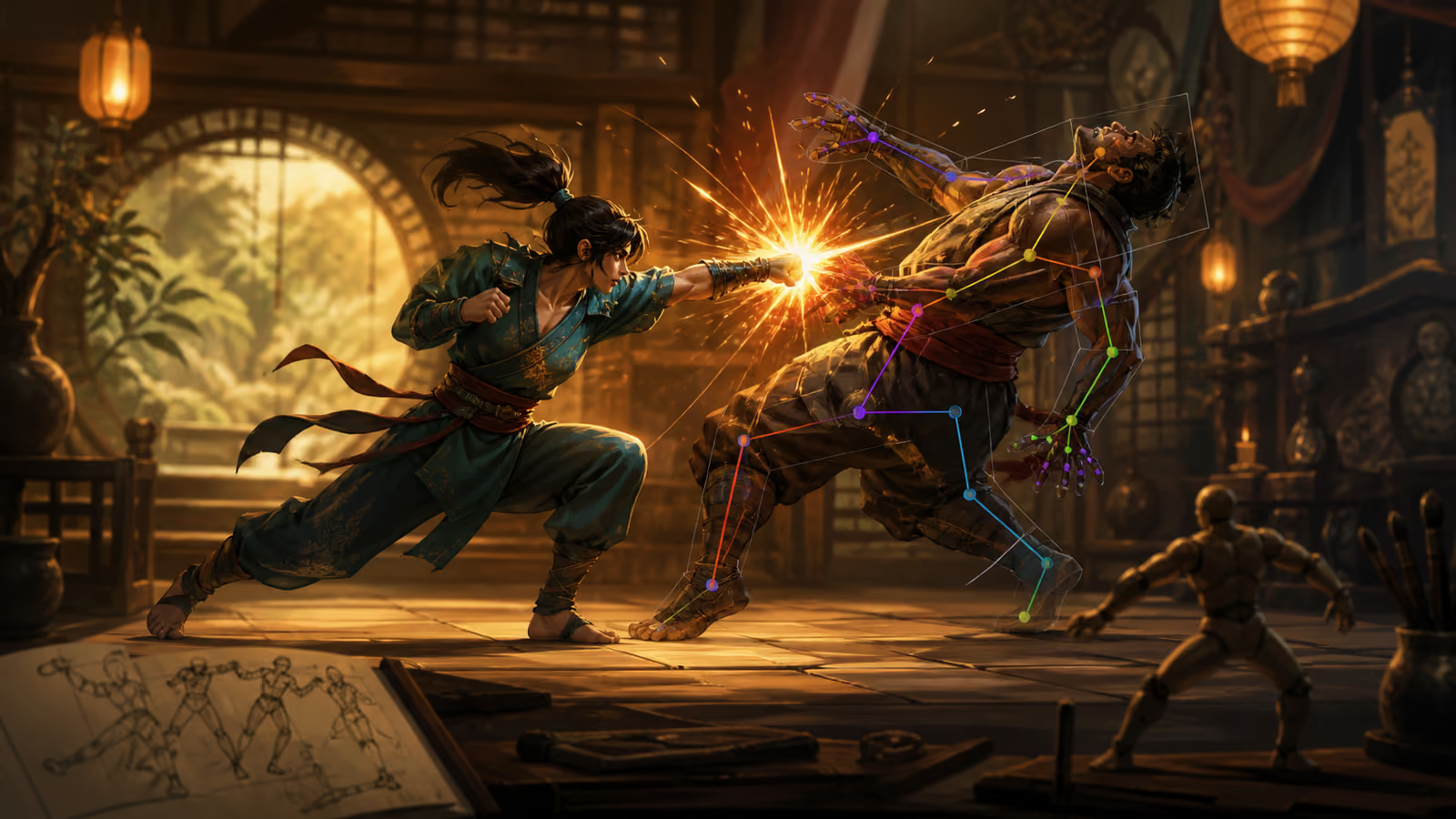
Nothing in a game actually collides. An impact is four cheap effects fired in the right order.
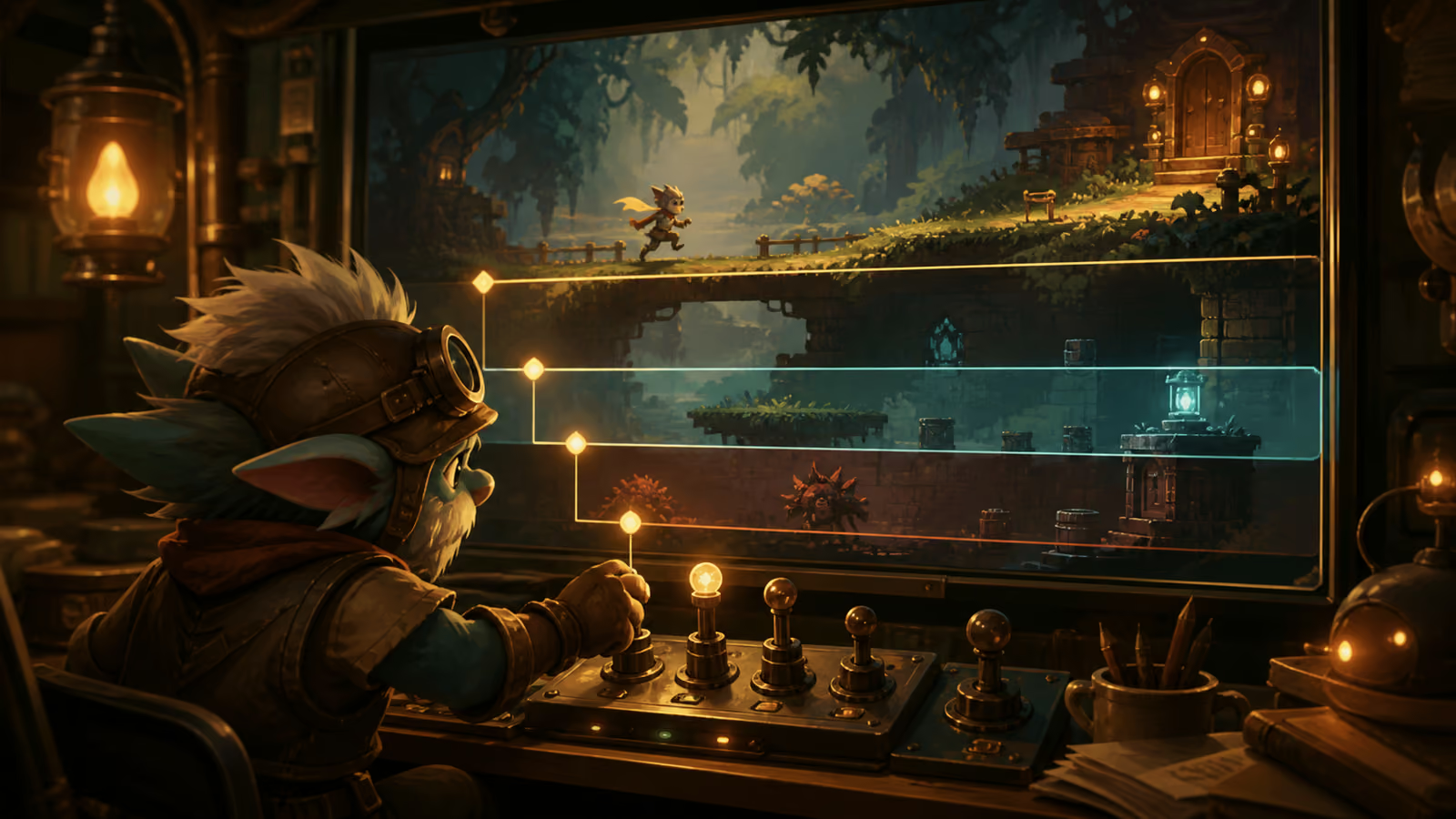
There is no scene. There is a list of drawing instructions, run back to front, sixty times a second.
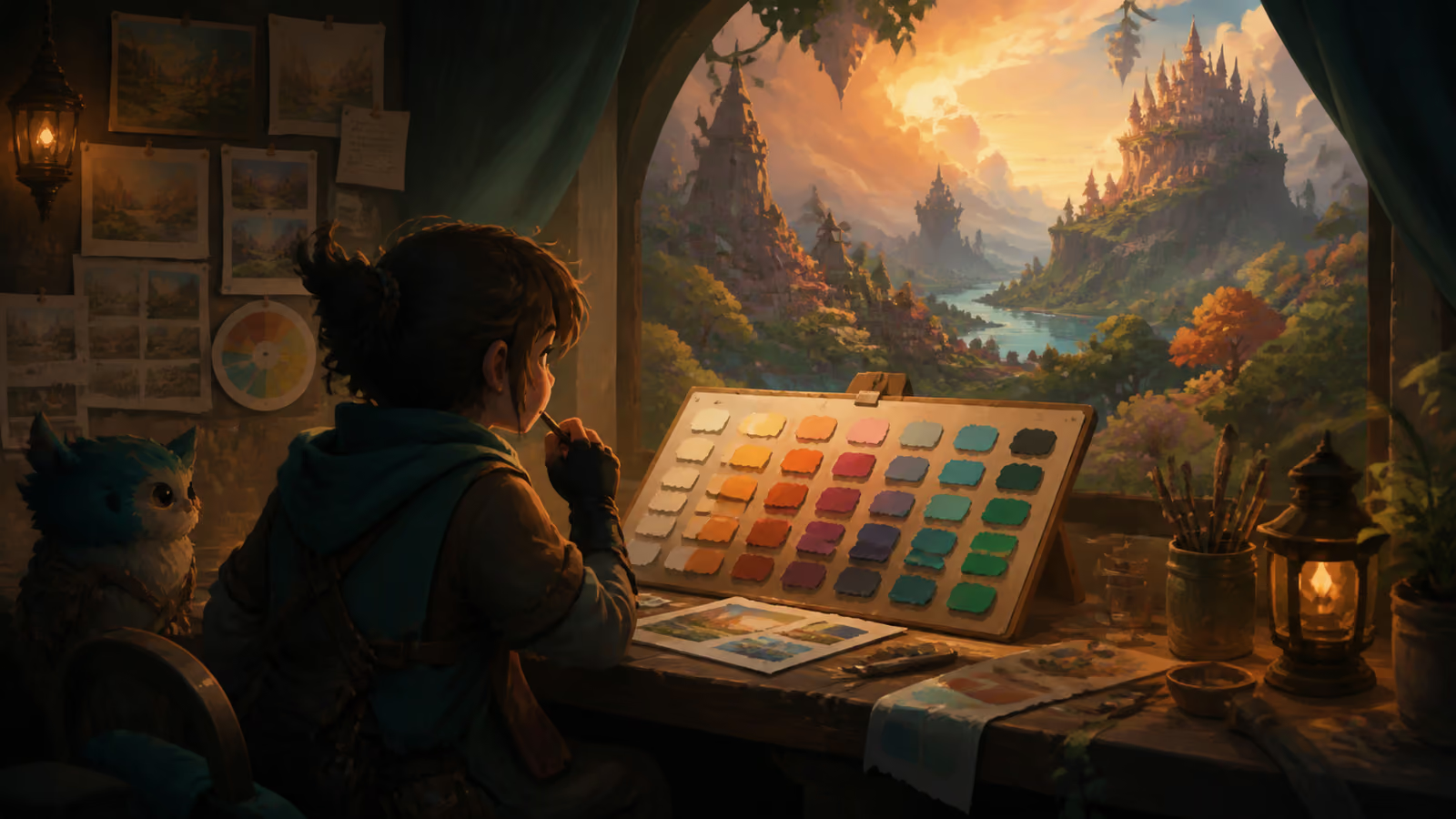
A small palette is not a limitation left over from old hardware. It is what stops a player losing the character.
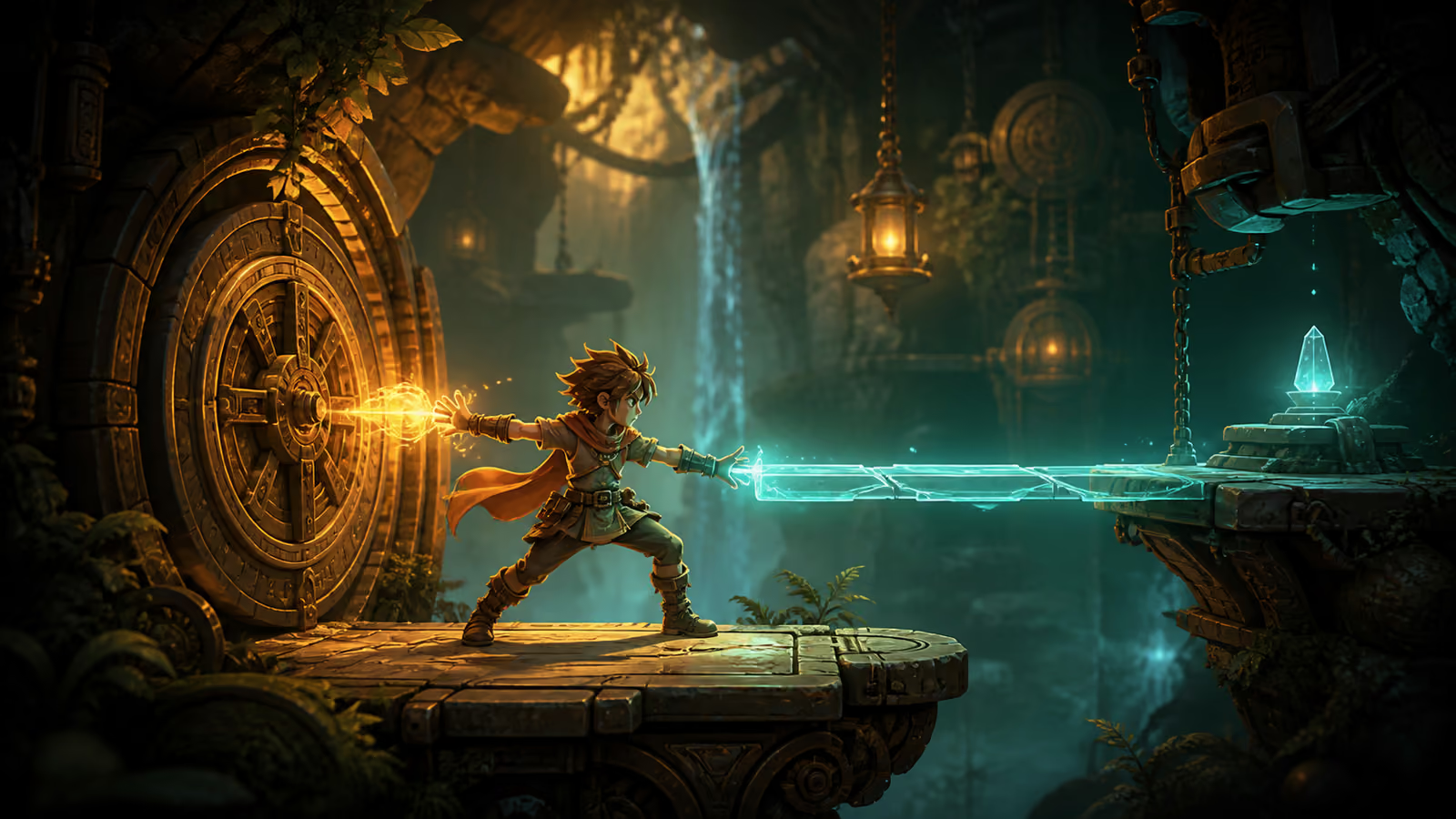
A game does not respond to a key being pressed. It asks, every frame, which keys are currently down. The difference is everything.
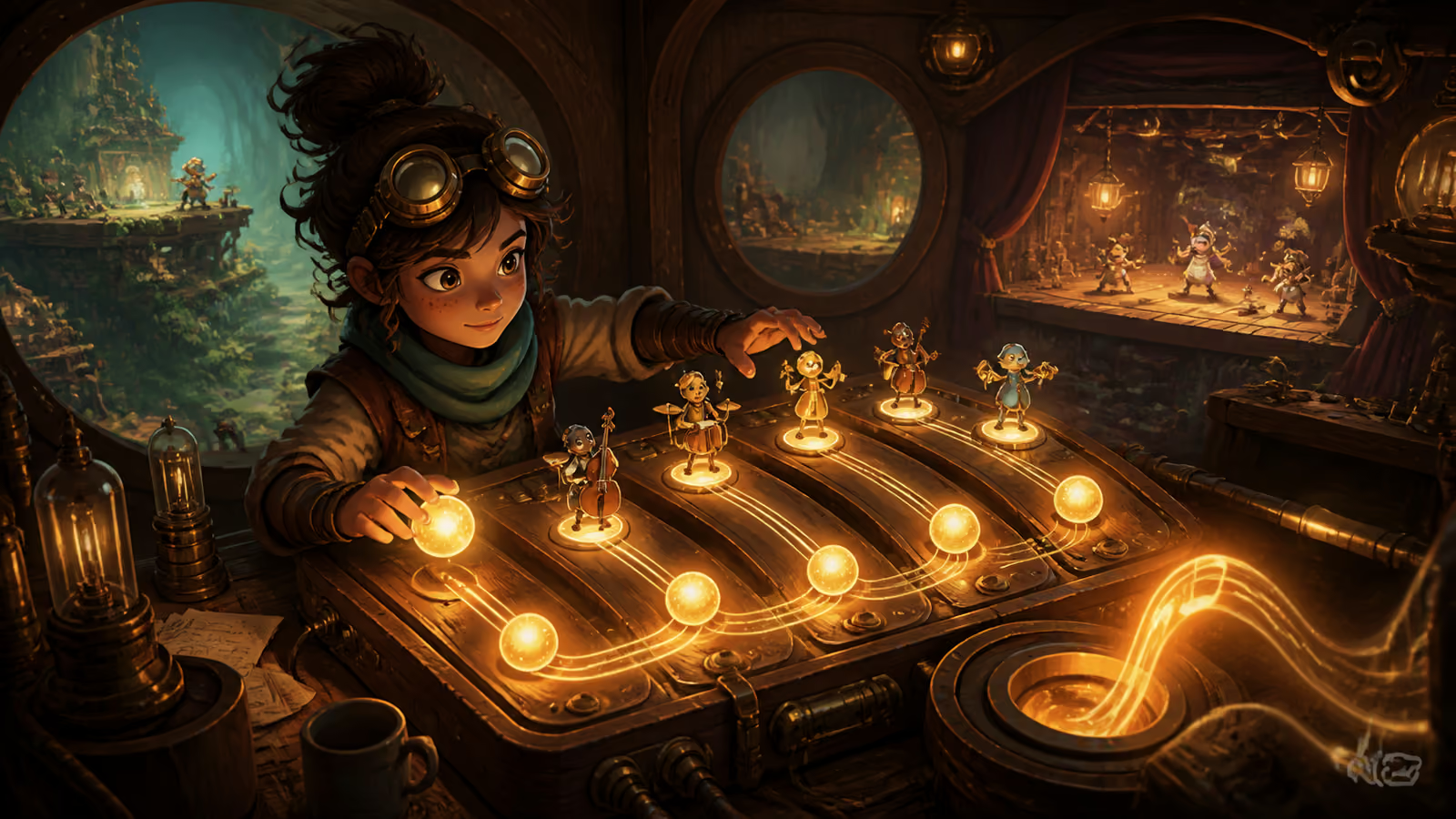
Every sound in our games passes through a single gain set to about a third. Everything else is decided against that.
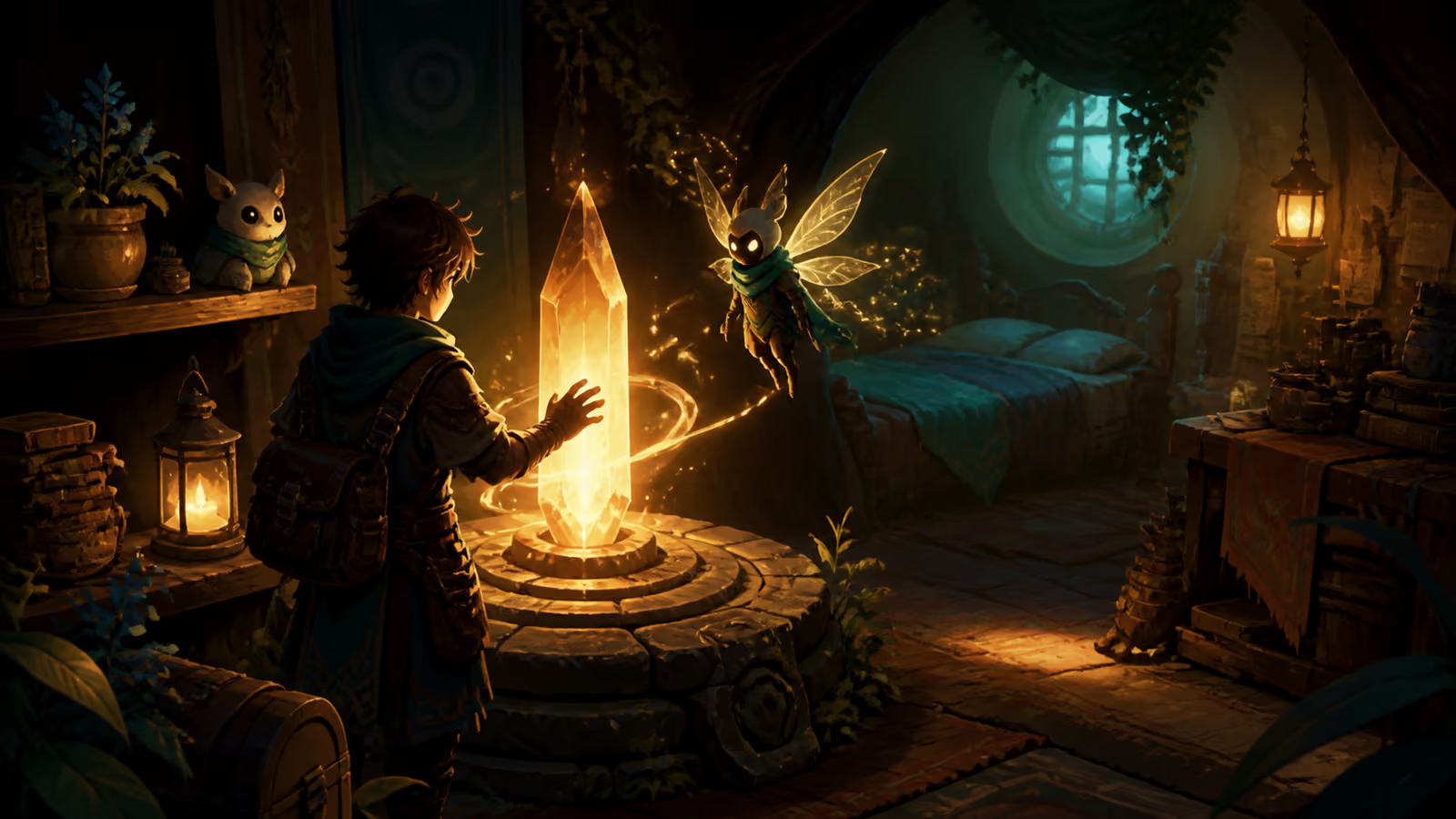
Our adventure game saves in one line. Deciding what belongs in that line took considerably longer.
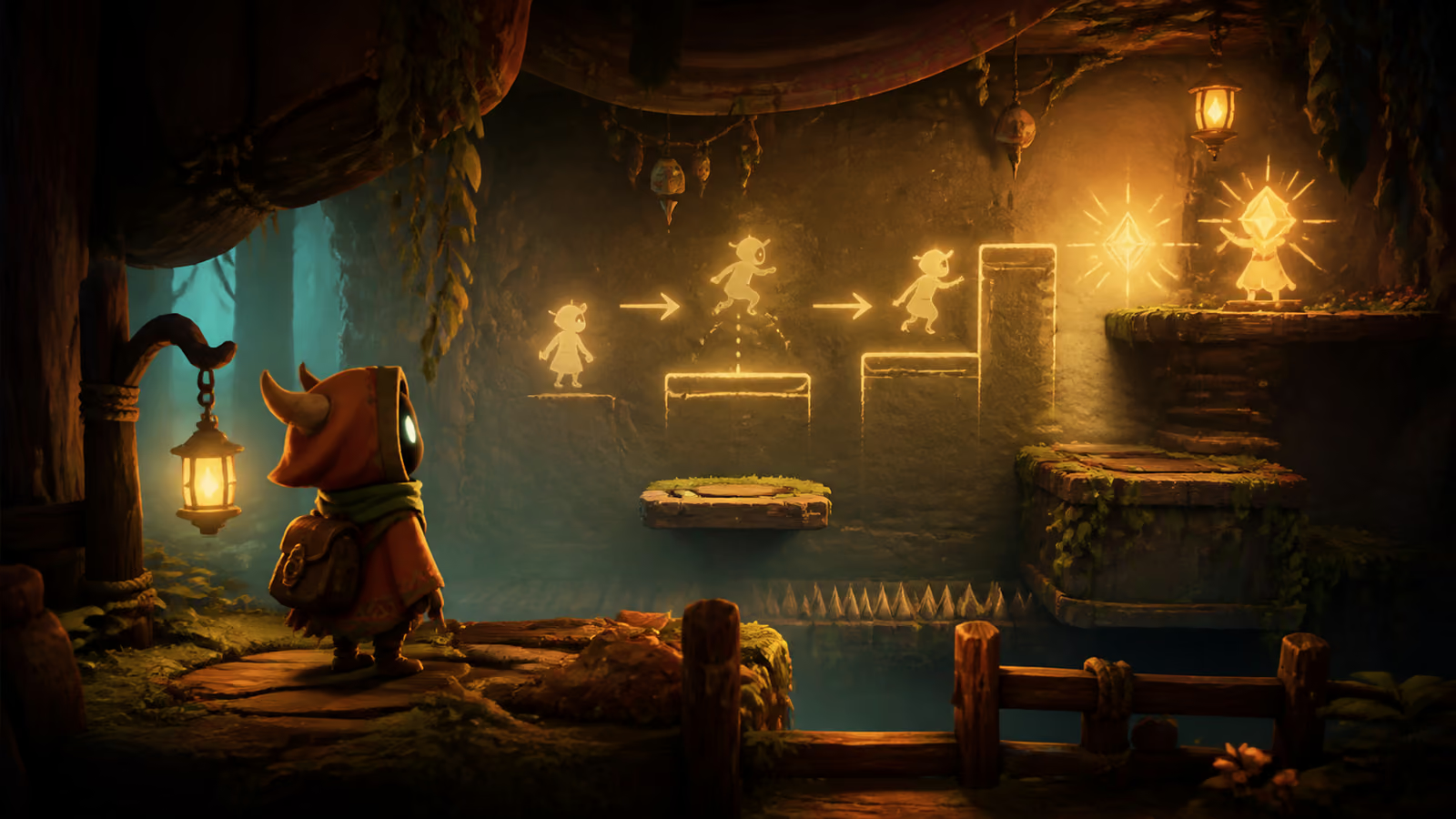
If a game needs a page of instructions, the first level is wrong.
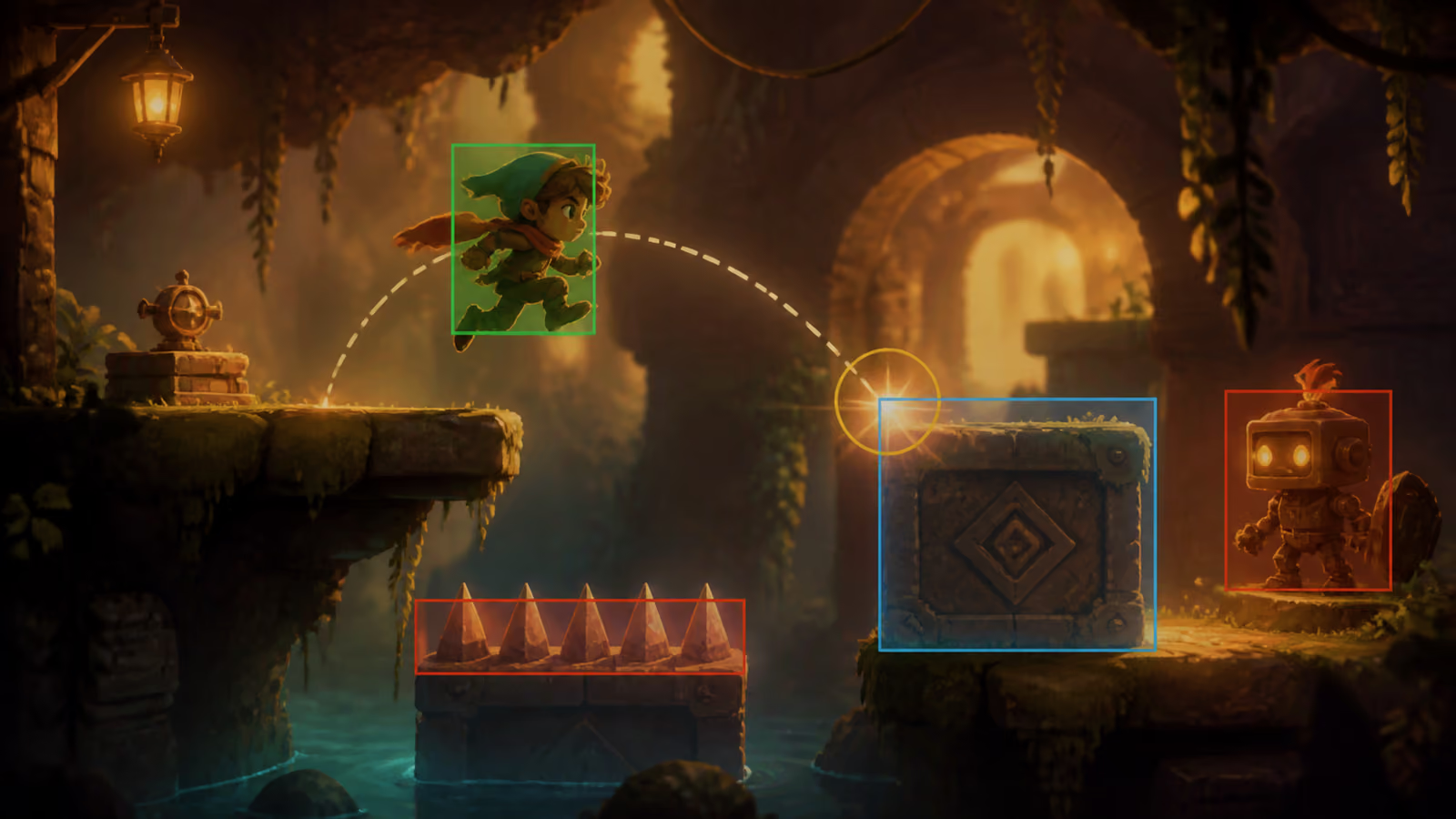
Two rectangles overlapping is the easy part. Deciding what to do about it is where platformers go wrong.
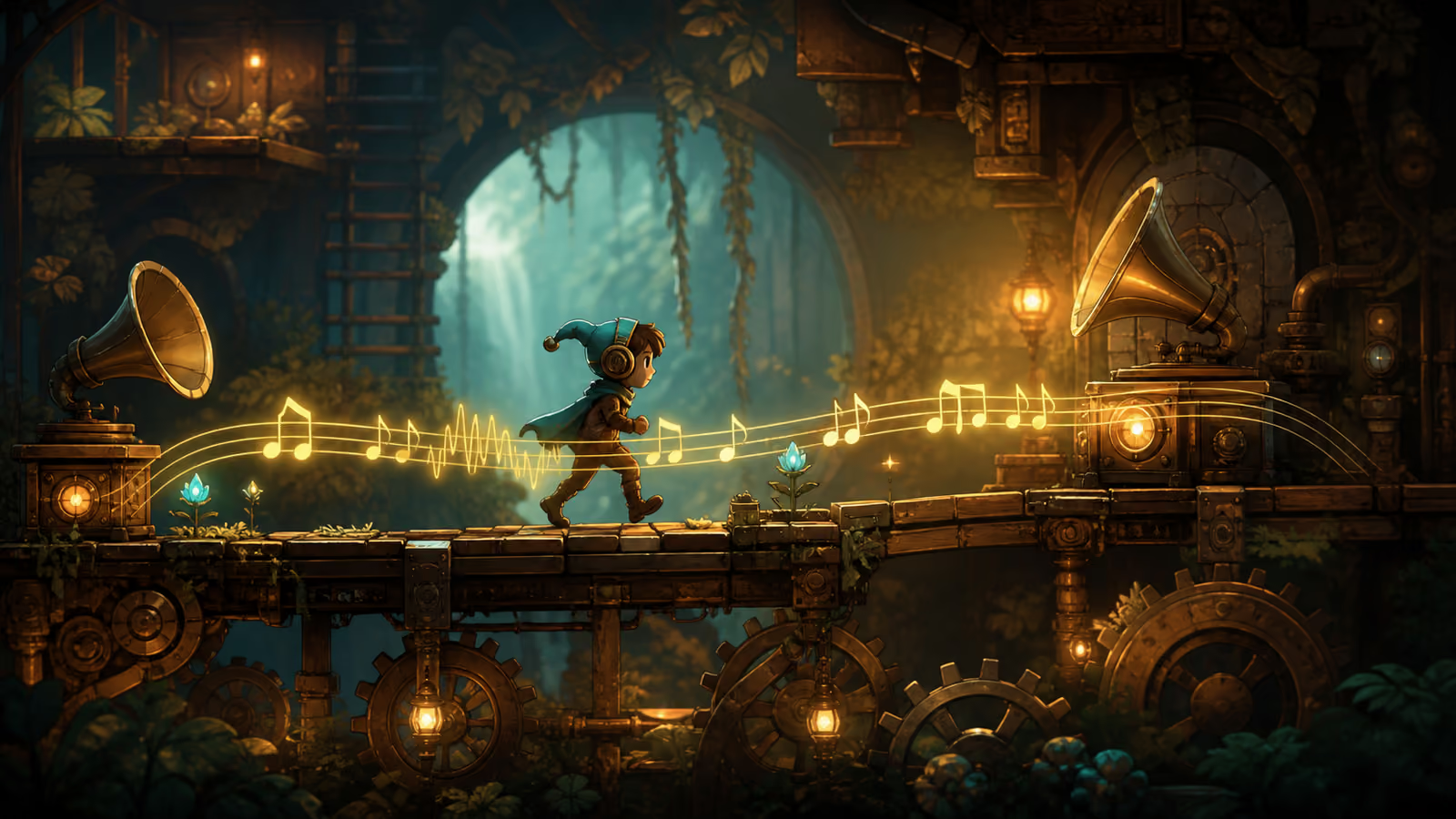
Happy Birthday, in our 60th birthday game, is twenty-five pairs of numbers. Not one byte of it is audio.
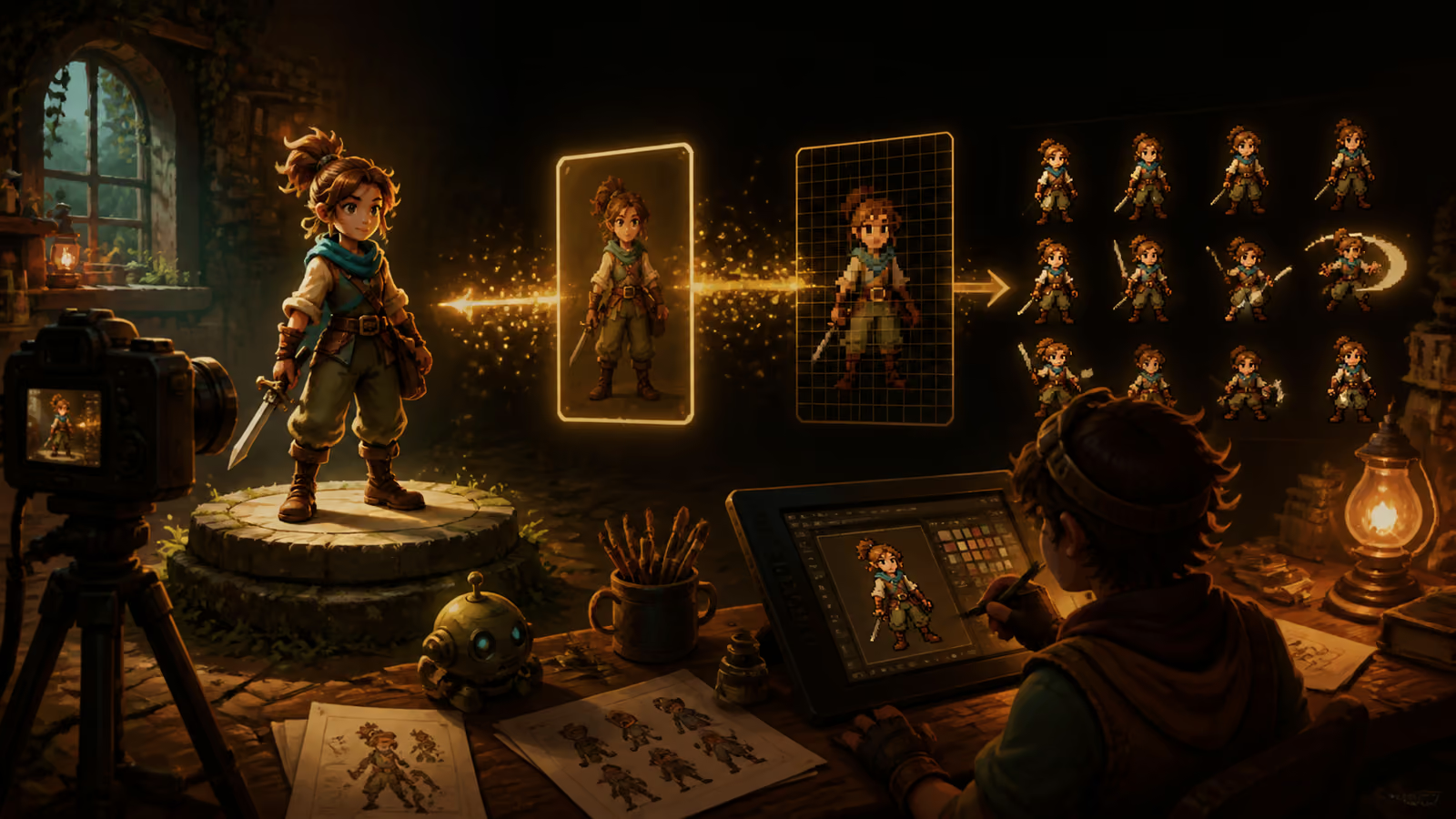
The likeness is the easy half. Making it stand on a floor and turn around convincingly is the rest.
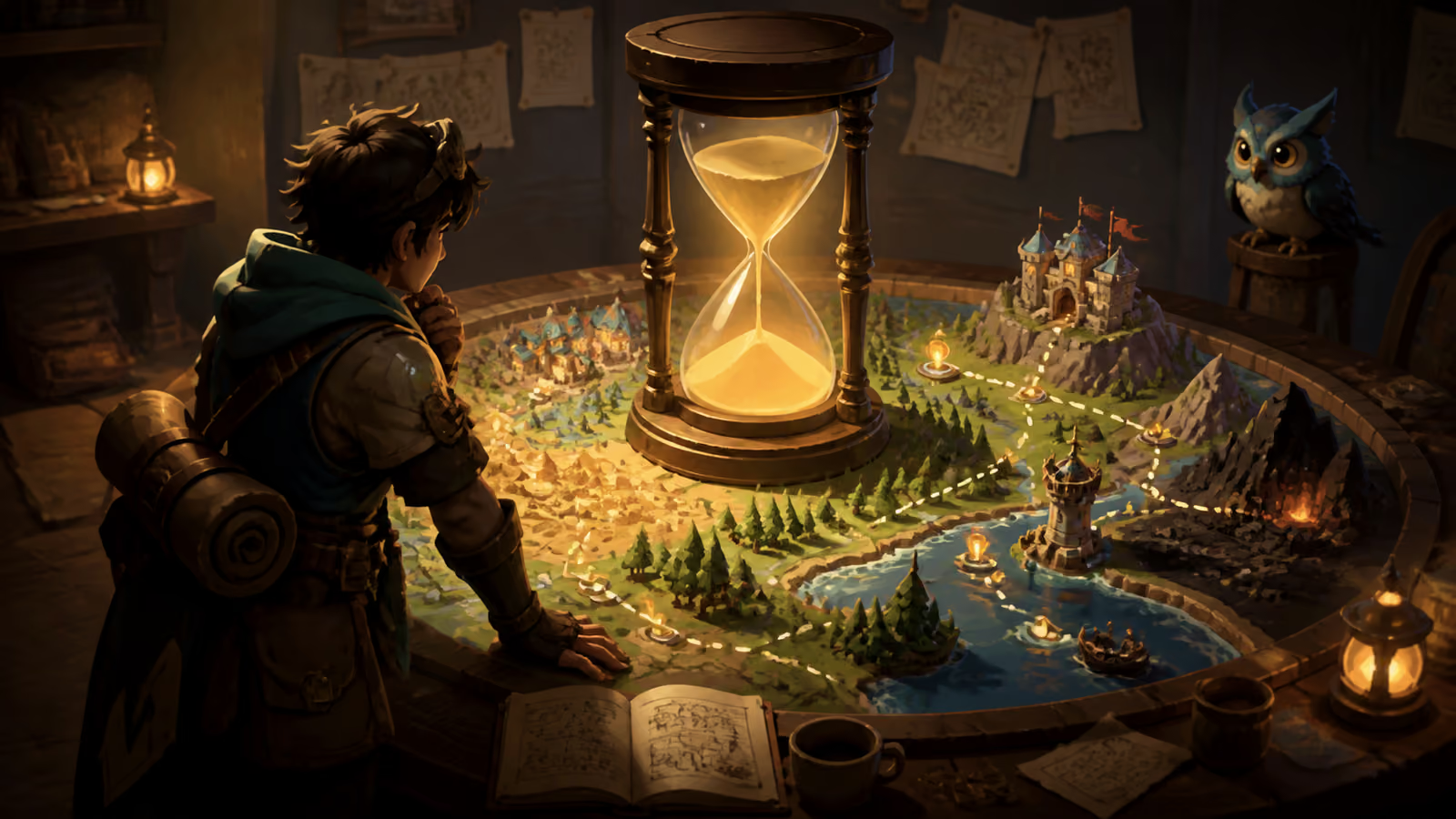
The commonest mistake in a commissioned game is making it too long. Nobody has ever complained that a gift was too easy to finish.
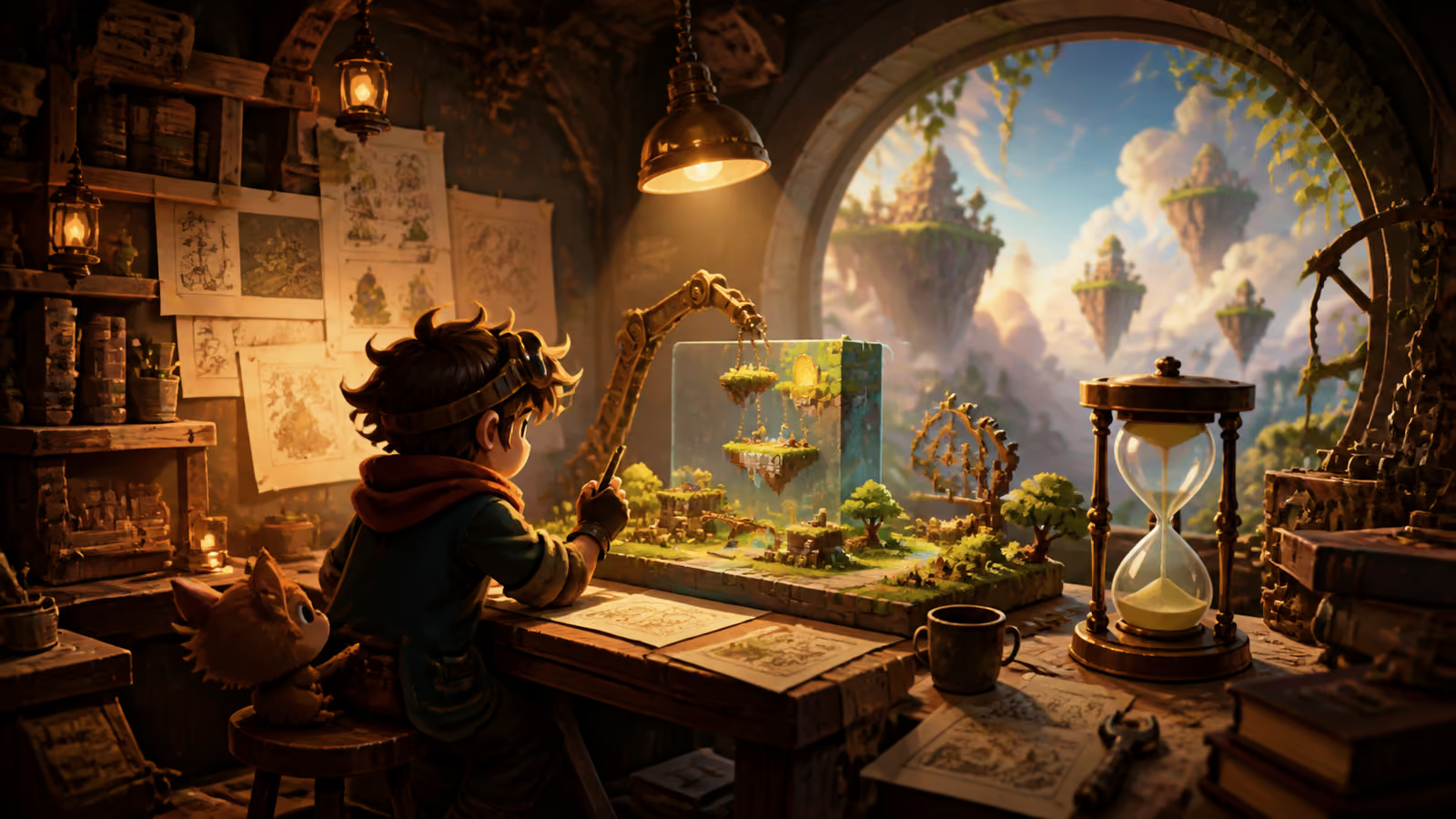
The build is the predictable part. Everything before it is where a schedule is won or lost.
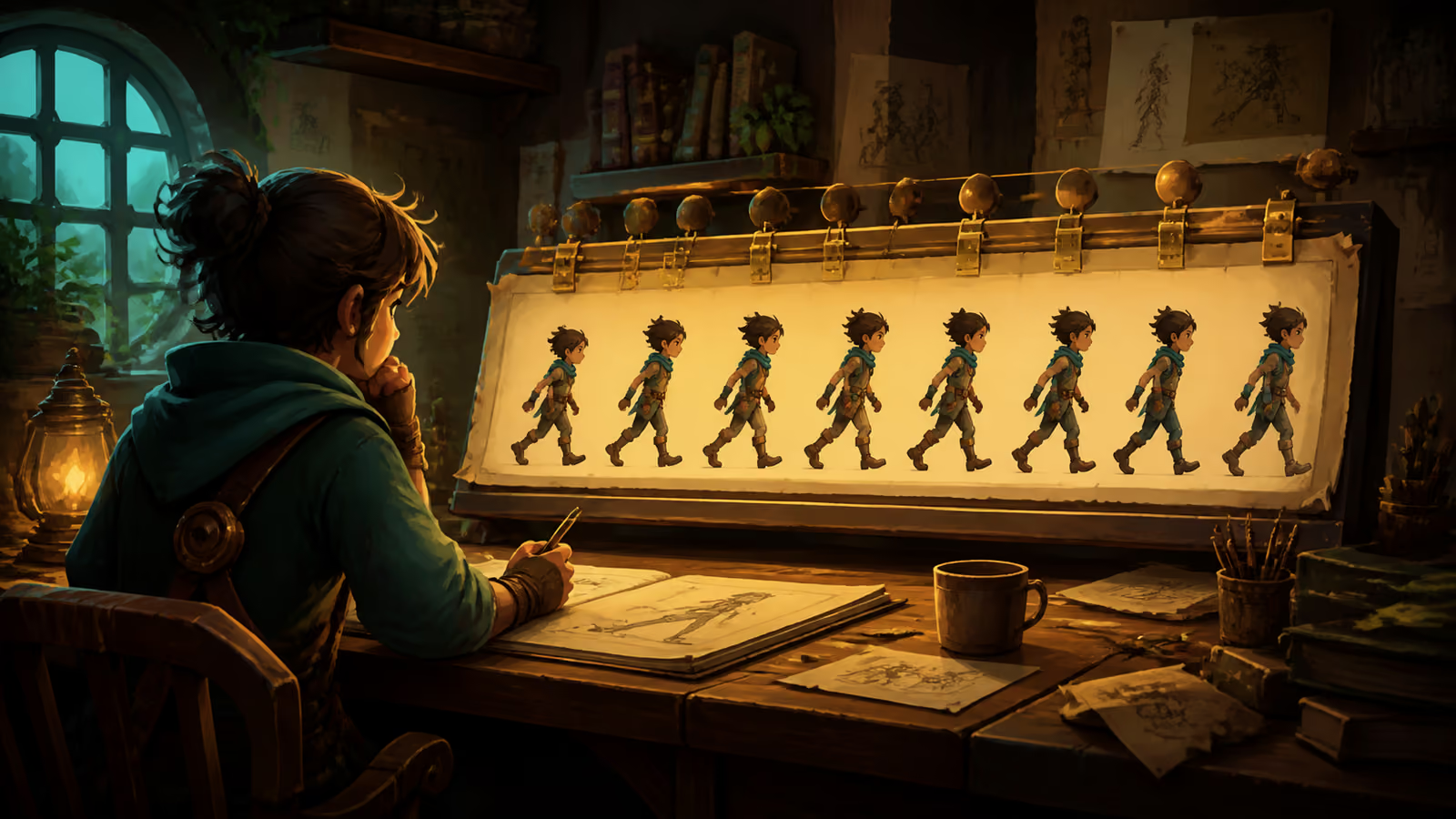
Two frames is enough. Understanding why is the difference between spending an art budget well and spending it on animation nobody sees.
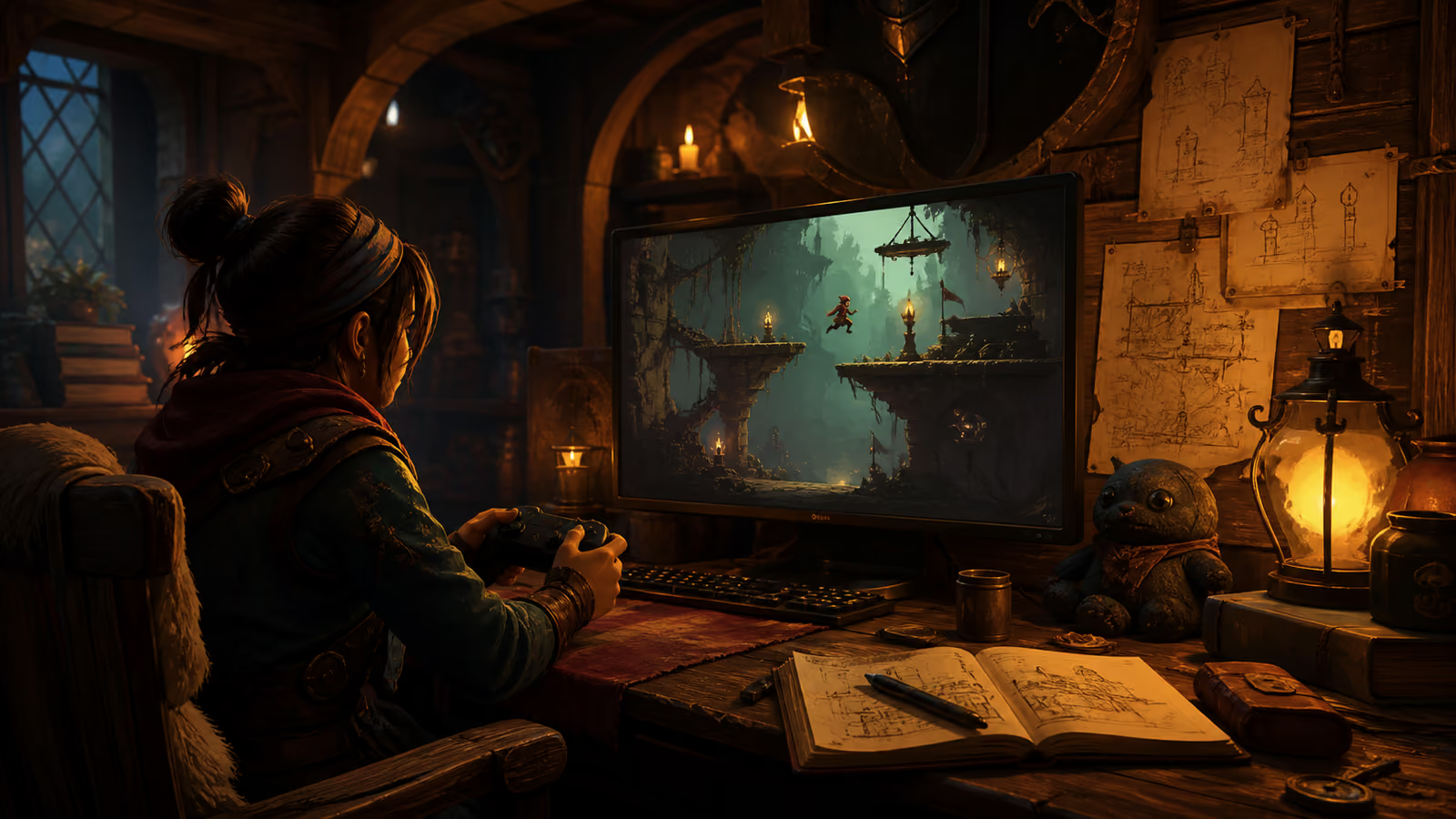
The hardest part of playtesting is keeping your mouth shut. Everything useful happens in the silence.
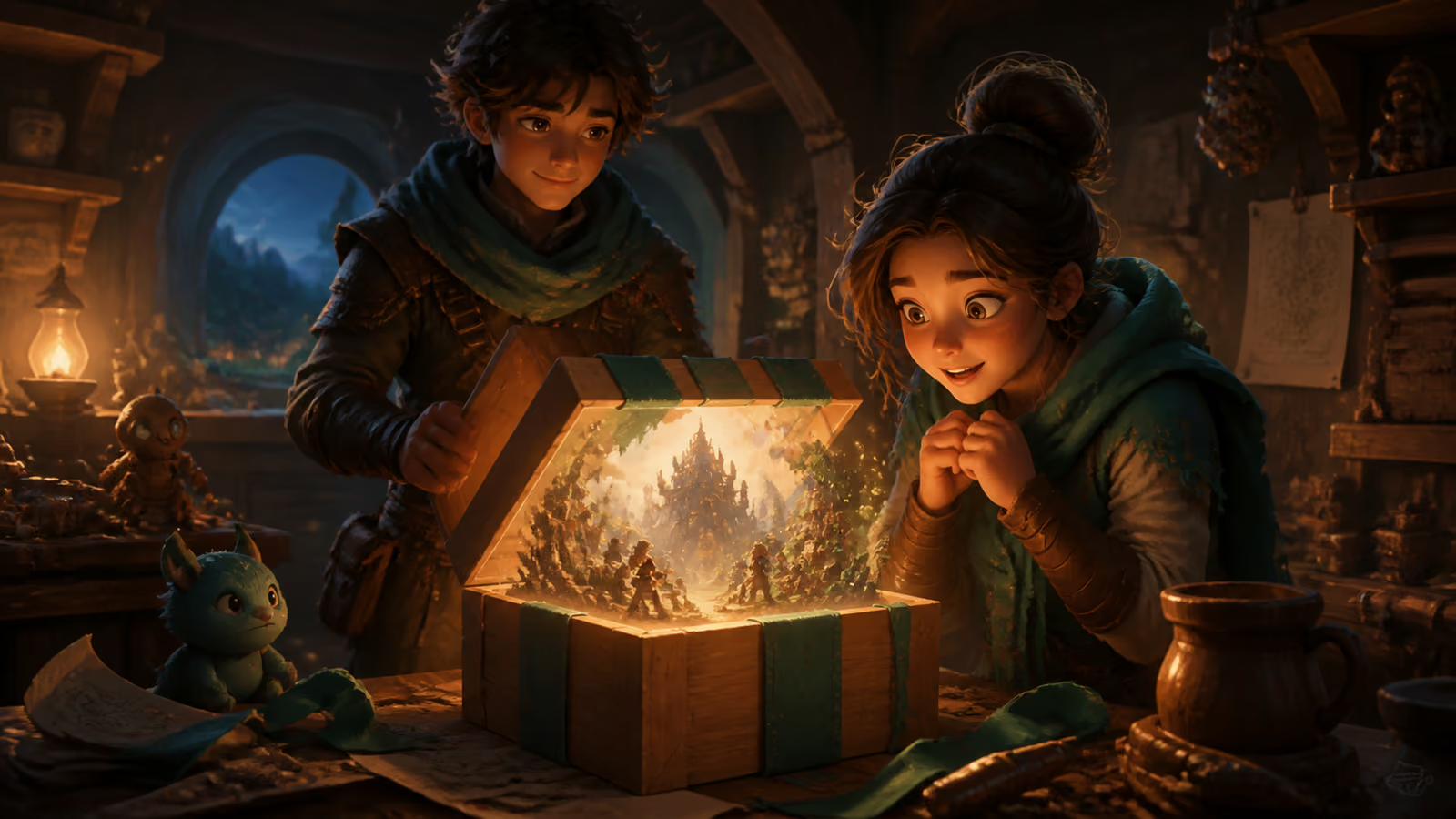
The commission is the easy part. Handing over a link at a party without it feeling like an email is the bit people get wrong.
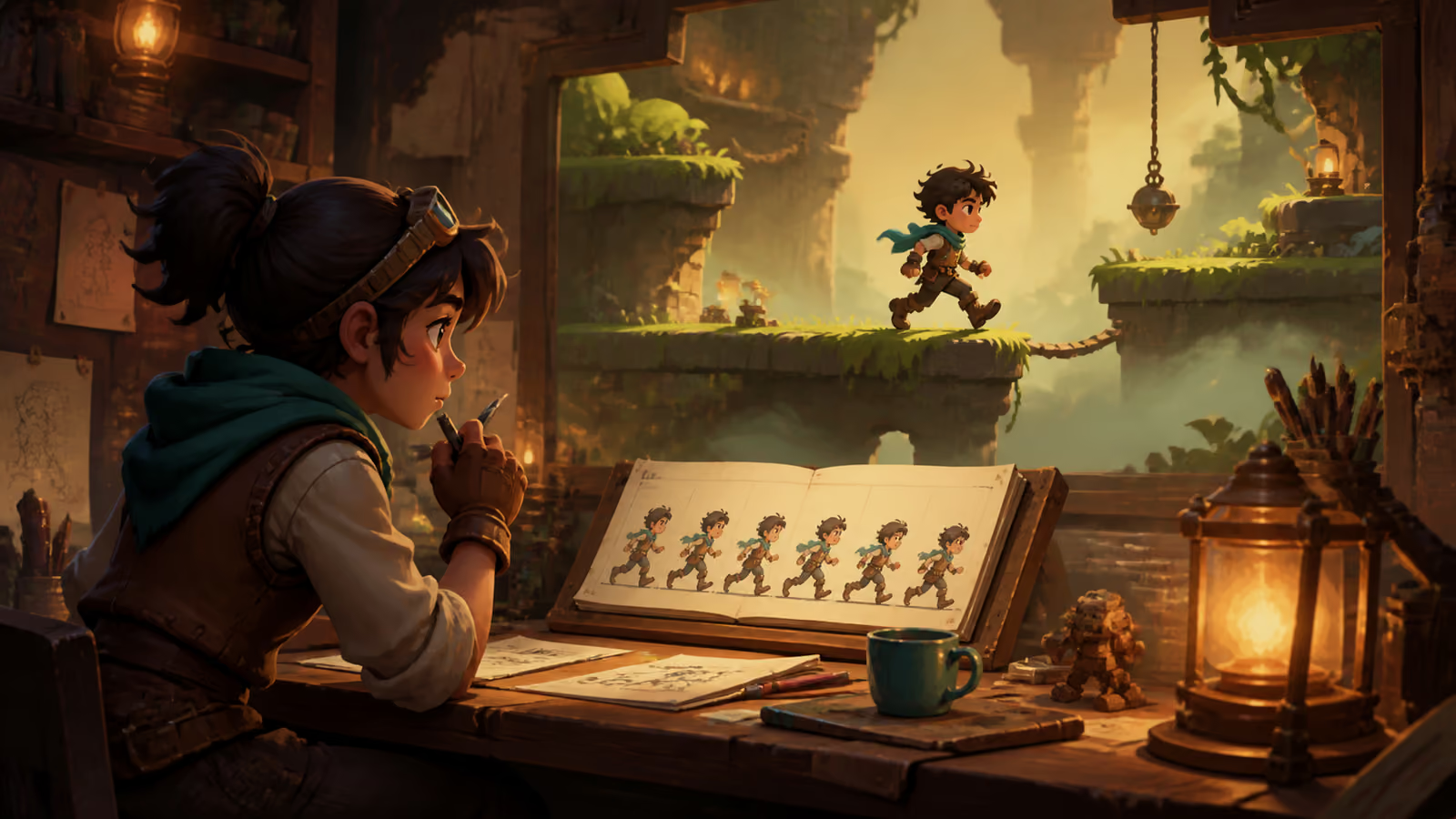
Feet that skate, legs that race, a stride that changes tempo halfway across a room. One arithmetic mistake causes all three.
One file you can email. No install, no server, no broken image paths in five years' time.
Where should it be set is the question that decides everything. Most people answer it in four words.
It counts to 48000 because that is what a 48K machine had. And while it performs, it is doing real work.
The hard part is not drawing the bear. It is deciding which of its repairs to keep.
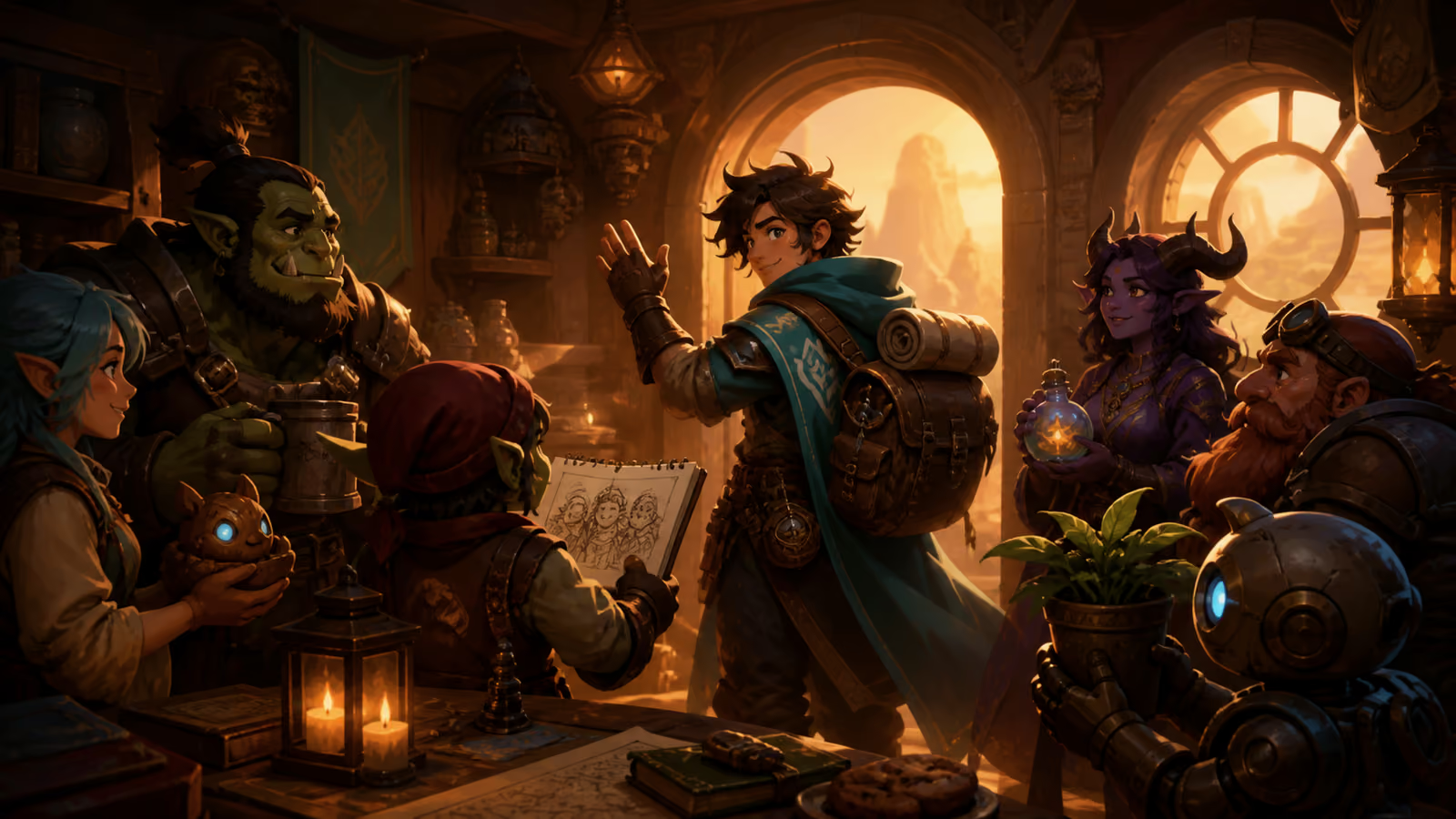
Somebody leaving for a better job is a happy occasion that everybody treats like a slightly sad one.
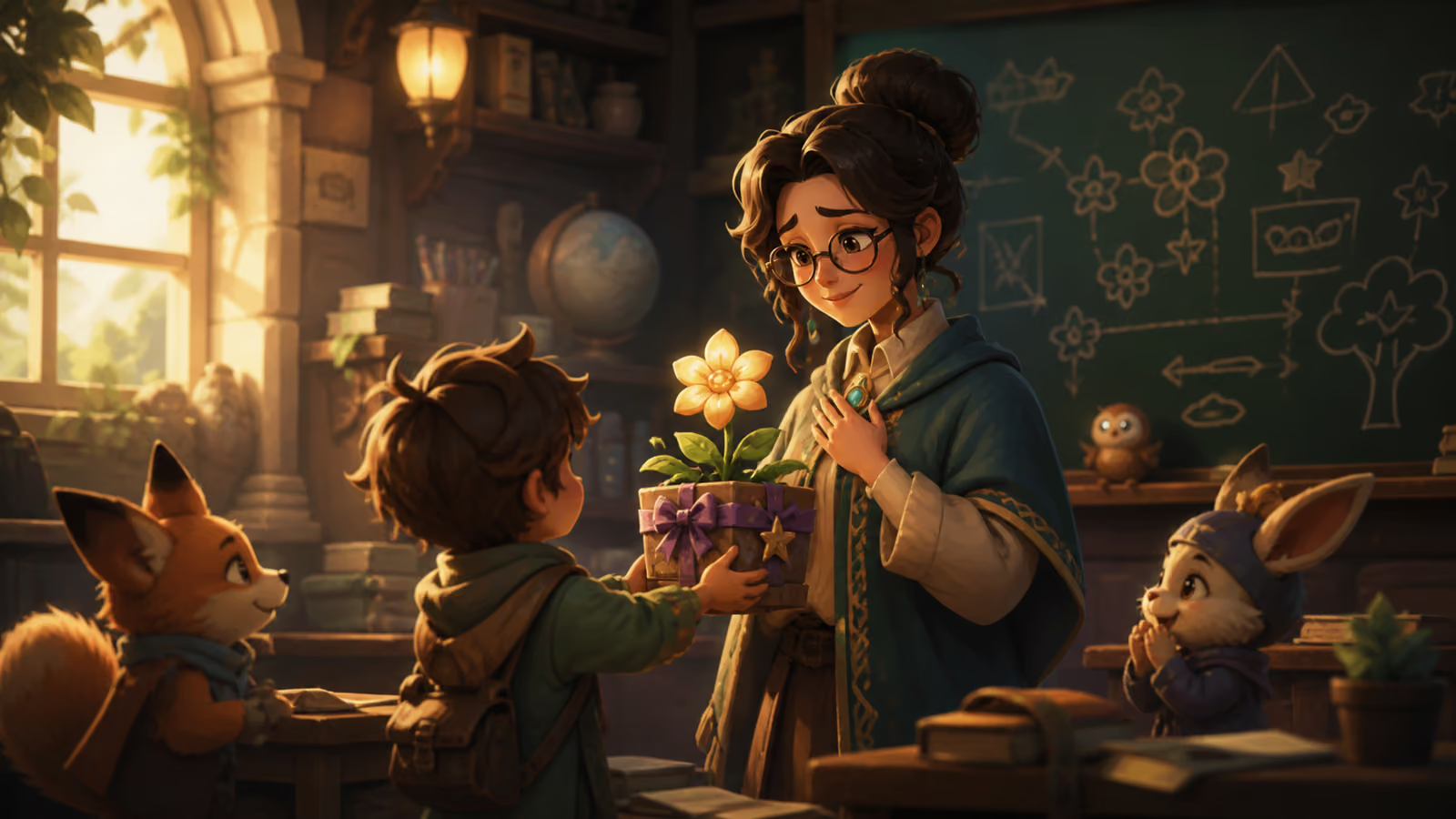
A teacher leaving after twenty years has received roughly two hundred mugs. Aim slightly higher.
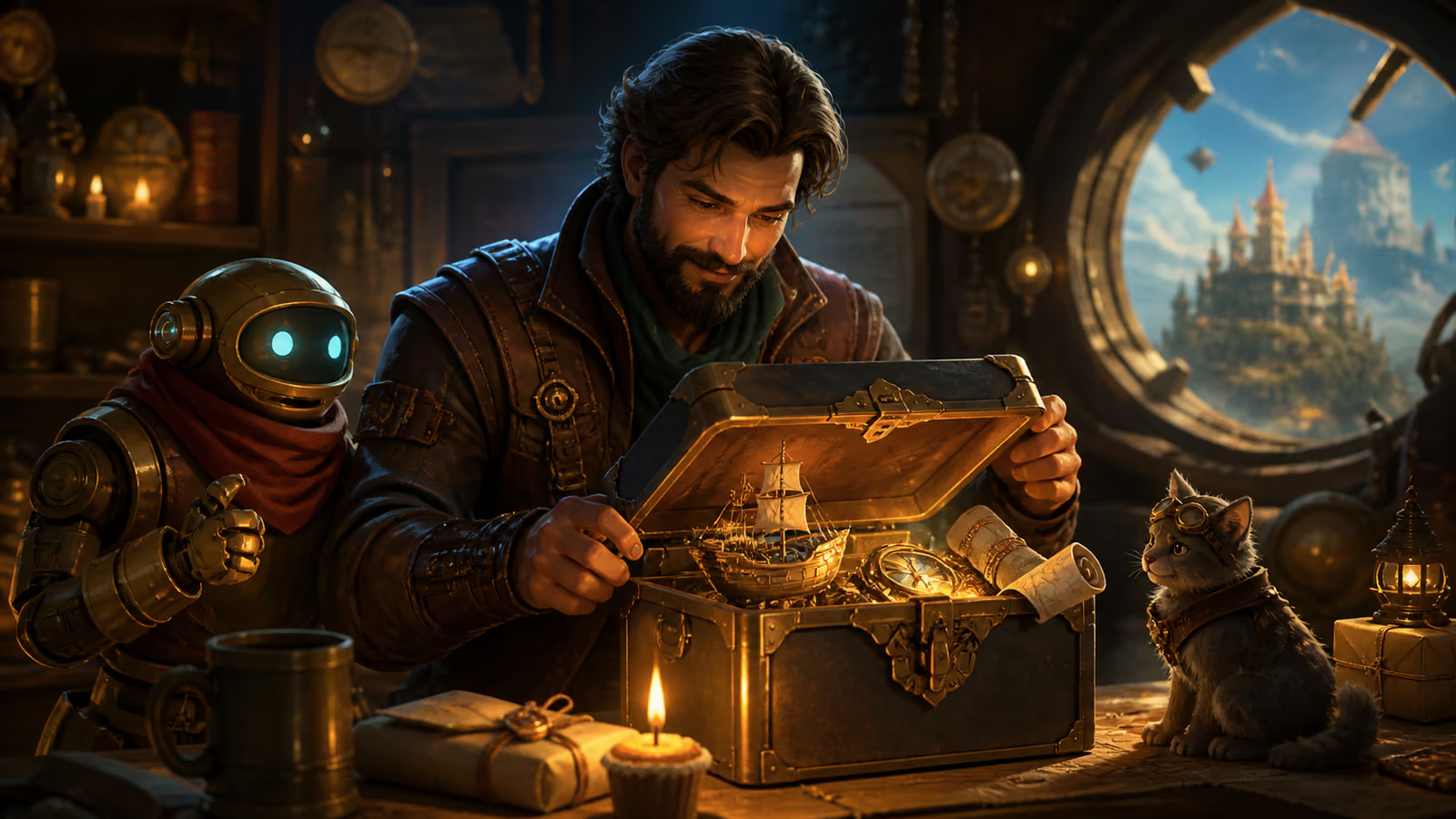
The decade matters more than the person's taste. Here is what shifts at each one.
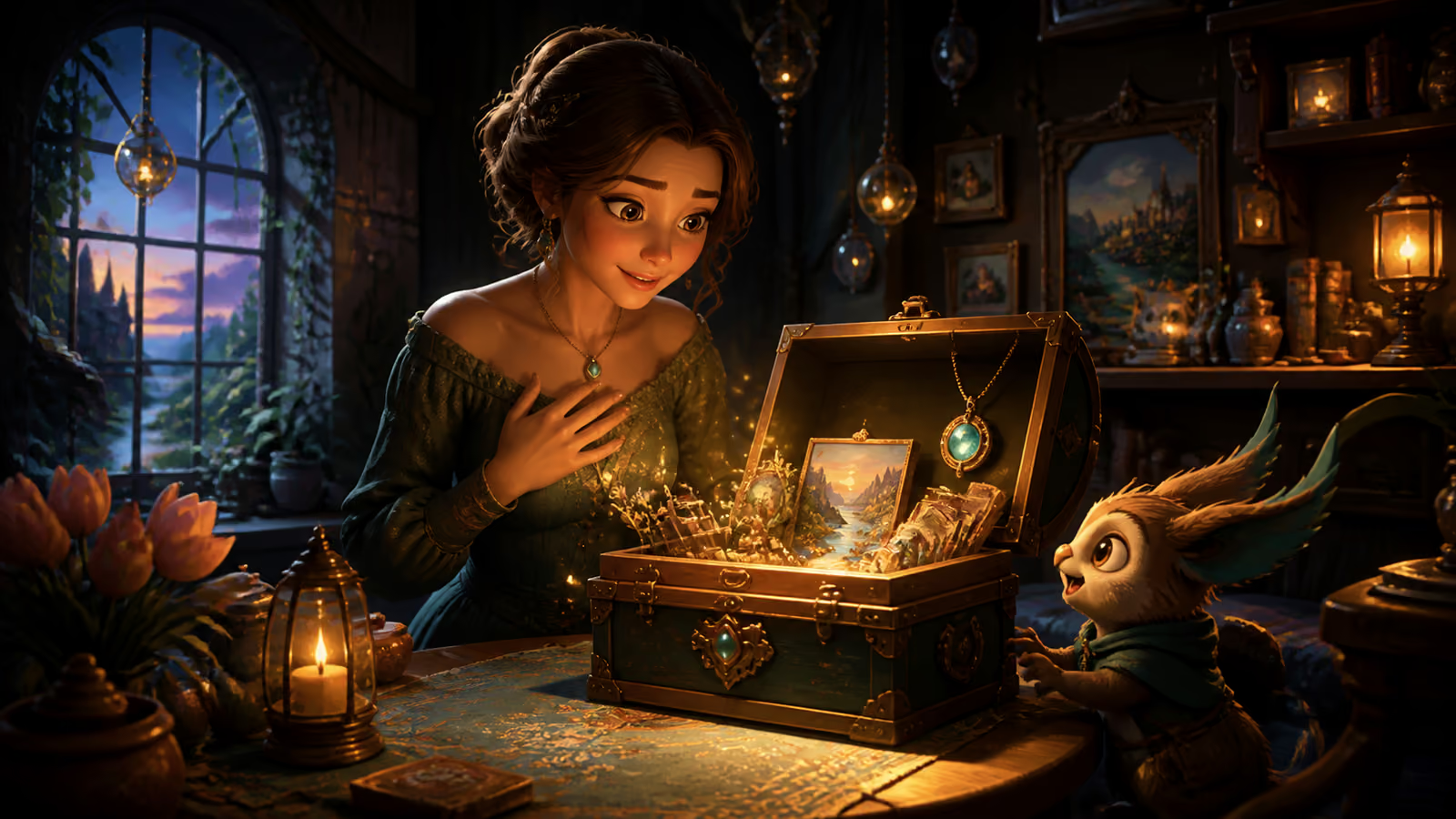
Most milestone gift lists for women are the same list at every age. The decades are not the same.
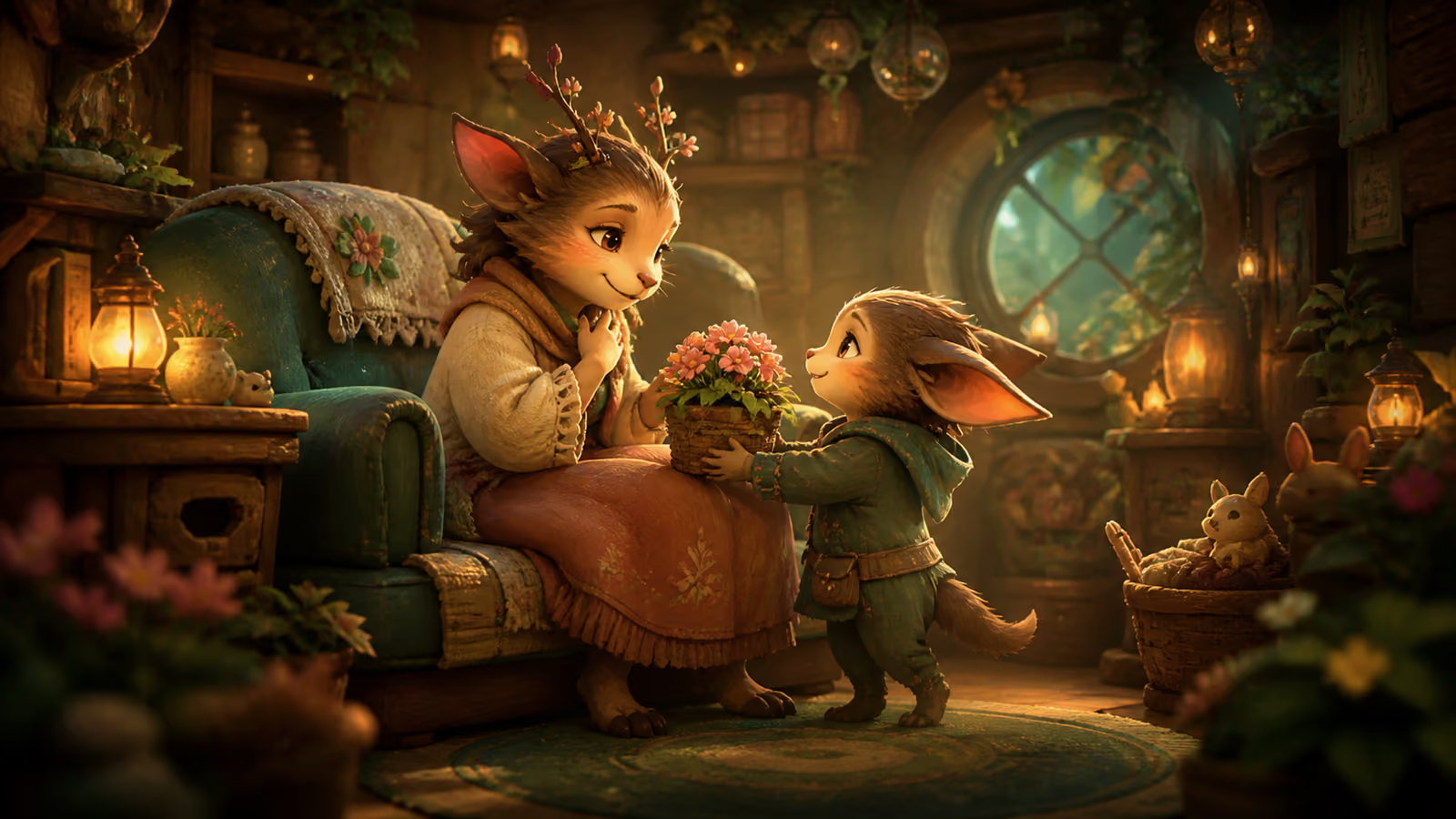
Flowers are not a bad gift. Flowers for the fourteenth consecutive year is not really a gift at all.
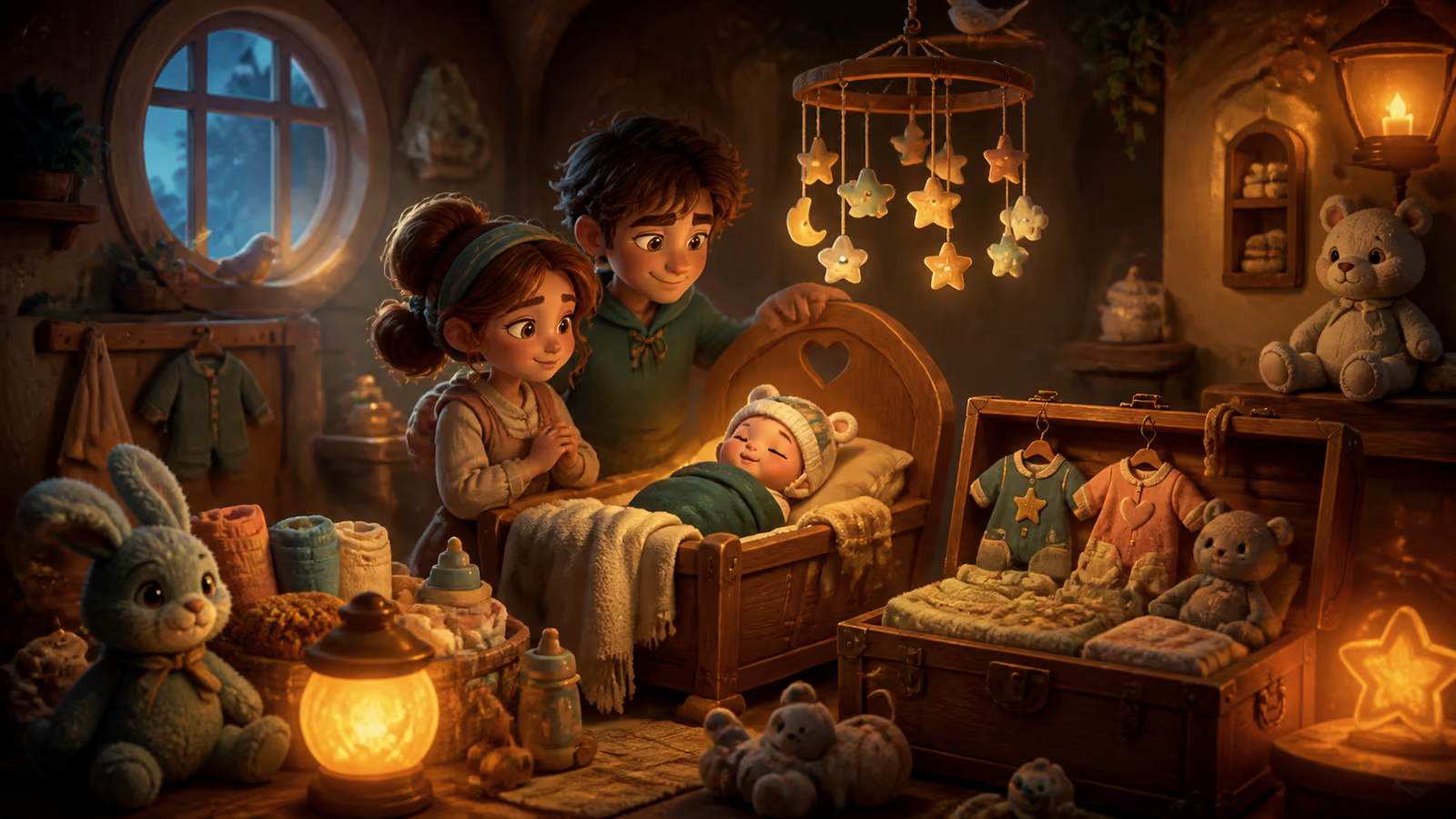
Everyone buys for the baby. Almost nobody buys for the two people who have not slept.
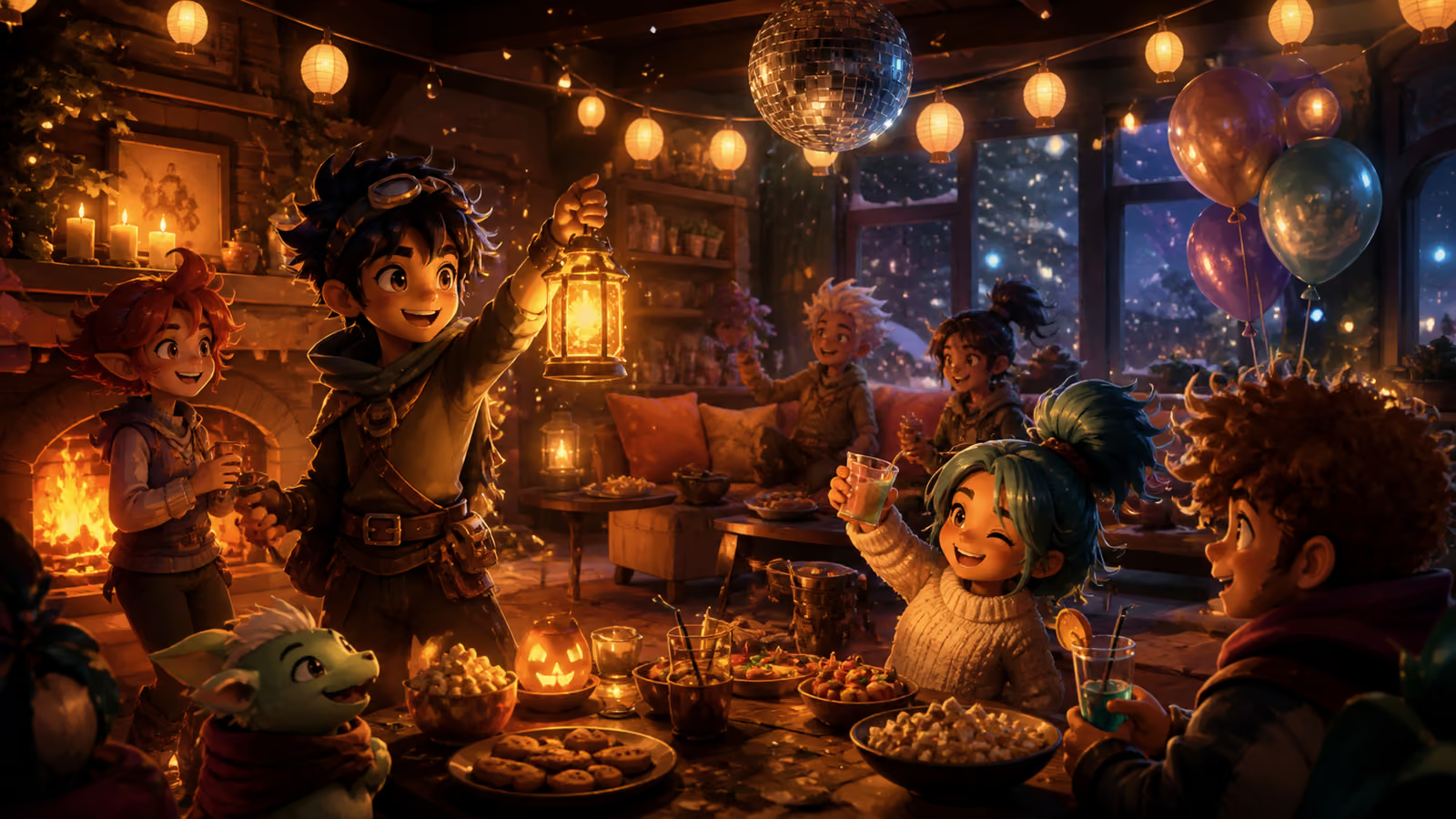
New Year's Eve is five hours of waiting for sixty seconds. Everything else is a plan to fill it.
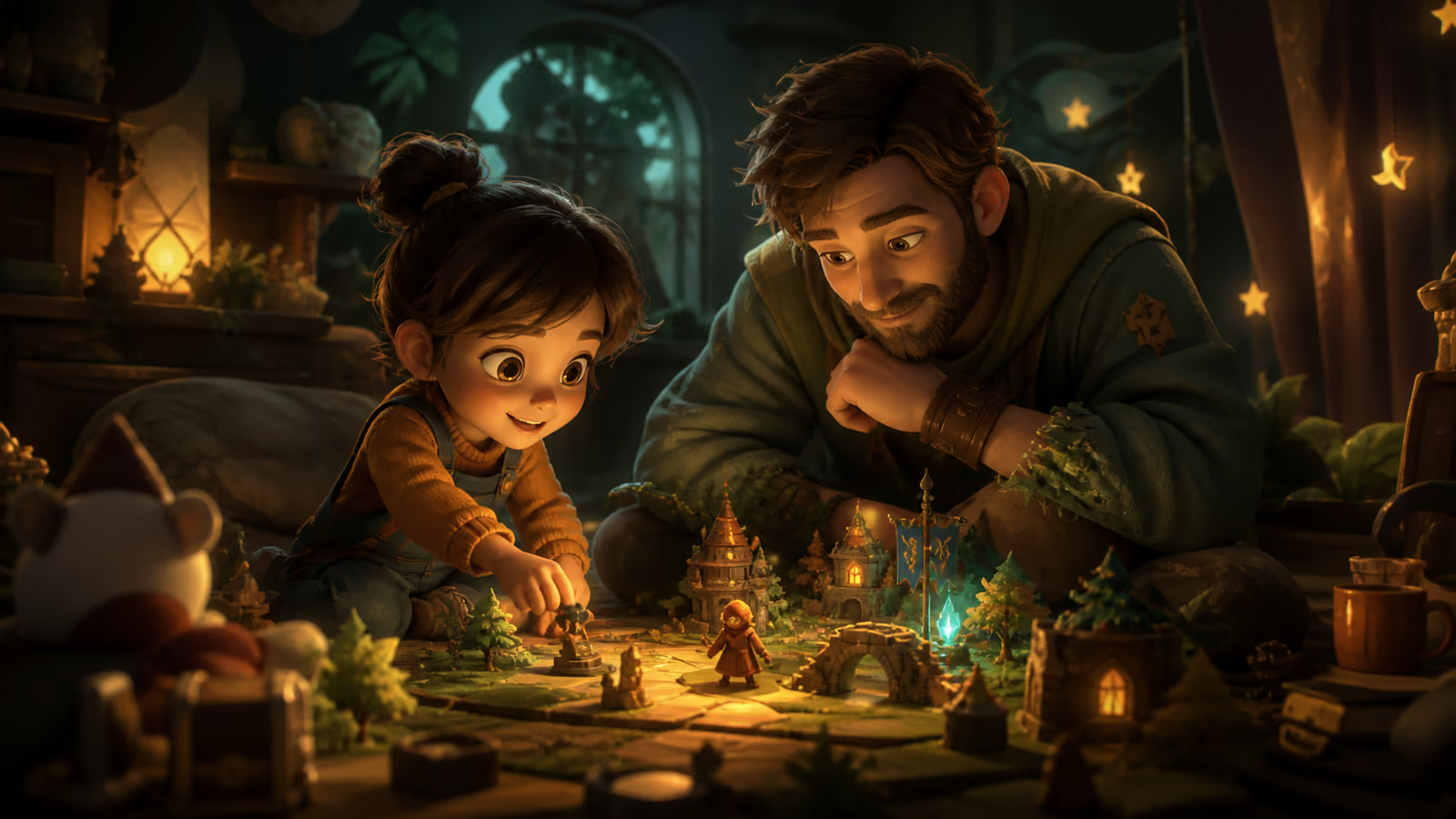
A game for a four-year-old is not an easier game. It is a different set of five numbers, and one of them removes losing entirely.
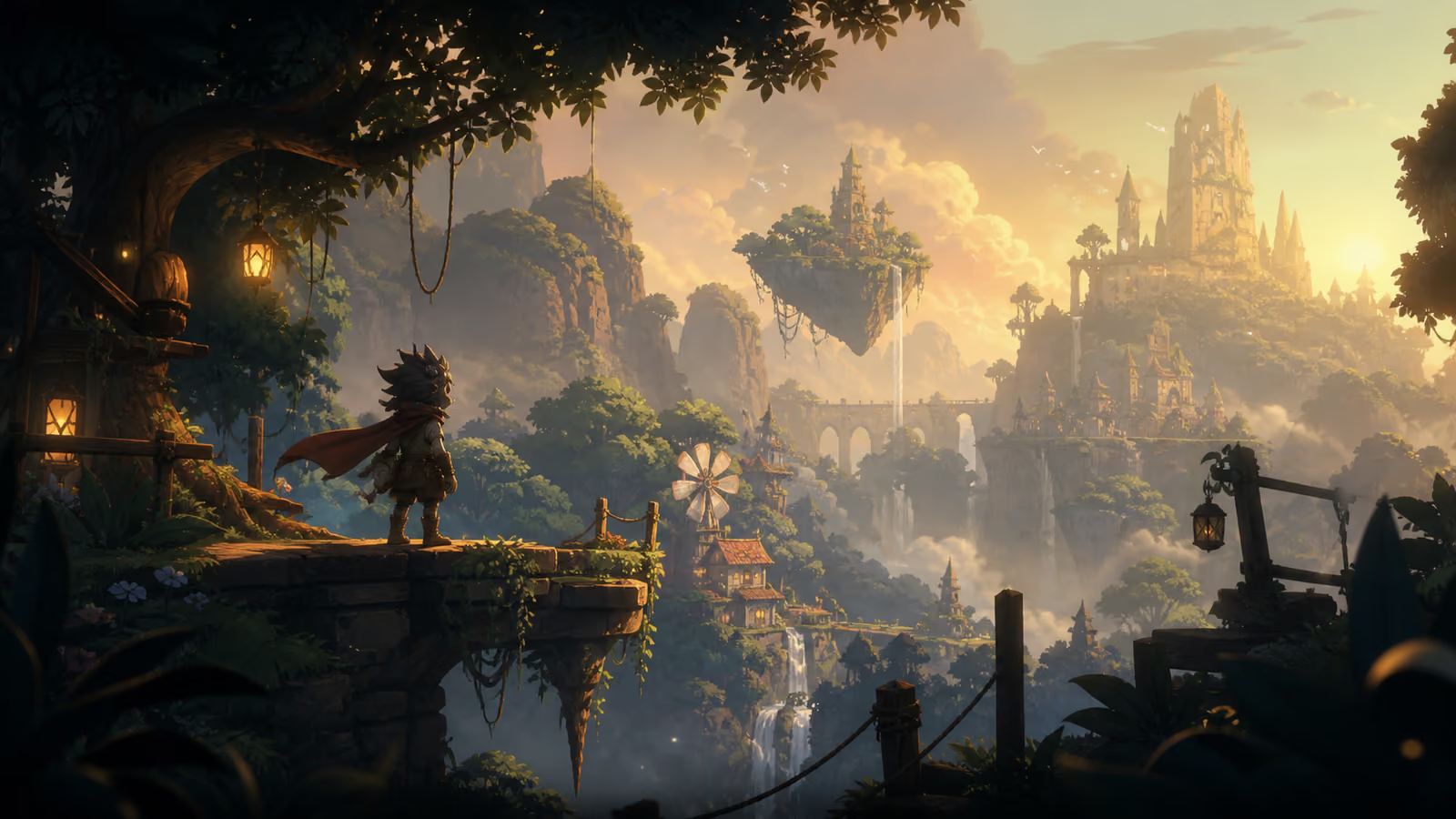
Three ways to put a character into a painted scene. Only one of them is parallax, and choosing between them is a per-room decision.
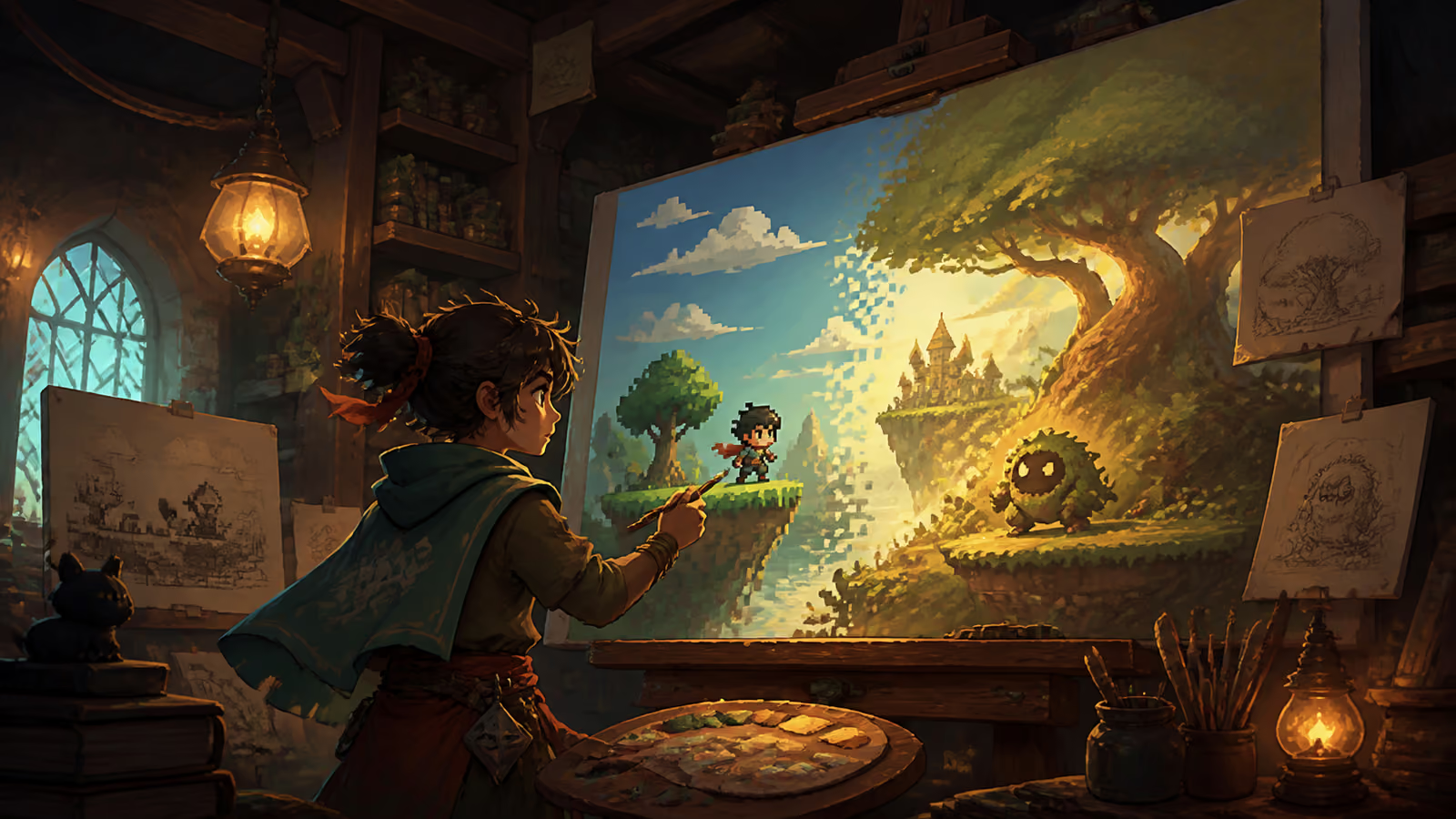
One of our games is 104KB of pixel art. Another is 20MB of painting. Neither choice was about taste.
A build can compile, open, look perfect and be impossible to finish. Ours are tested by a machine that plays them.
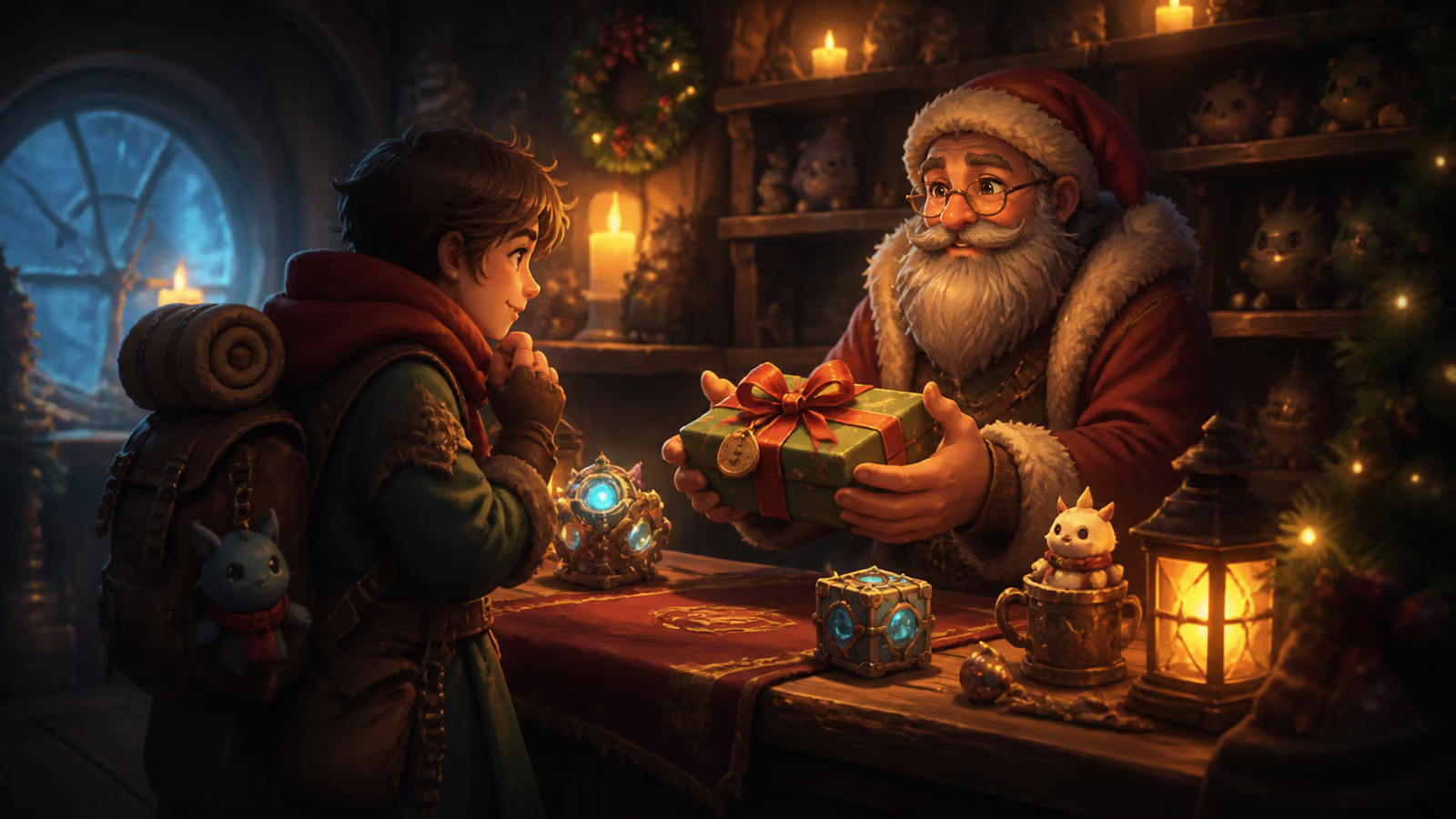
Secret Santa is a design problem with a tight budget and almost no information. It is solvable.
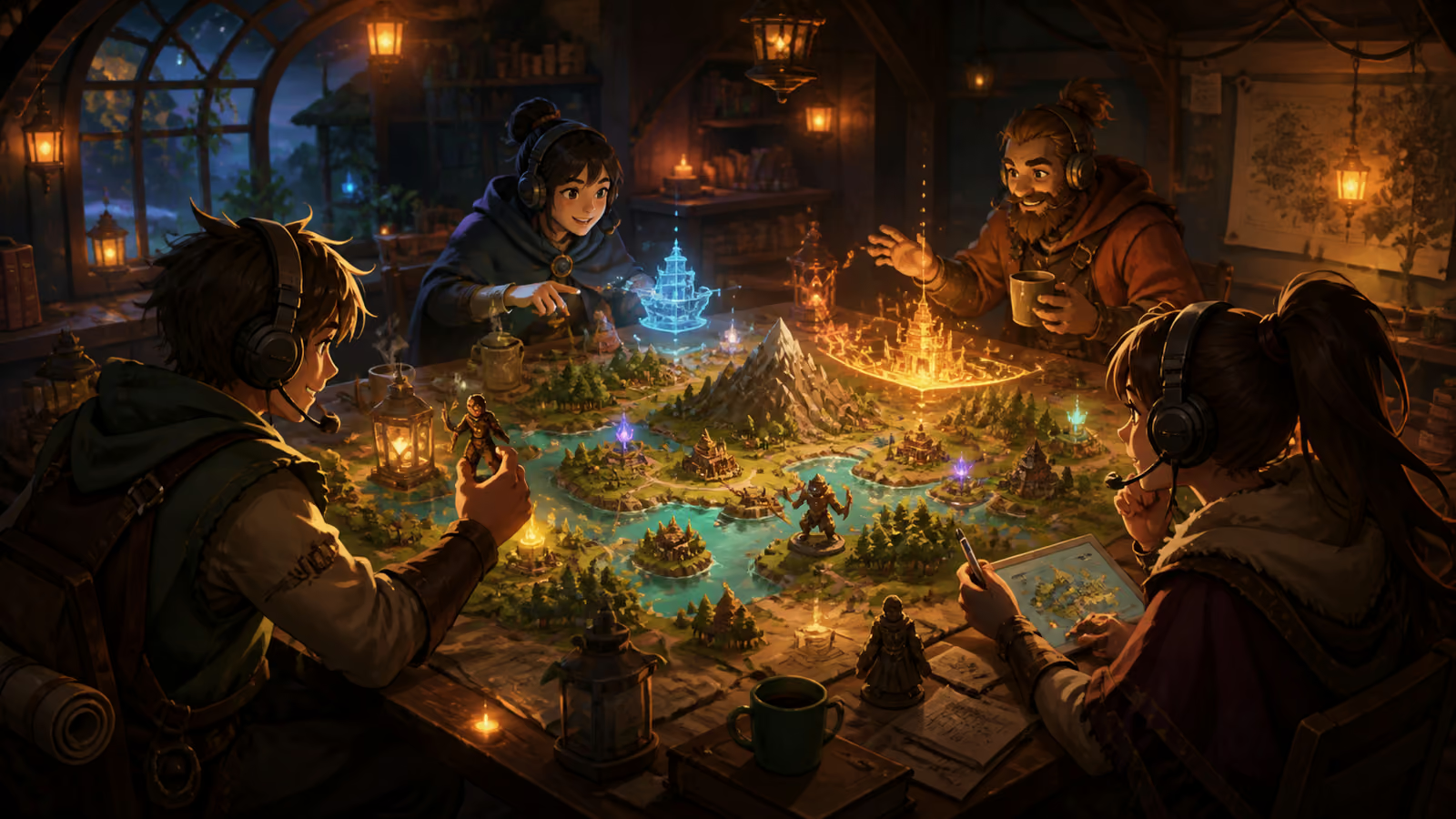
The problem with remote team building is not that it is online. It is that it is compulsory.
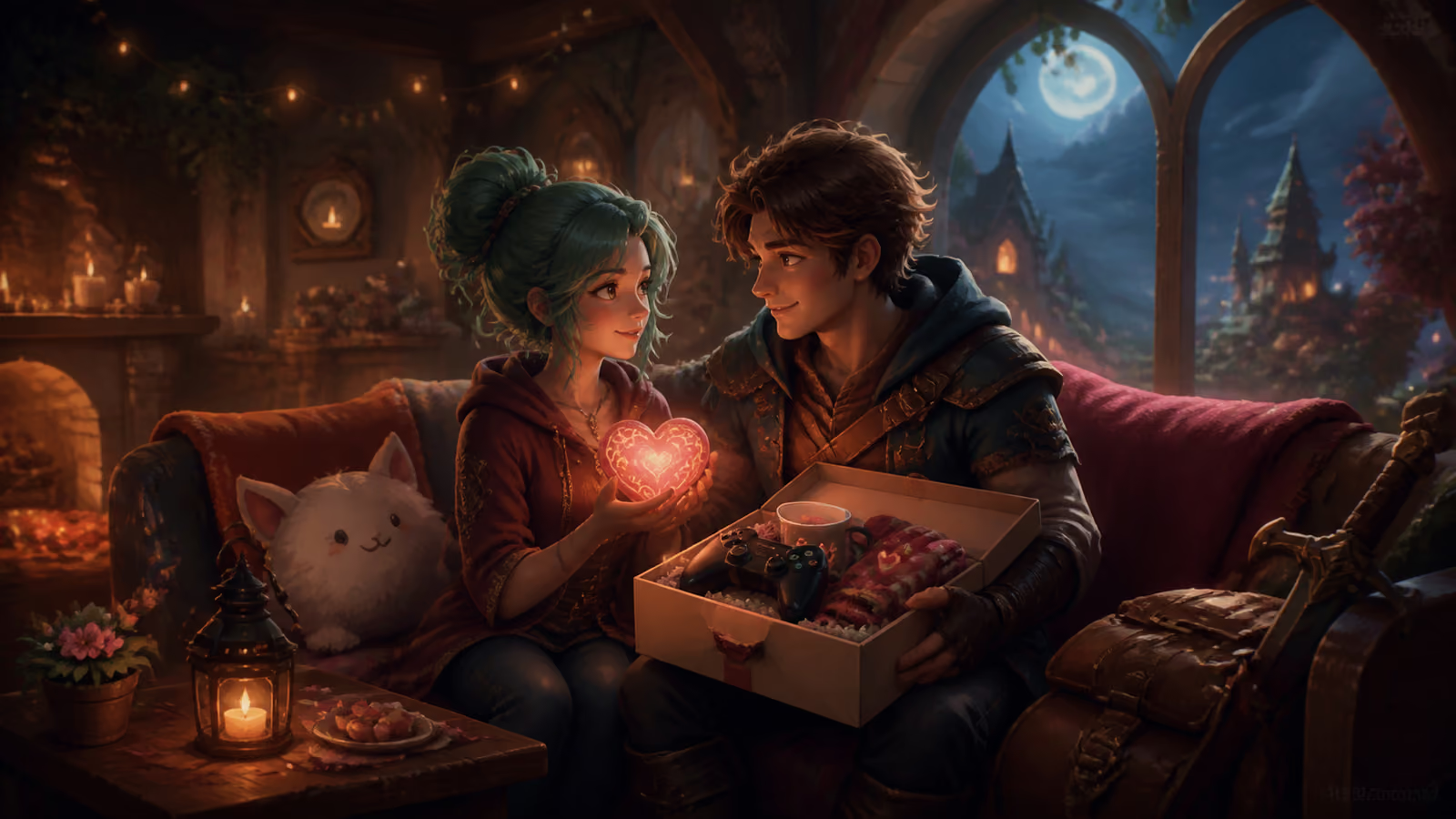
The gift problem is not that they play games. It is that you are buying for a hobby you cannot assess.
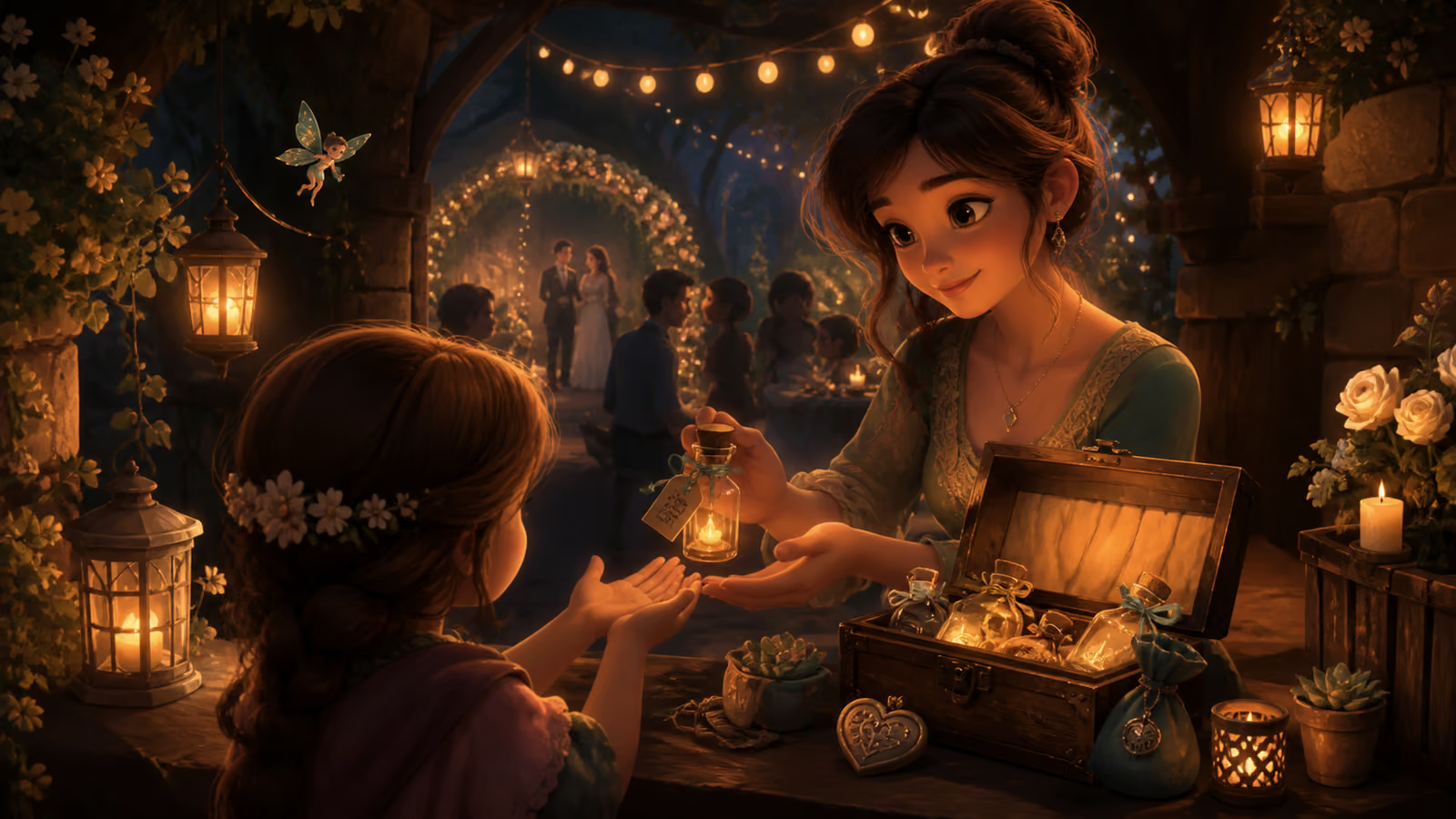
Walk round any reception hall at midnight and count what is still on the tables. That is your data.
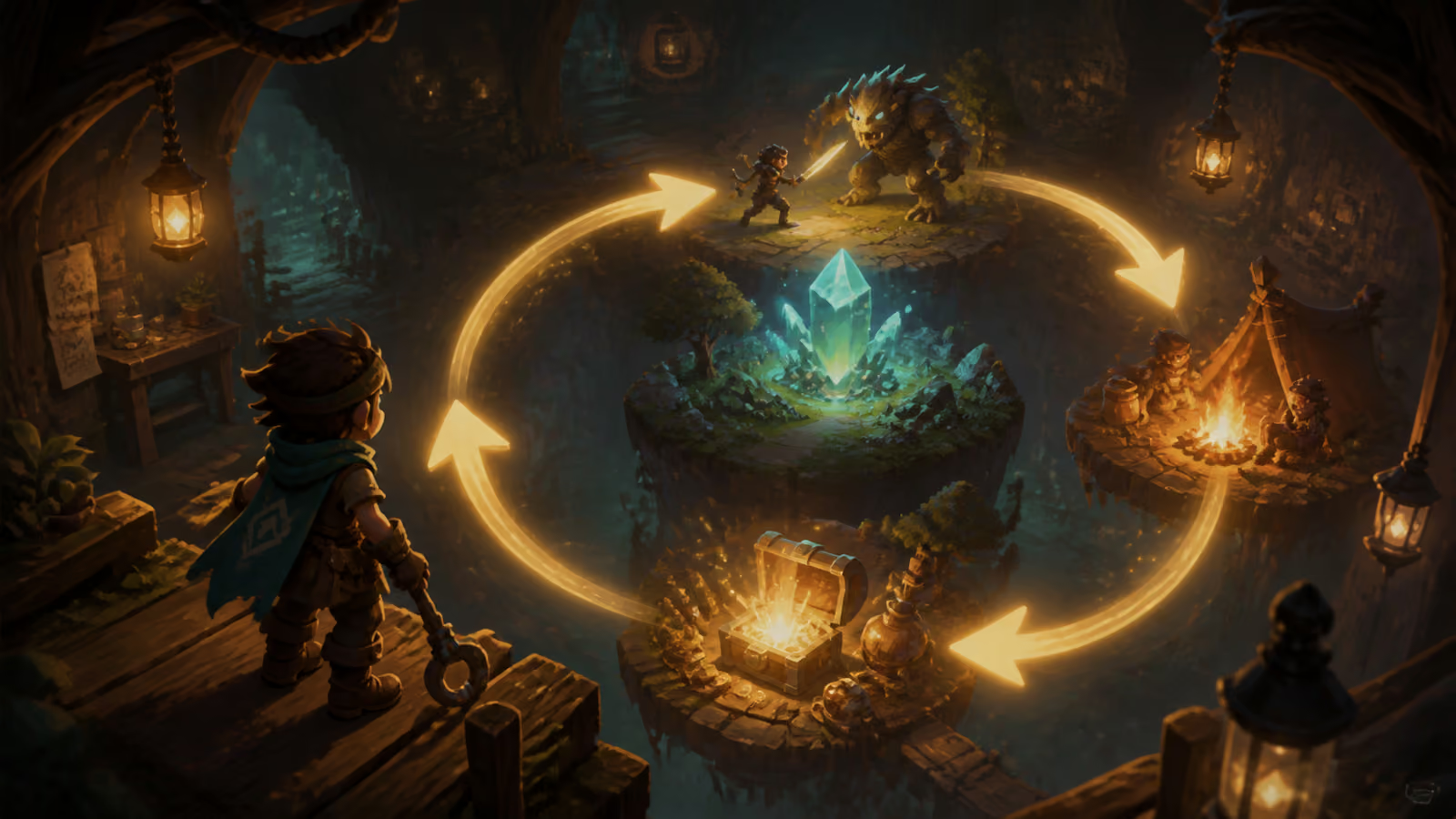
Every game ever made is the same three lines. Everything else is detail.
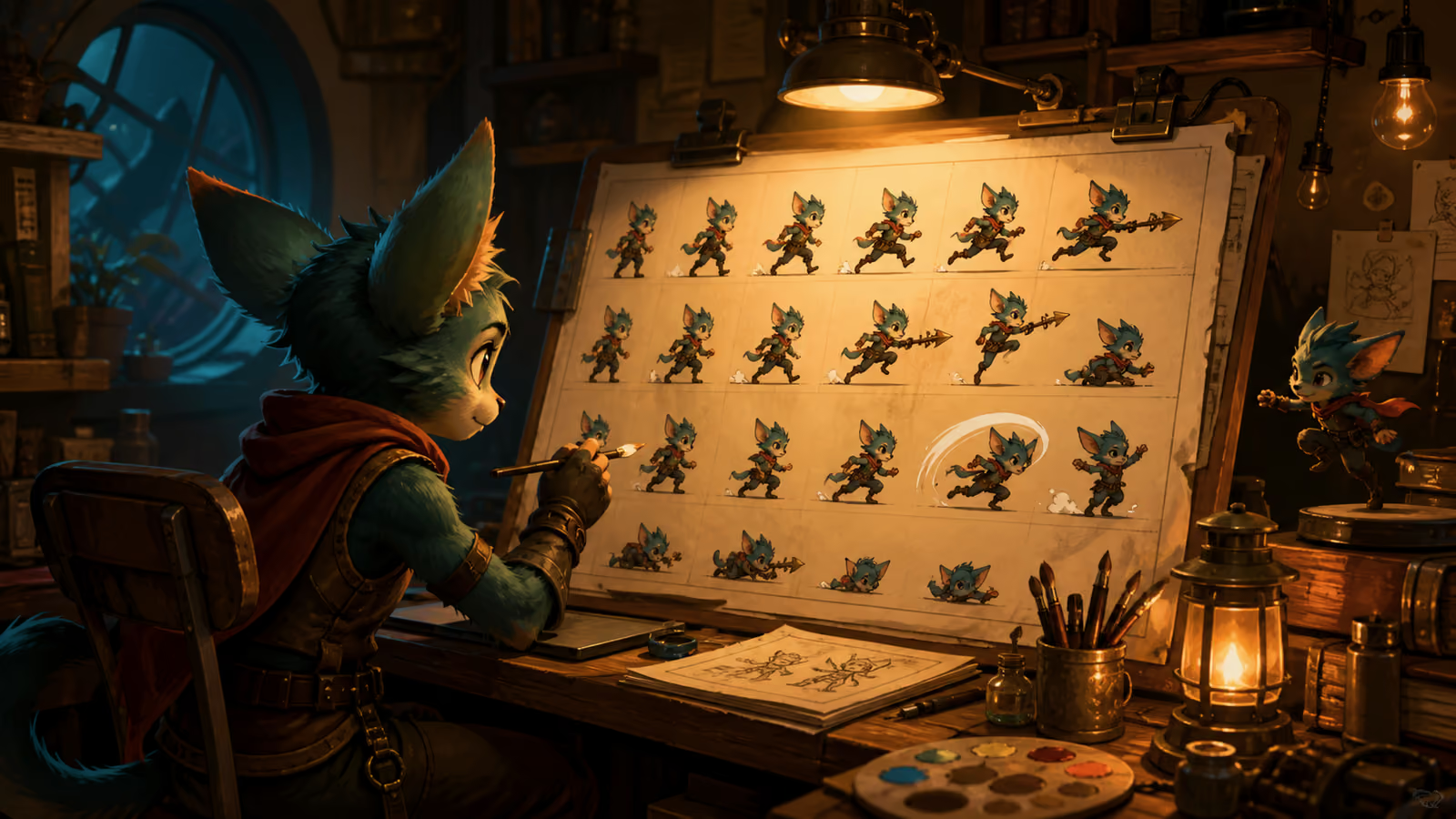
The standard answer is to pack every frame into one big image. Our games do the opposite, and the reason is worth understanding.
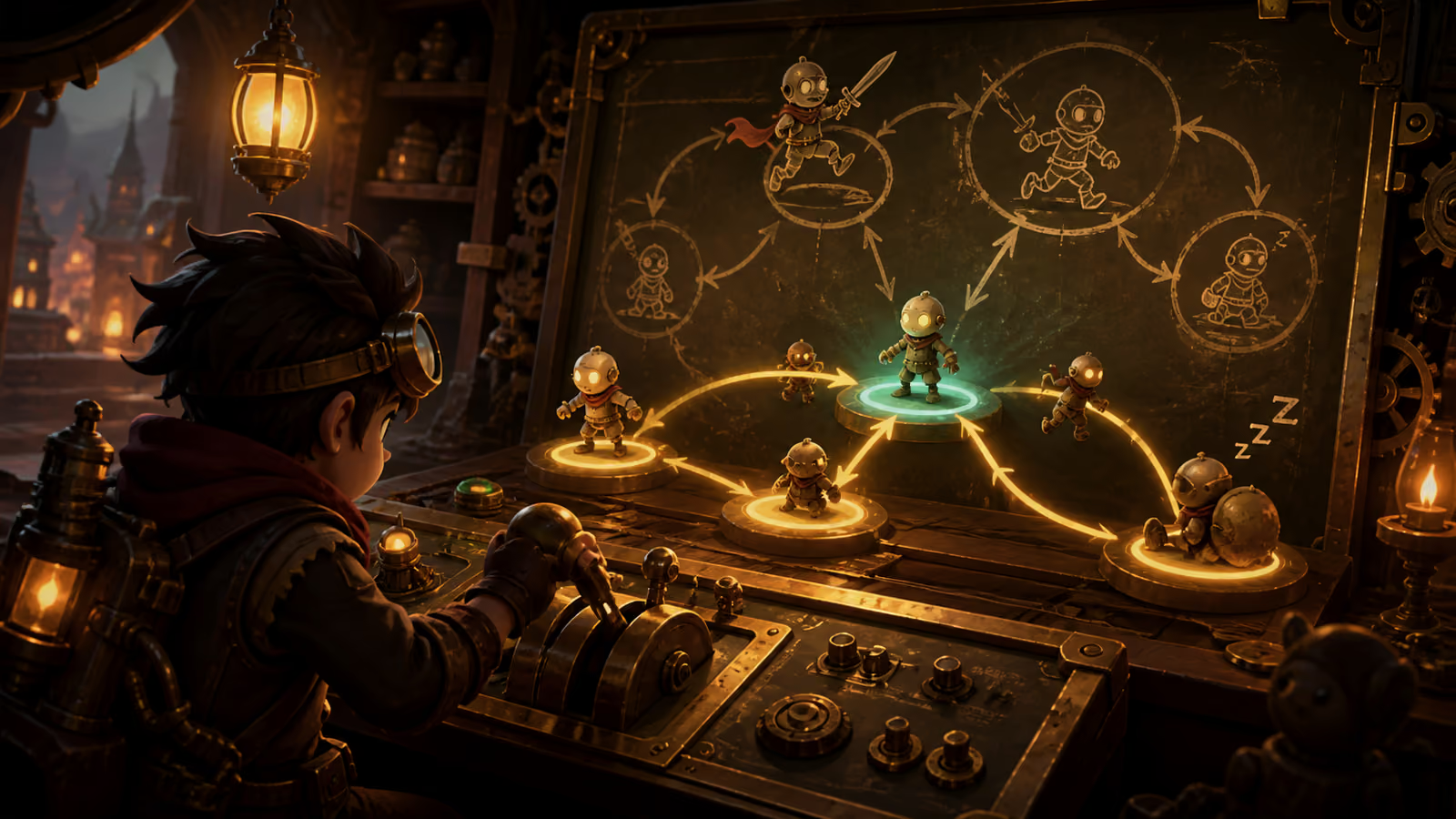
Our platformer has eight states and one variable holding which one it is in. Every bug we did not have is because of that.
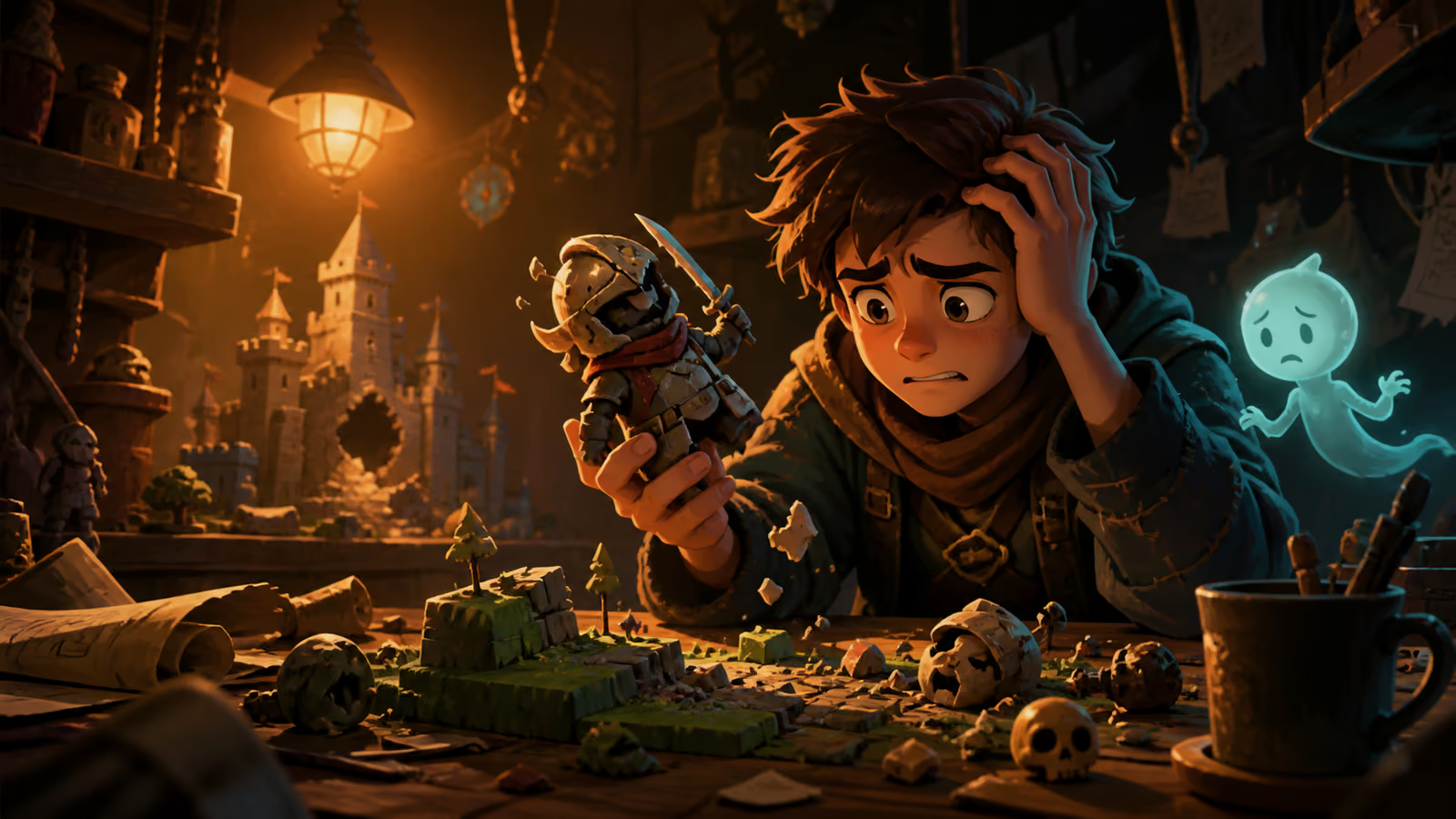
Commissions fail in a small number of predictable ways. All of them are avoidable and most are avoidable by you.
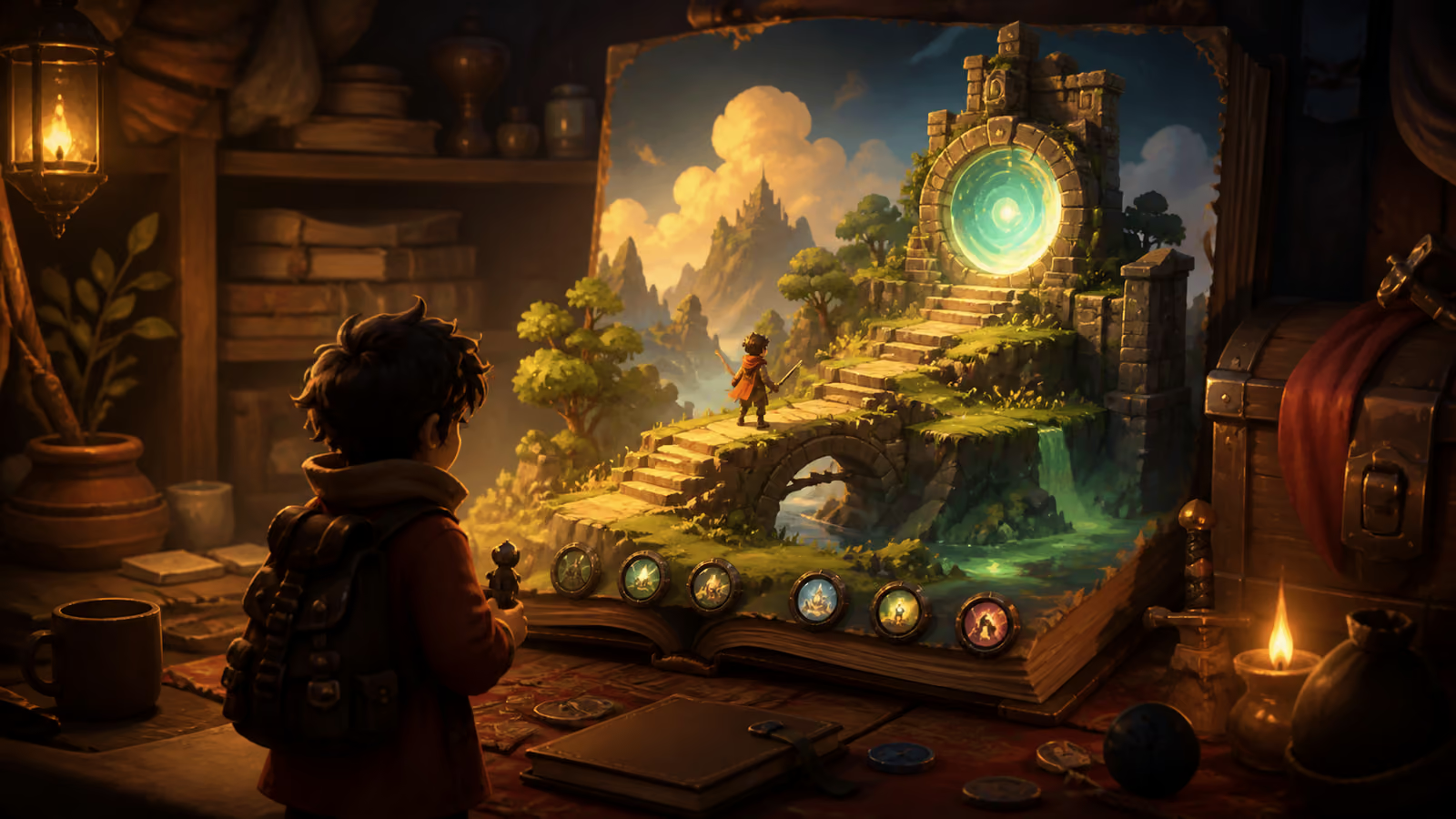
The measure of a commissioned game is not whether it is finished. It is whether it is opened again in March.
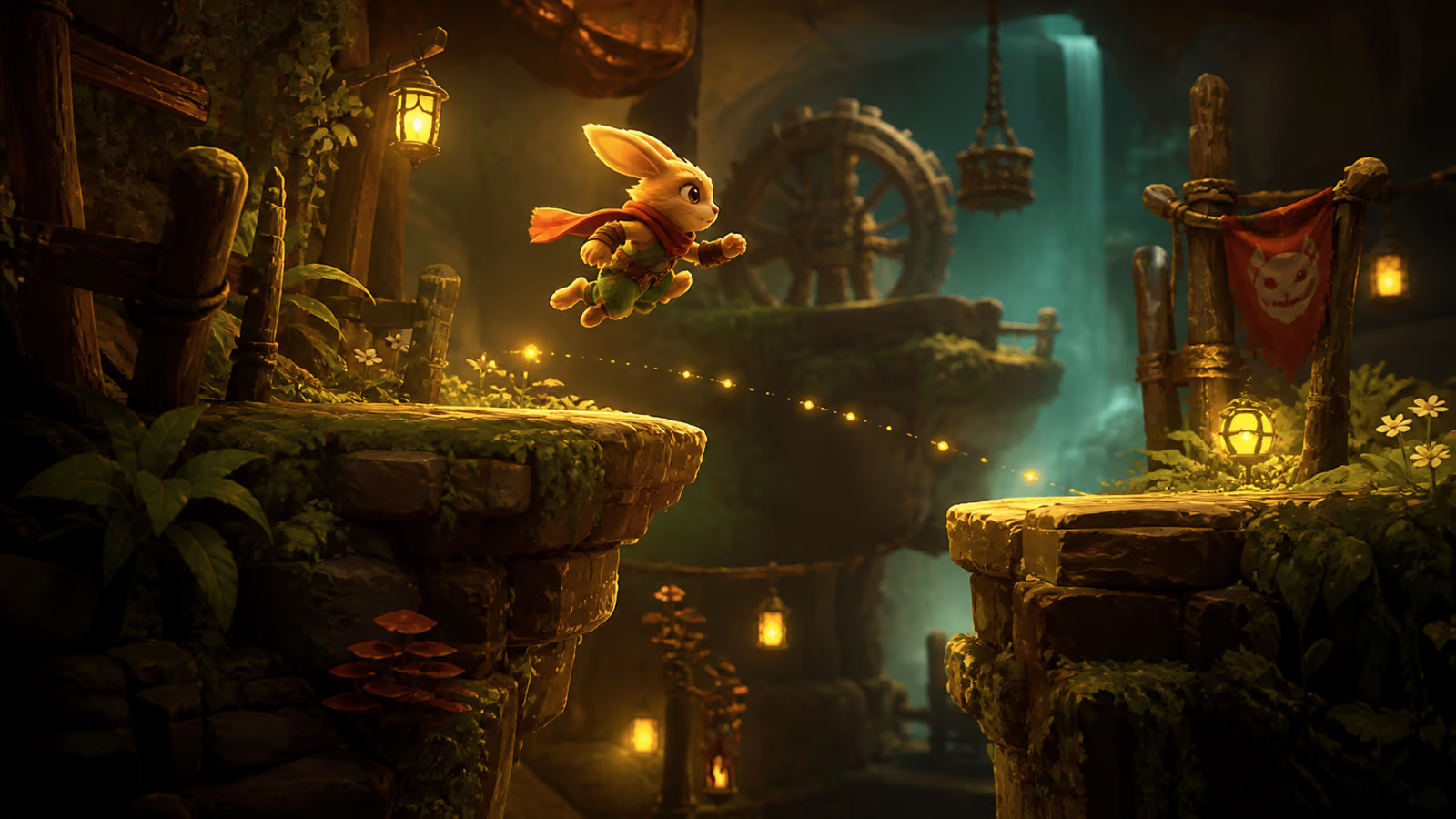
Every good platformer cheats in your favour. Here are the four places ours does it, and what each one is worth.
The code in our largest game is a rounding error. Everything you wait for is a picture.
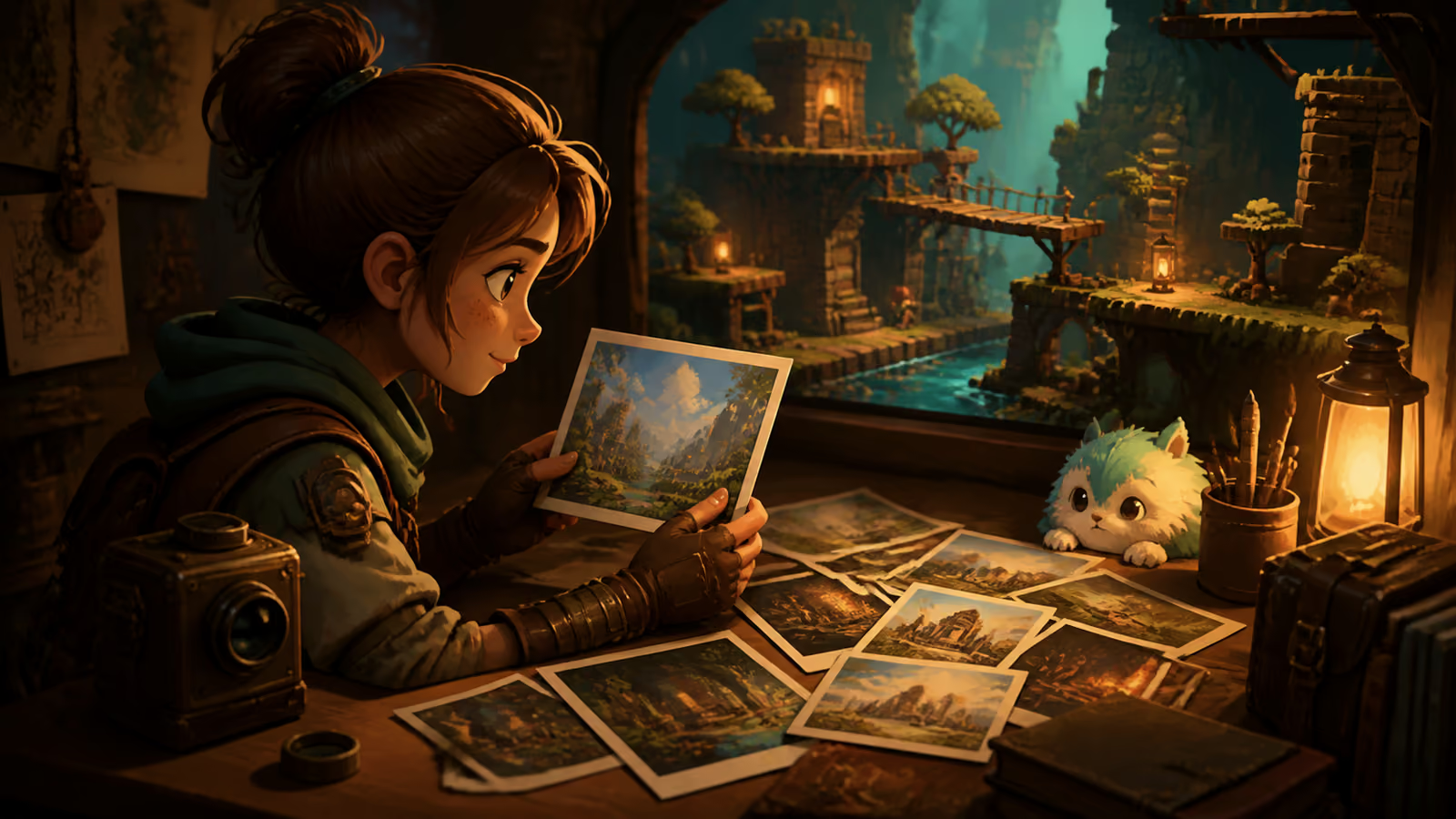
Three photographs, and the good ones are almost never the ones people send first.
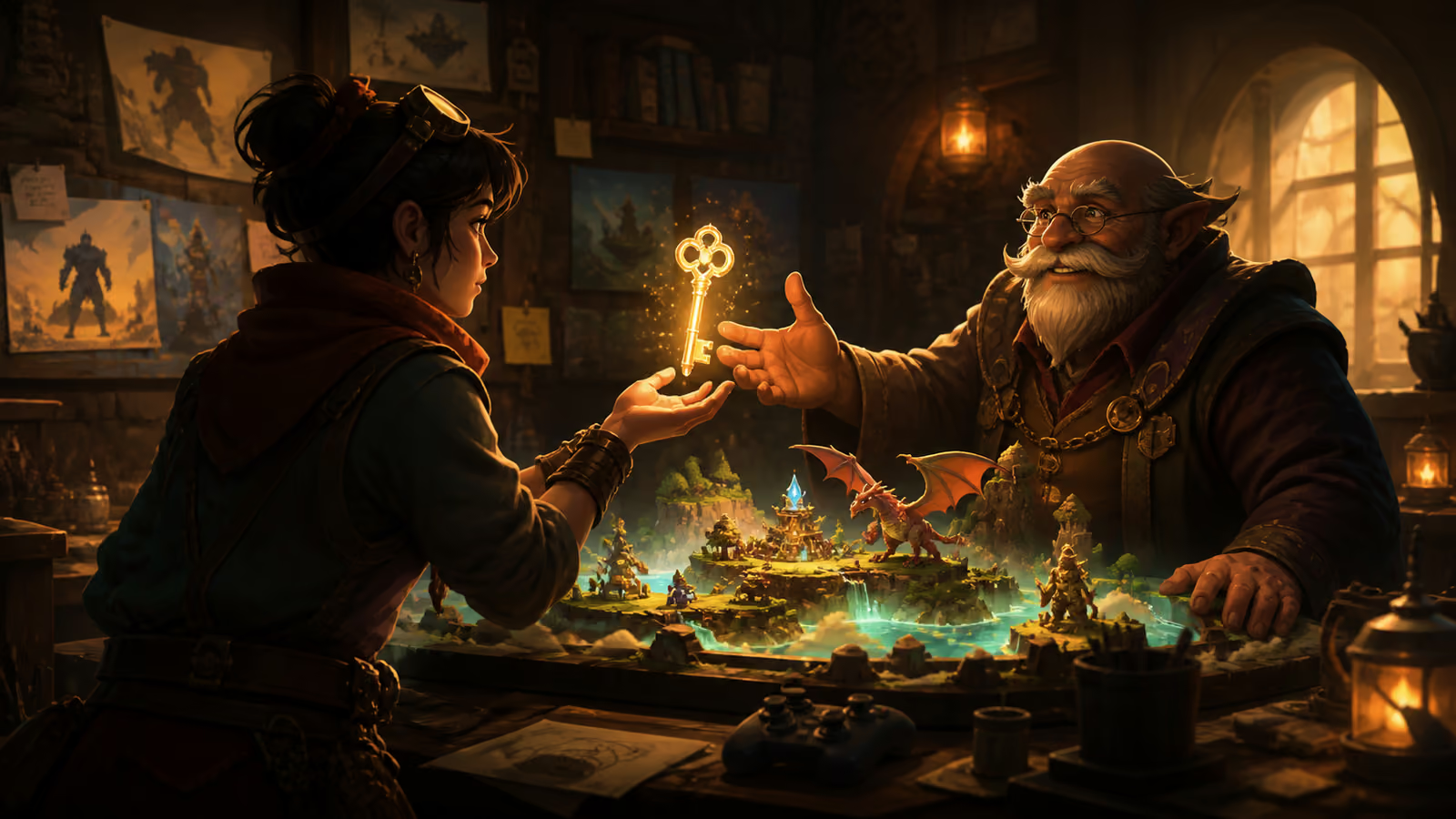
The build is yours to keep, share and replay. The reason that is true is the file format.
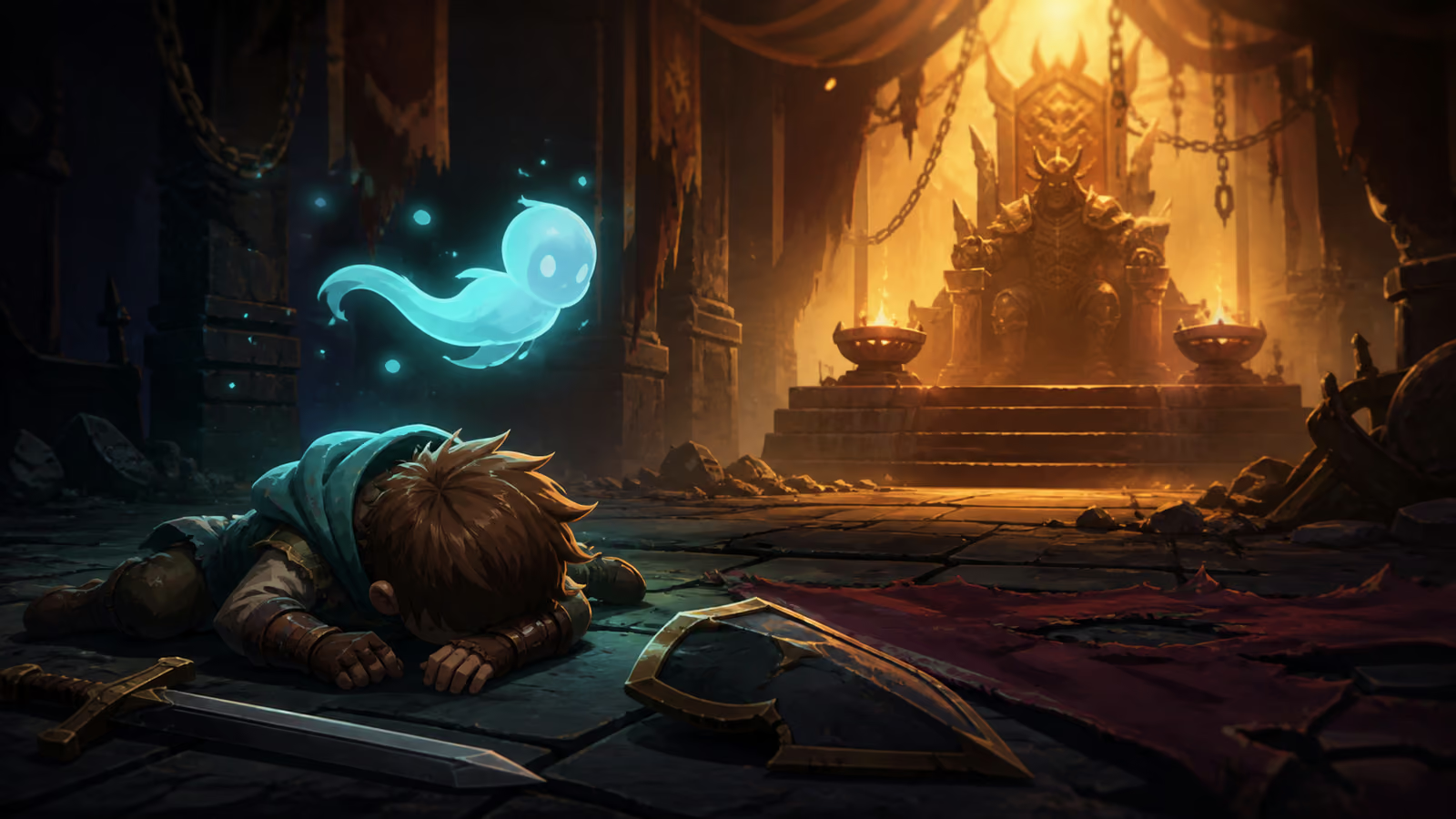
Our gentlest difficulty has no way to lose at all. That is a design position, not a compromise.
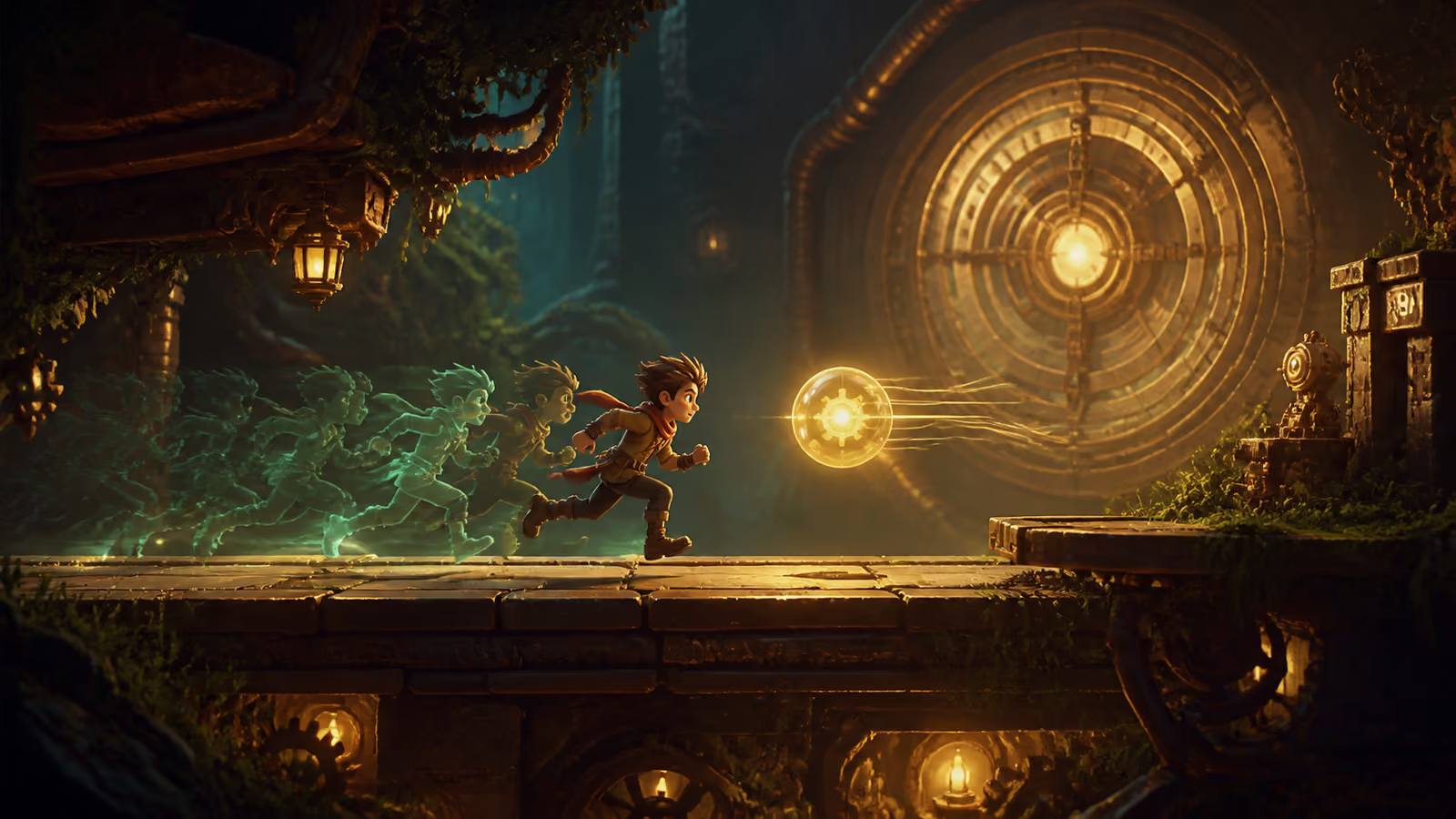
Sixty is not about smoothness. It is about the gap between pressing a button and seeing something happen.
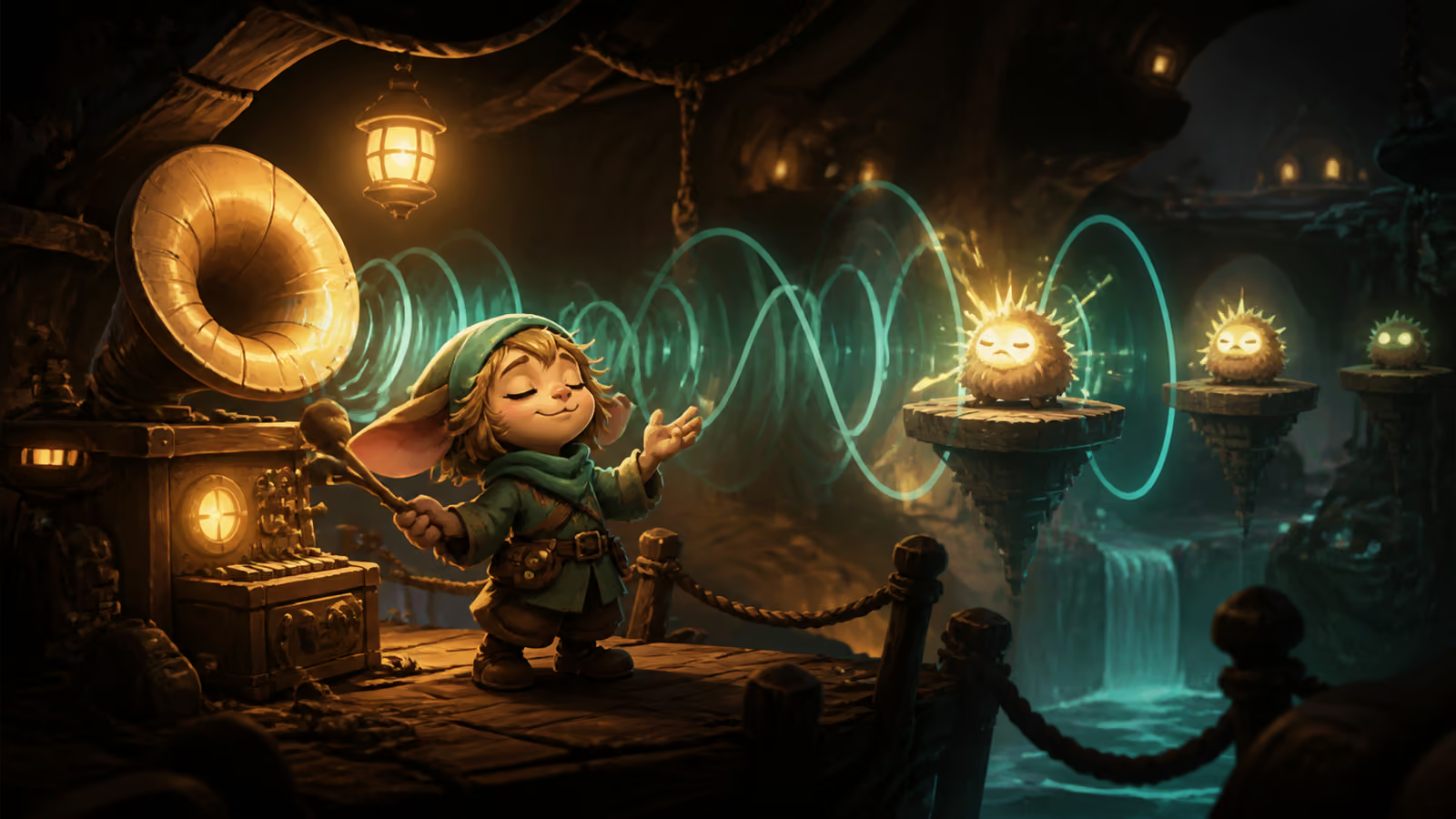
Collect one coin and it is satisfying. Collect fifty identical coins and you turn the sound off.
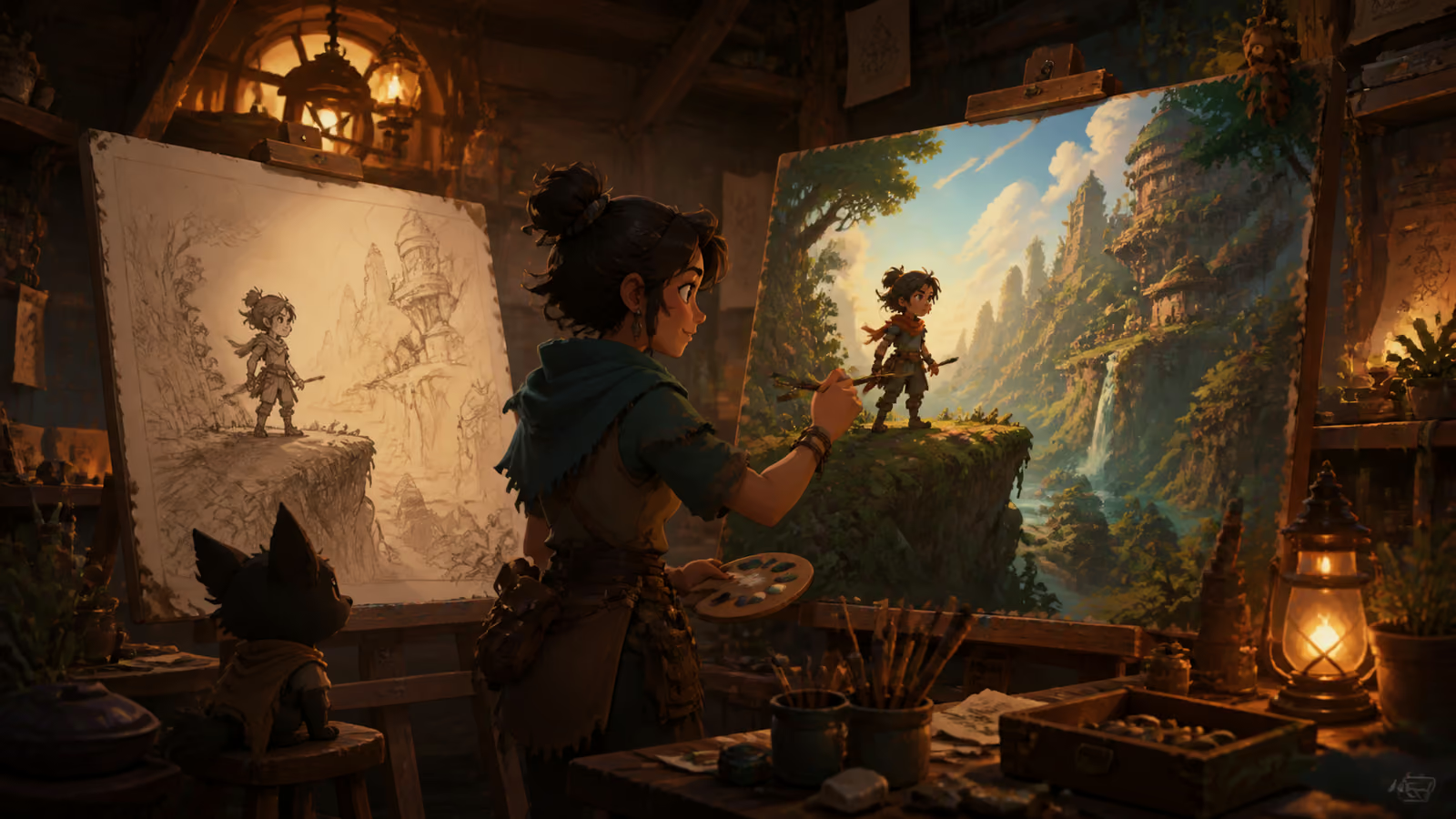
The first version of every level we build is coloured rectangles. That is not a shortcut, it is the only order that works.
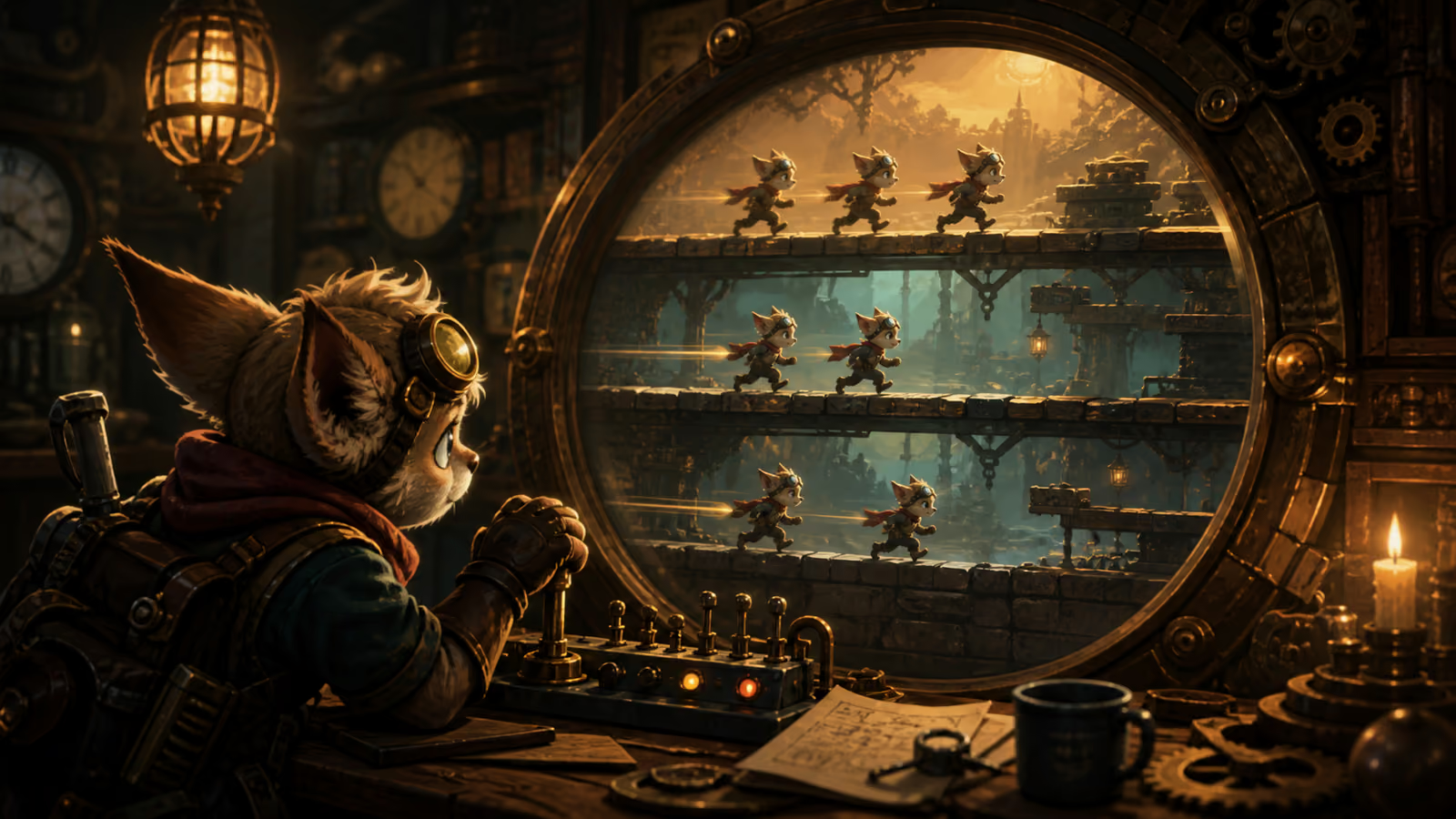
The standard advice is to scale everything by frame time. We do the opposite, on purpose, and the reason is testing.
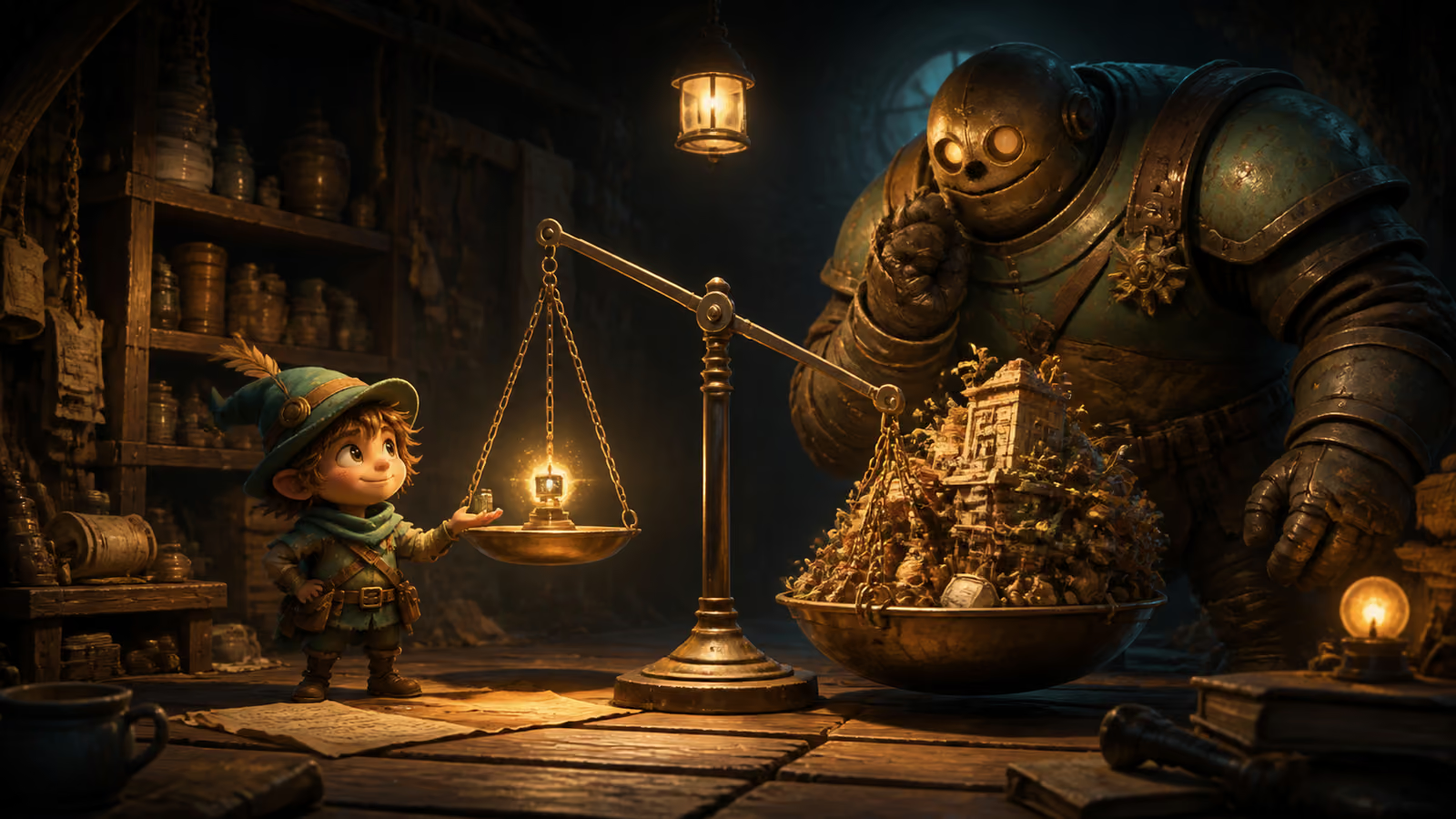
Three of our games sit at 104KB, 3.3MB and 20MB. The difference is not quality. It is a decision made early about where the art comes from.
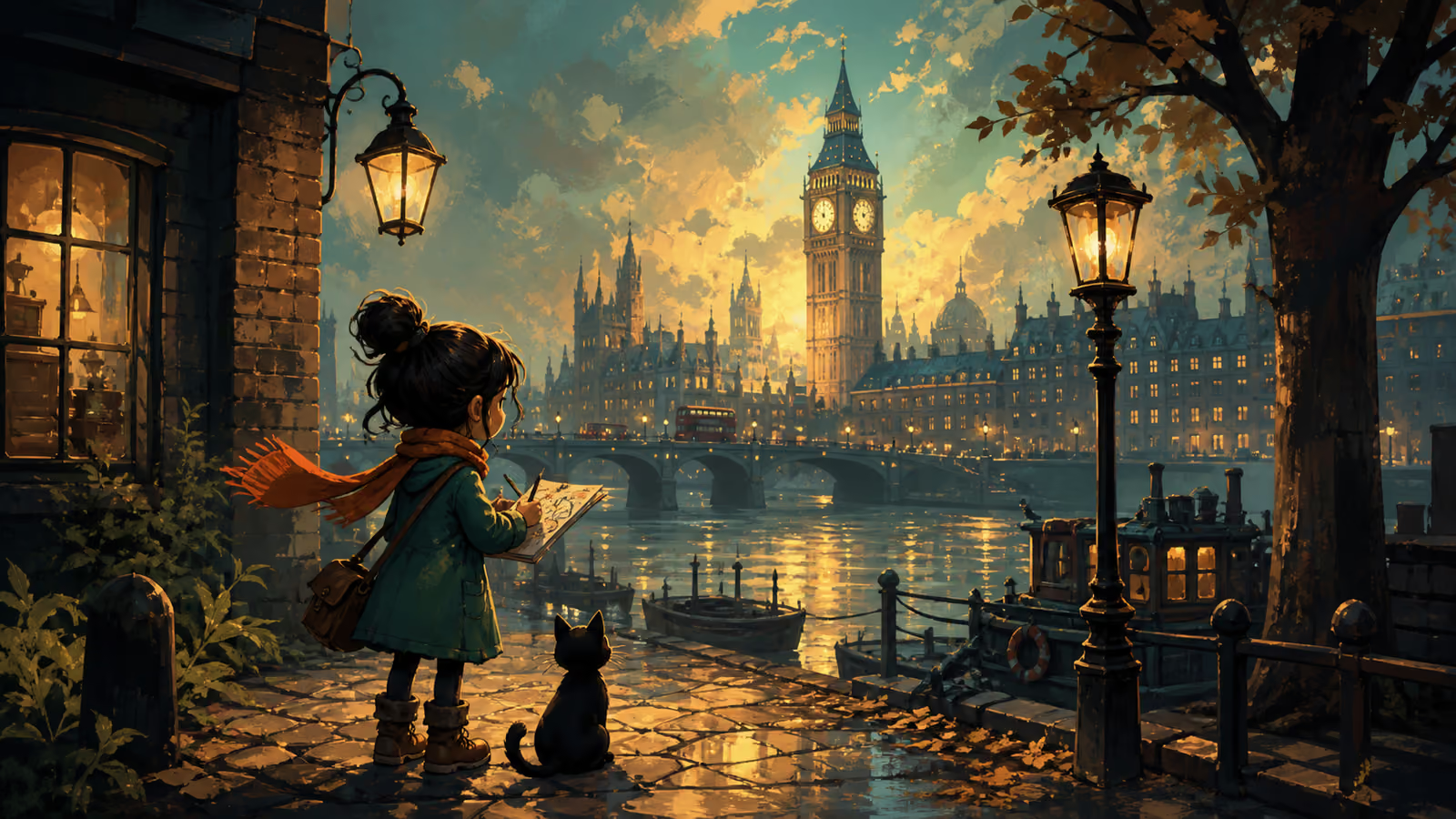
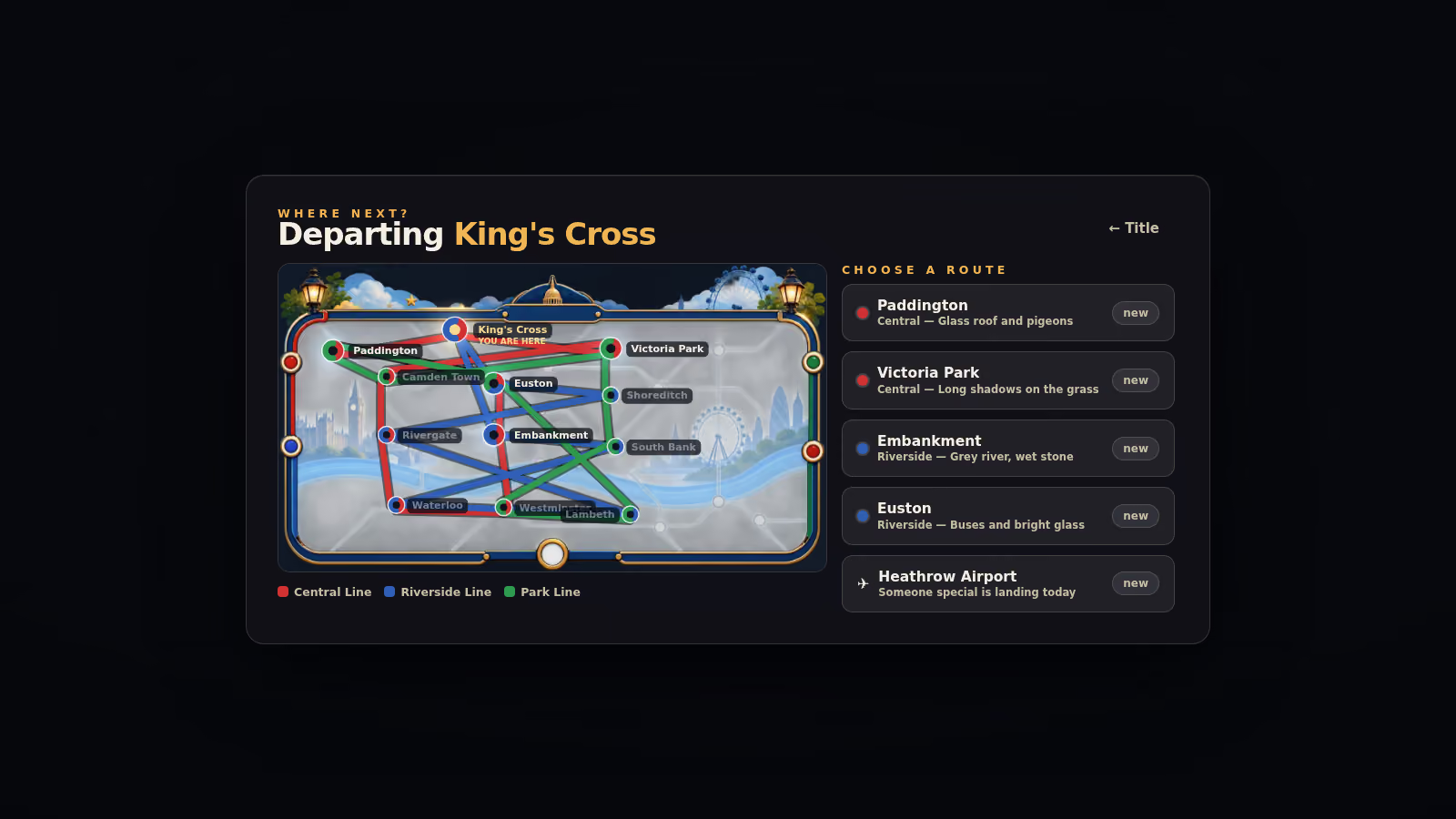
Twelve tube stations, three lines and a flight to Cape Town, in one HTML file. The problems that had to be solved, in the order they turned up.
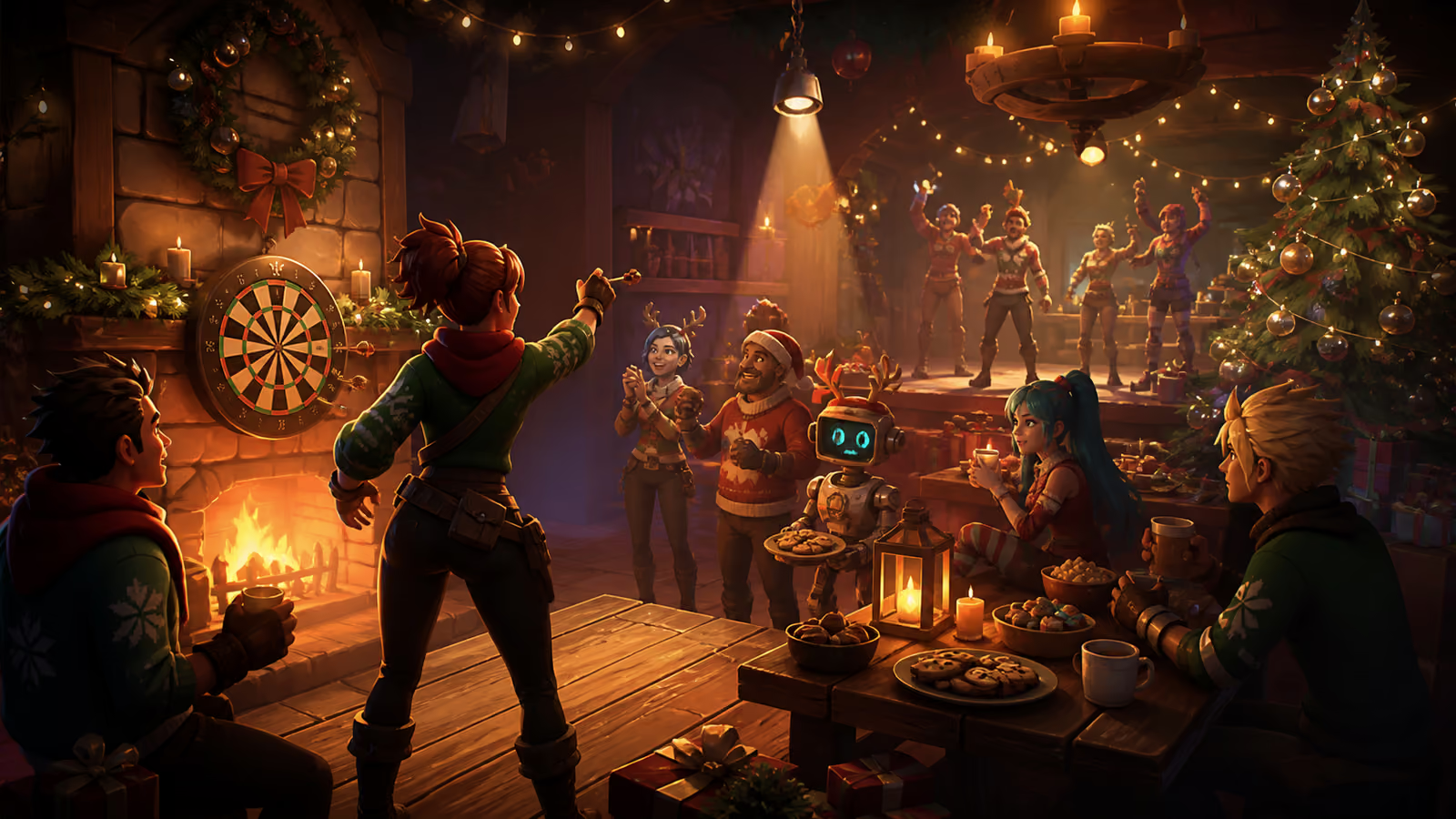
The work Christmas party is the one event nobody chose to attend. Entertainment that survives a booked venue, a bar and a room of colleagues.
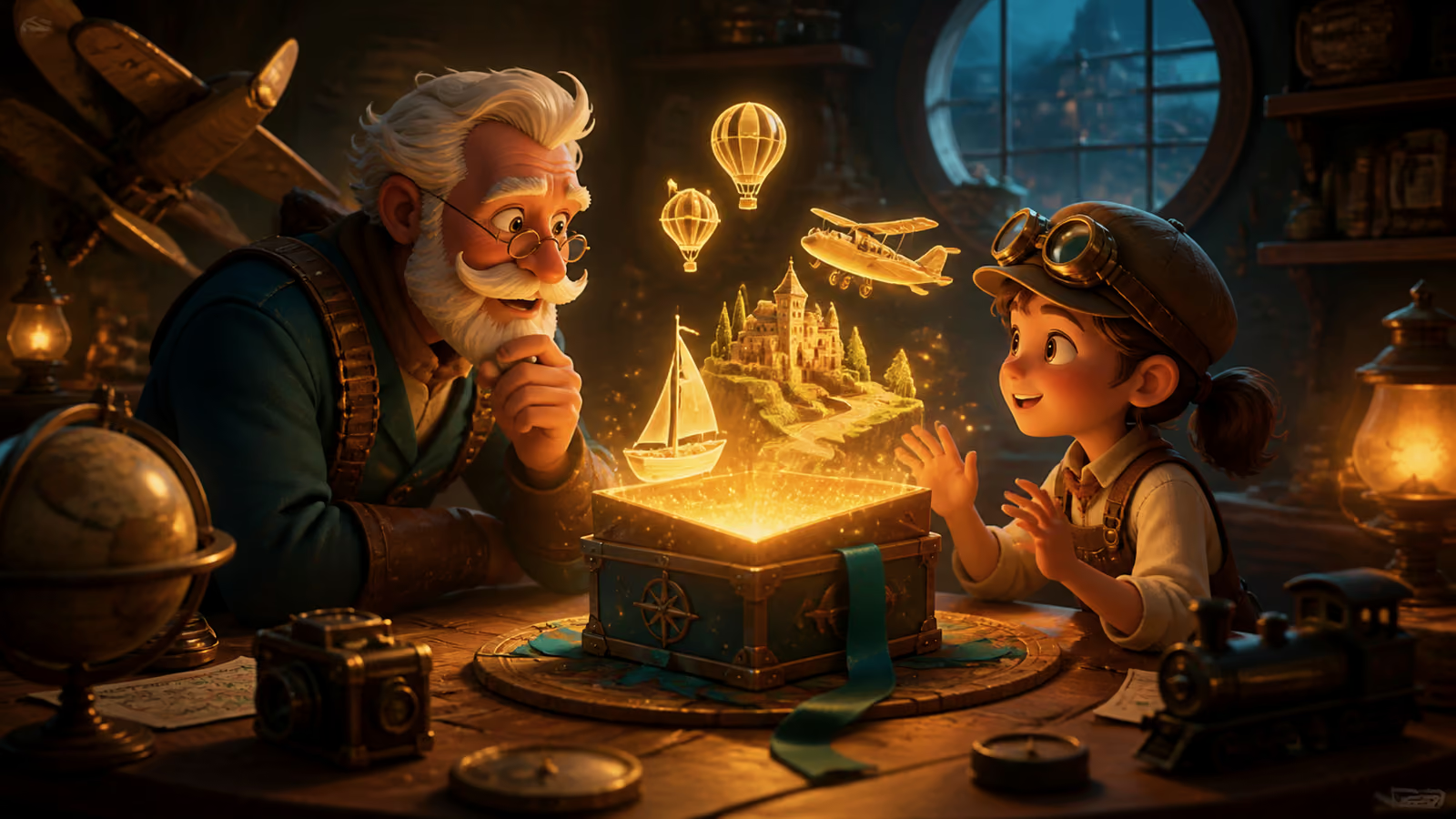
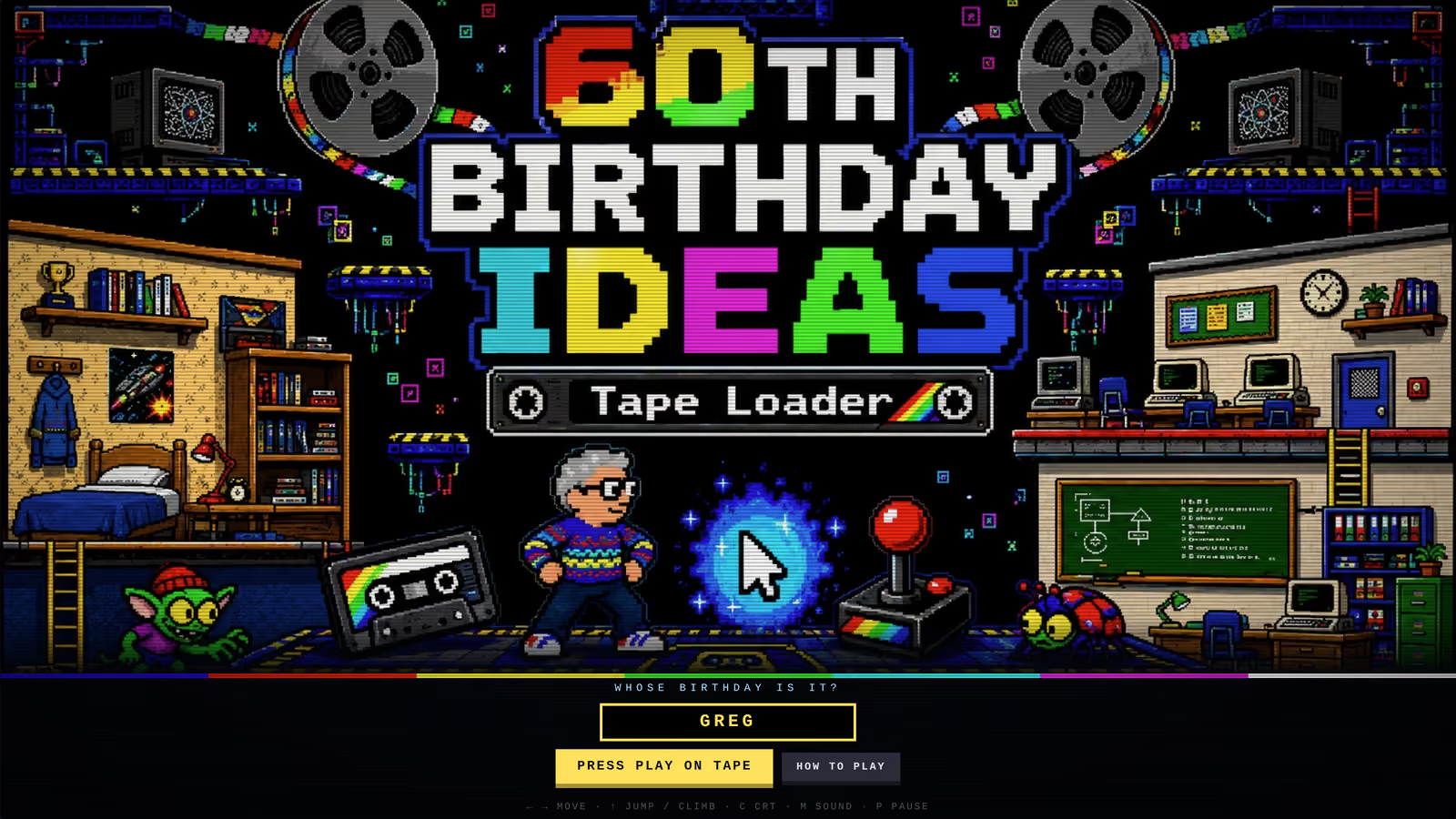
Tape loading, typed-in listings and Manic Miner. For the generation who did not just play the games, they made the machine work.
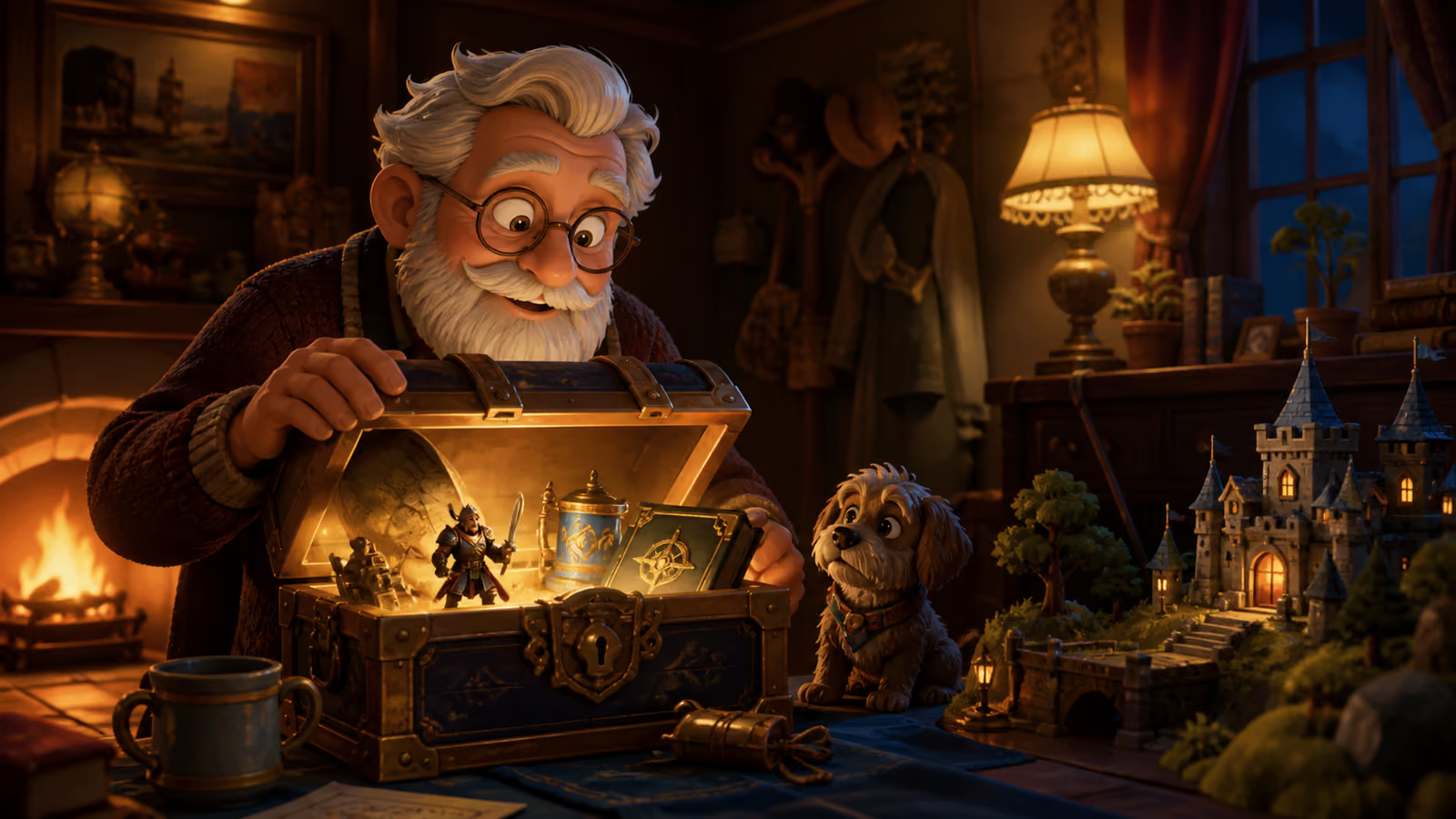
Pong in the pub, Space Invaders on holiday, Pac-Man at the seaside. For the generation who met video games out in the world rather than at home.
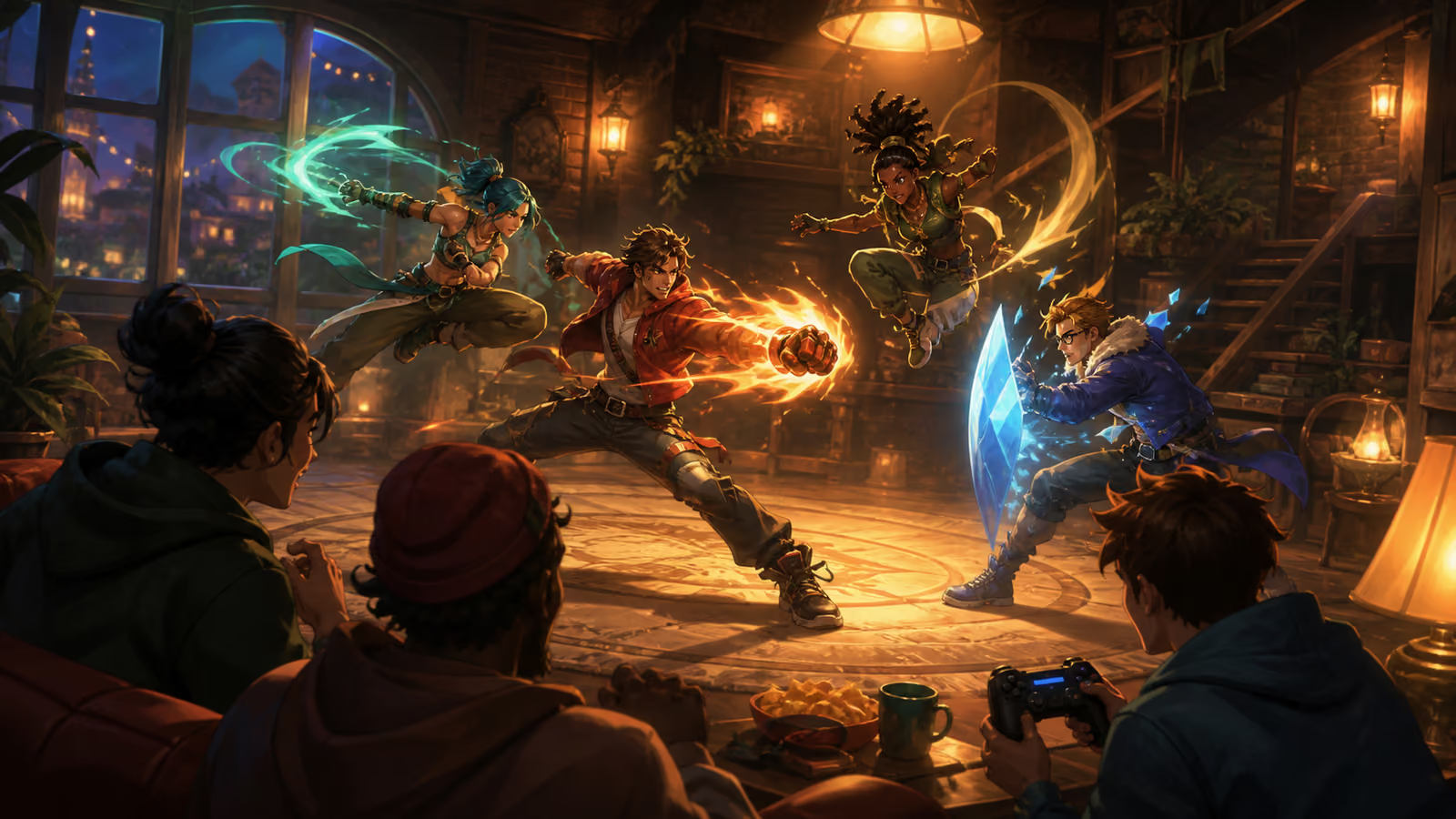
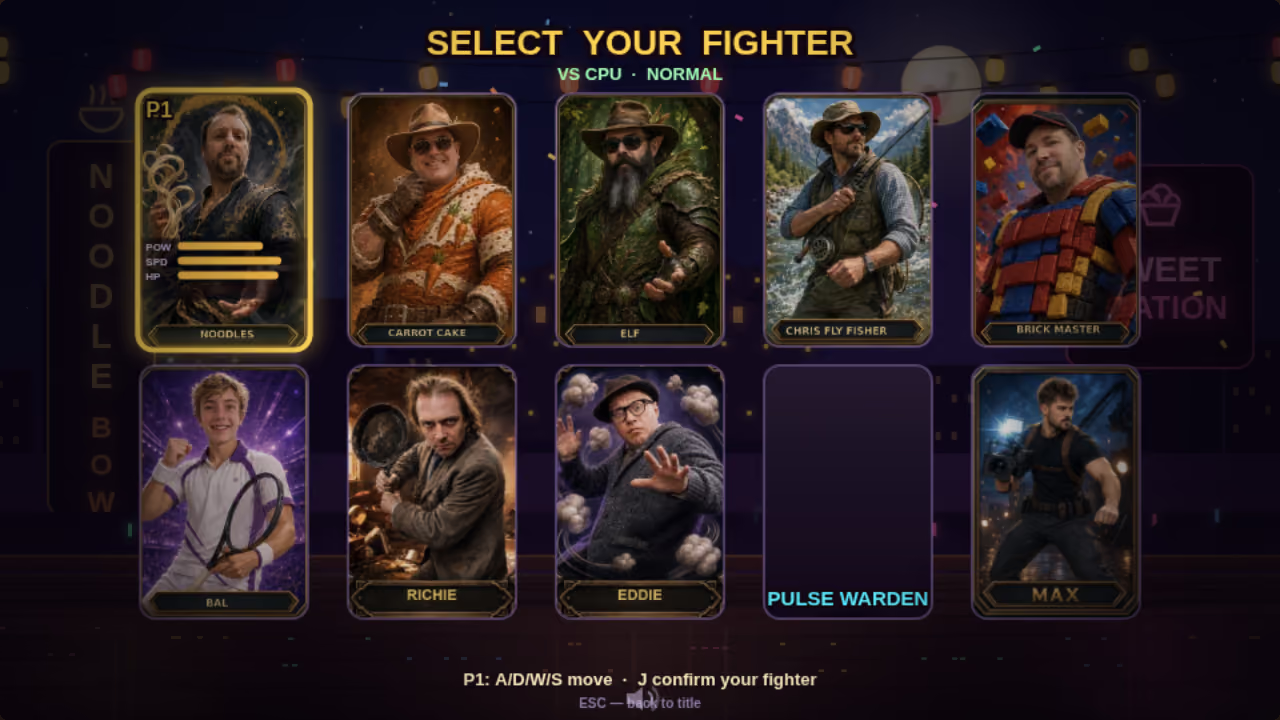
Every friend group is secretly a fighting game roster. The moves, the taunts, the ancient rivalries. Here is how the group chat becomes a hand-painted fighter.
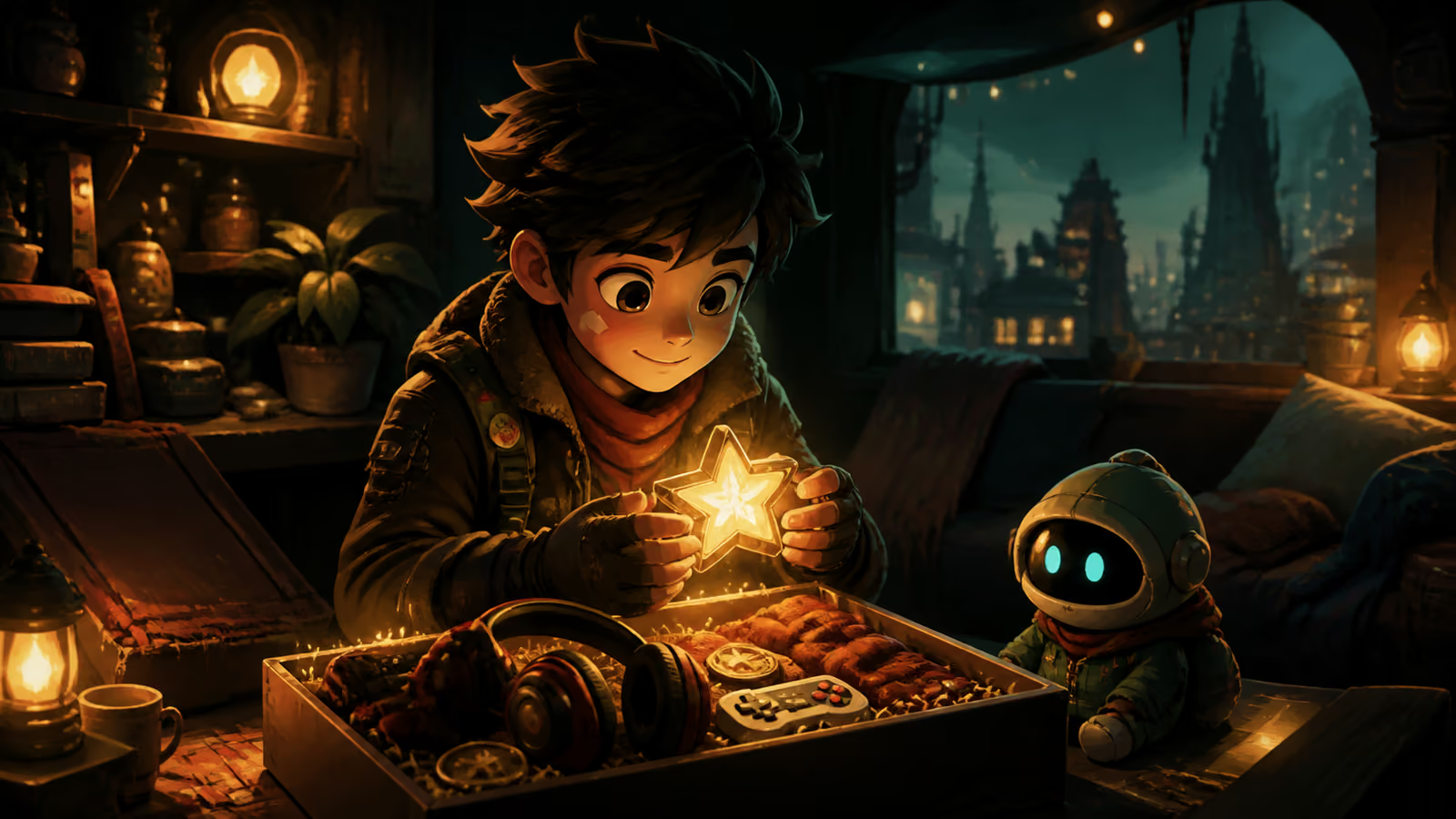
For the person who still remembers exactly where every 10p went. Gifts that respect the obsession instead of gesturing at it.
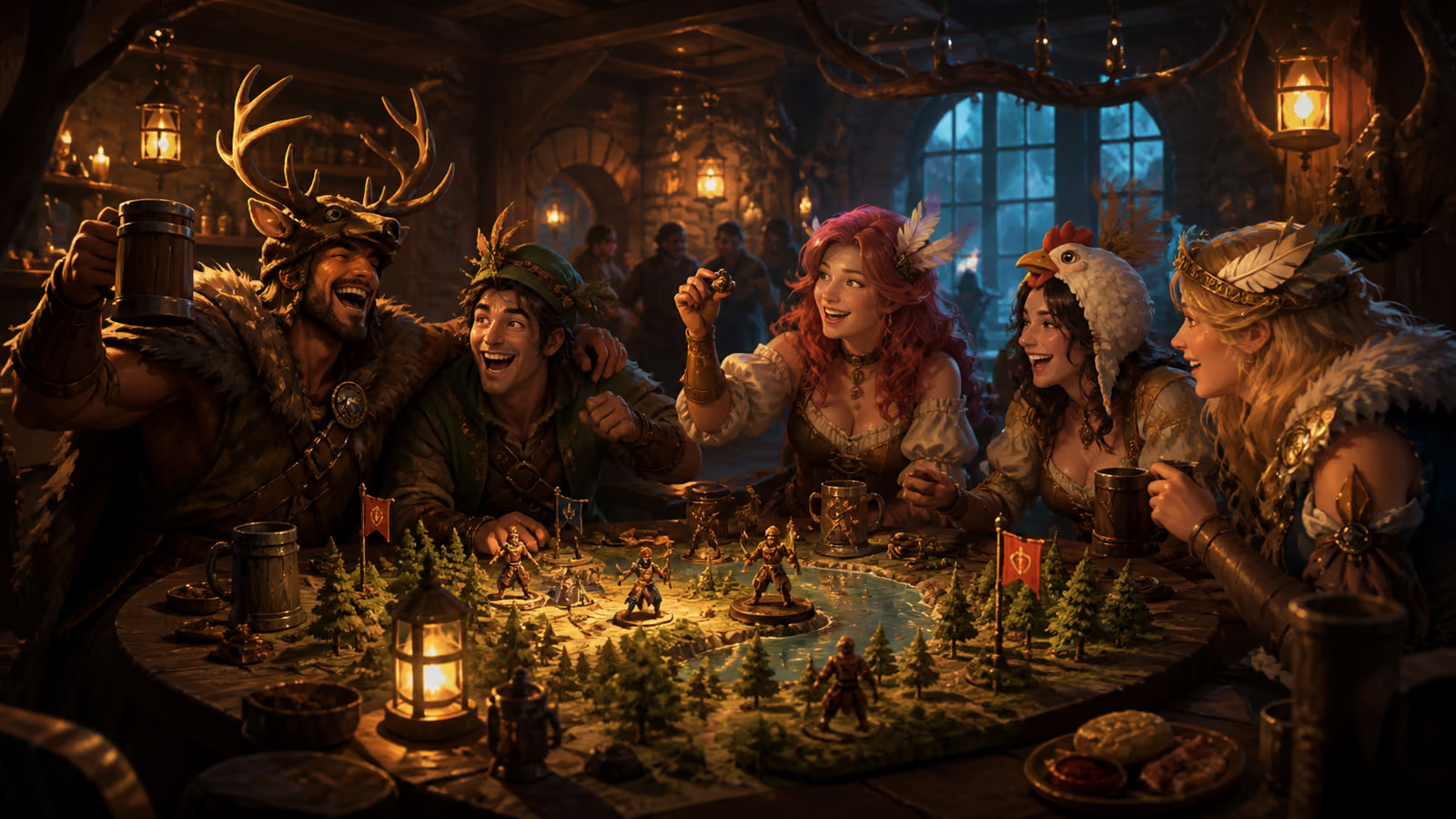
Not everyone wants a flight, a forfeit and a group chat meltdown. Ideas built around your actual friends rather than a package.
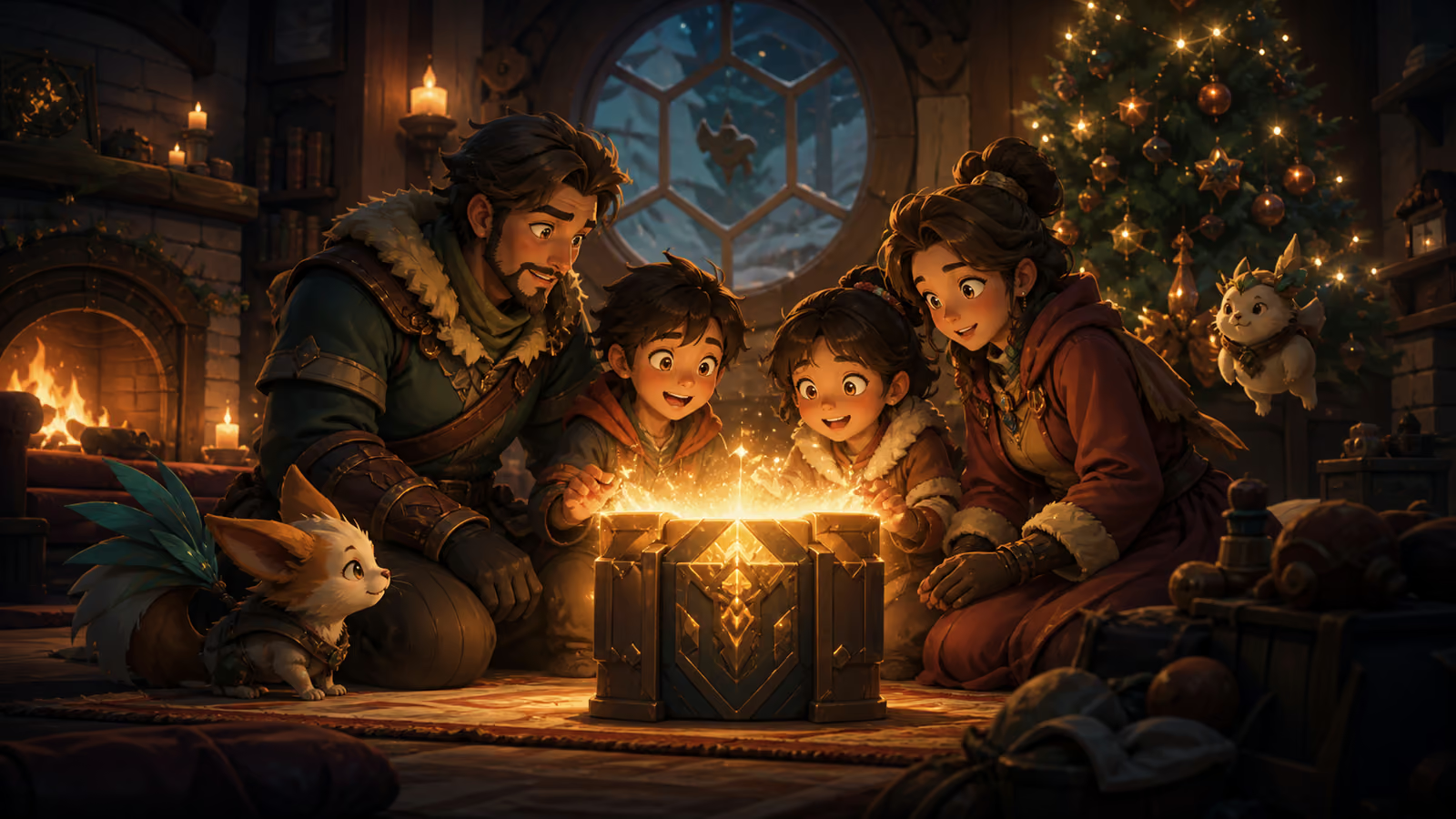
Instead of adding to the pile, one gift the whole family actually shares. What works, what gathers dust, and why.
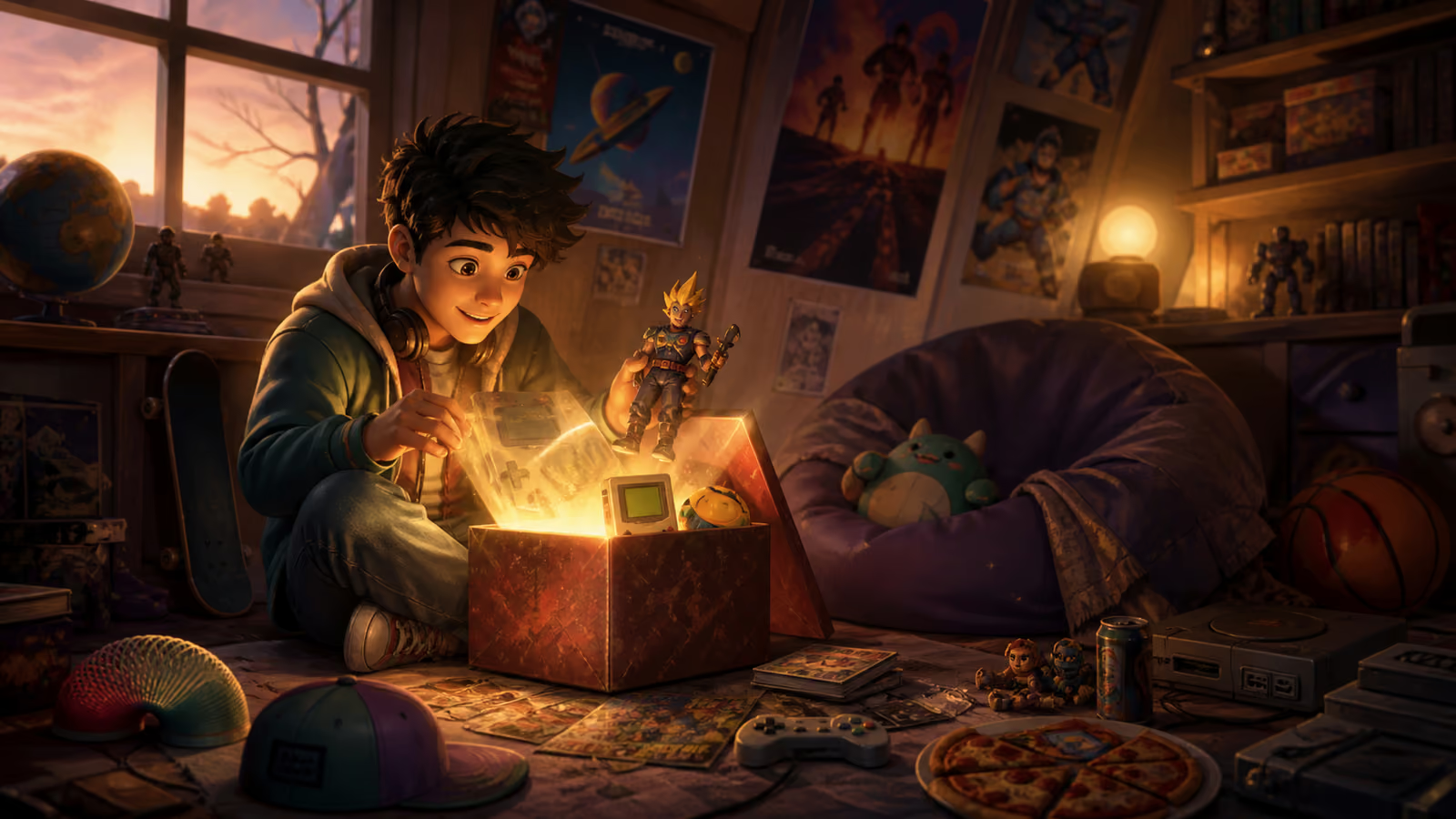
Cartridges, cover discs and taping the chart off the radio. Gifts for the 90s childhood that go further than a novelty tin.
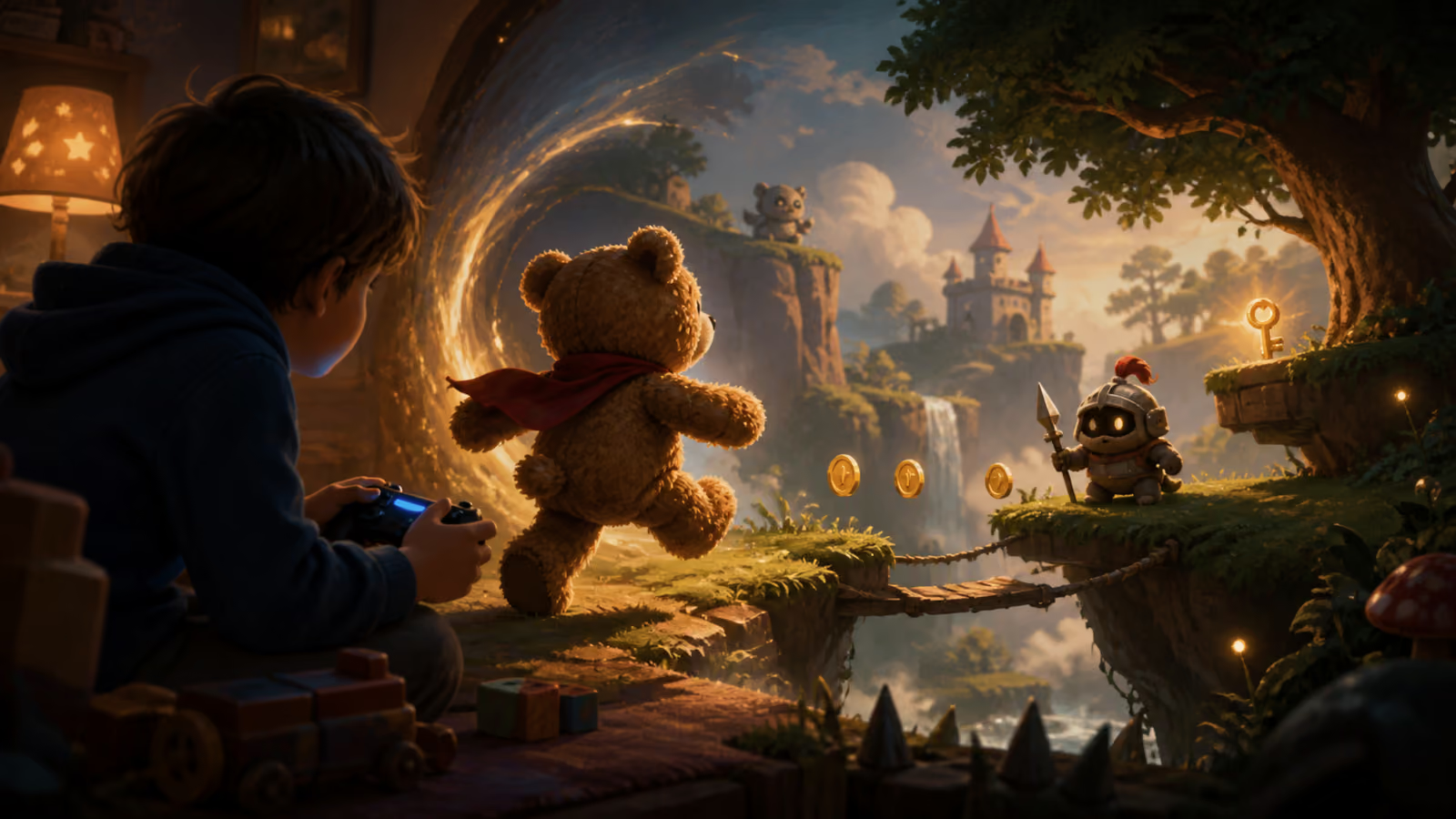
There is a particular face a child makes when their own teddy walks onto a screen. How a toybox becomes a hand-painted platformer.
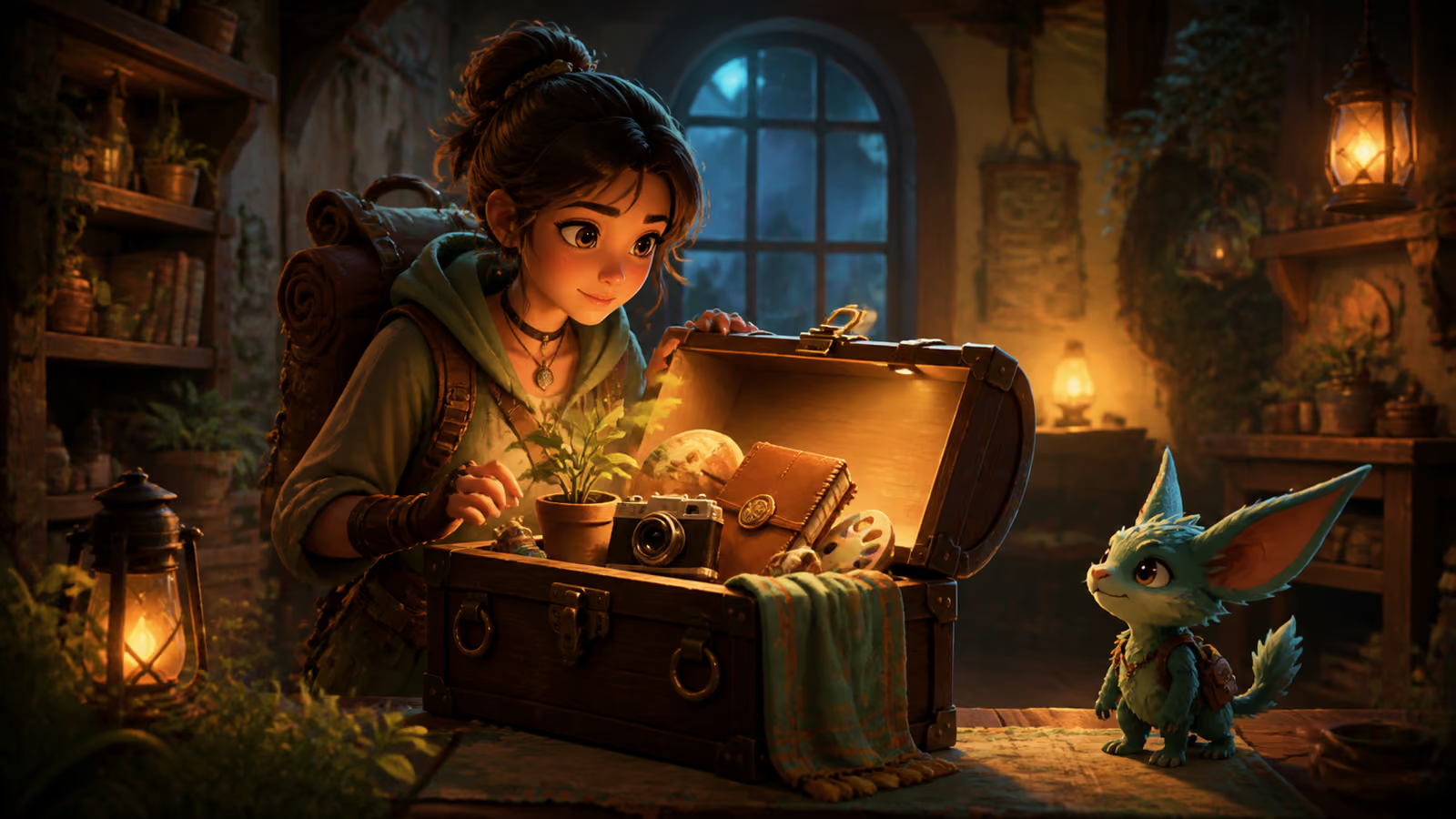
Eighteen is the hardest age to buy for, and cash has quietly become the default. What to give when you want the milestone to feel marked.
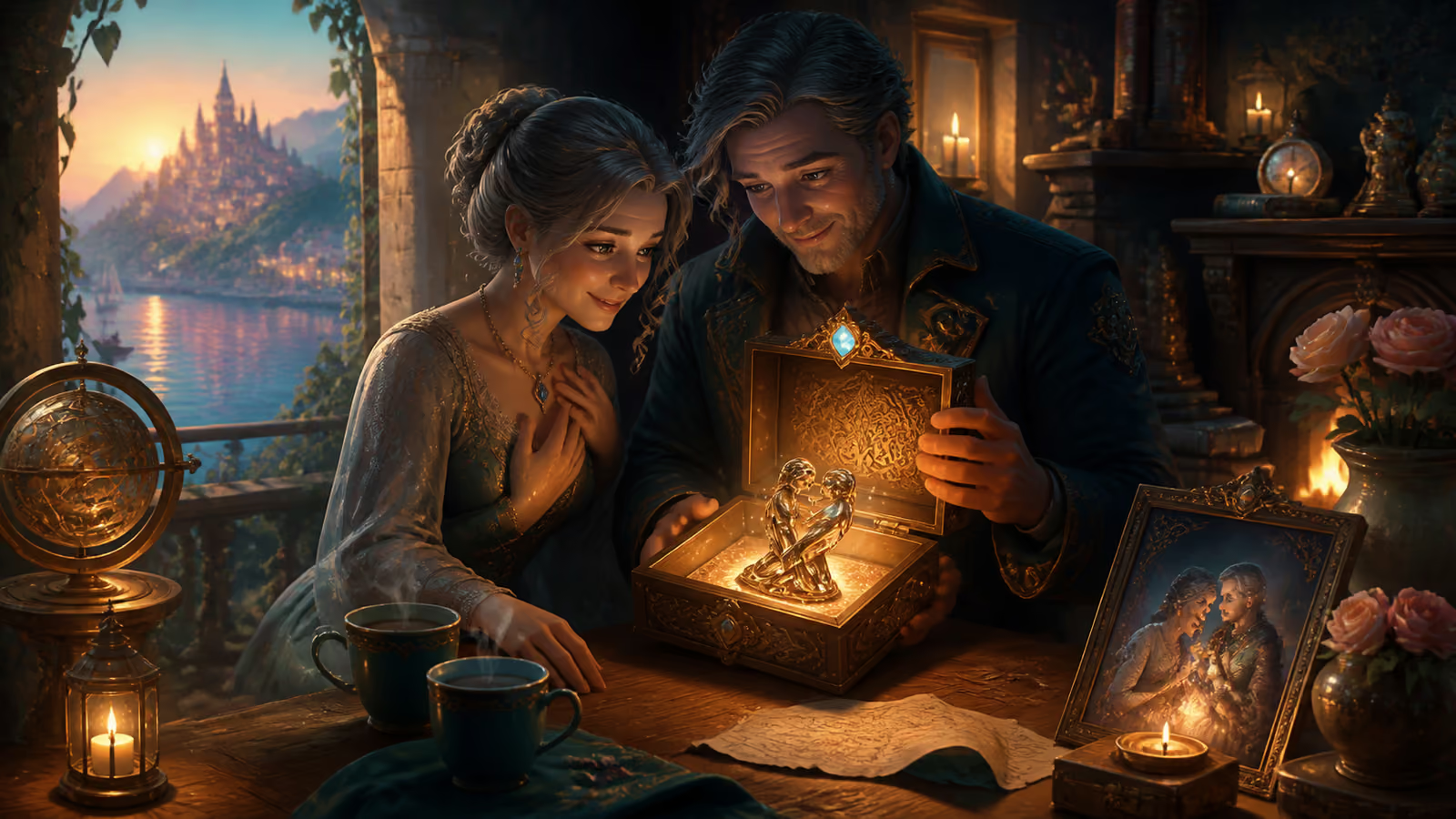
Twenty-five years in, the traditional list has run out of road. What to give a couple who have already been given everything, twice.
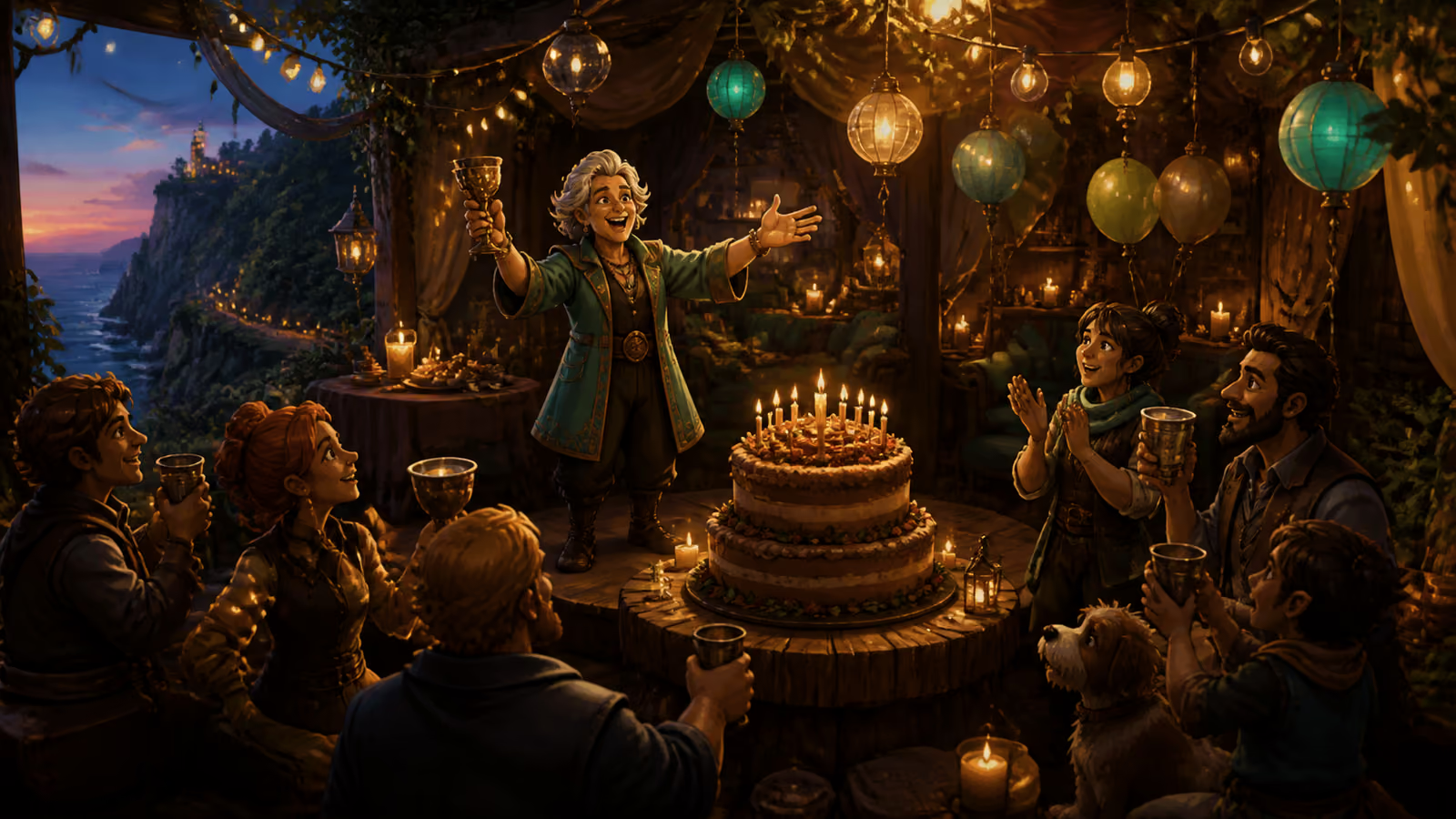
Fifty deserves better than a marquee, a buffet and a playlist from 1994. How to give the evening an actual centrepiece.
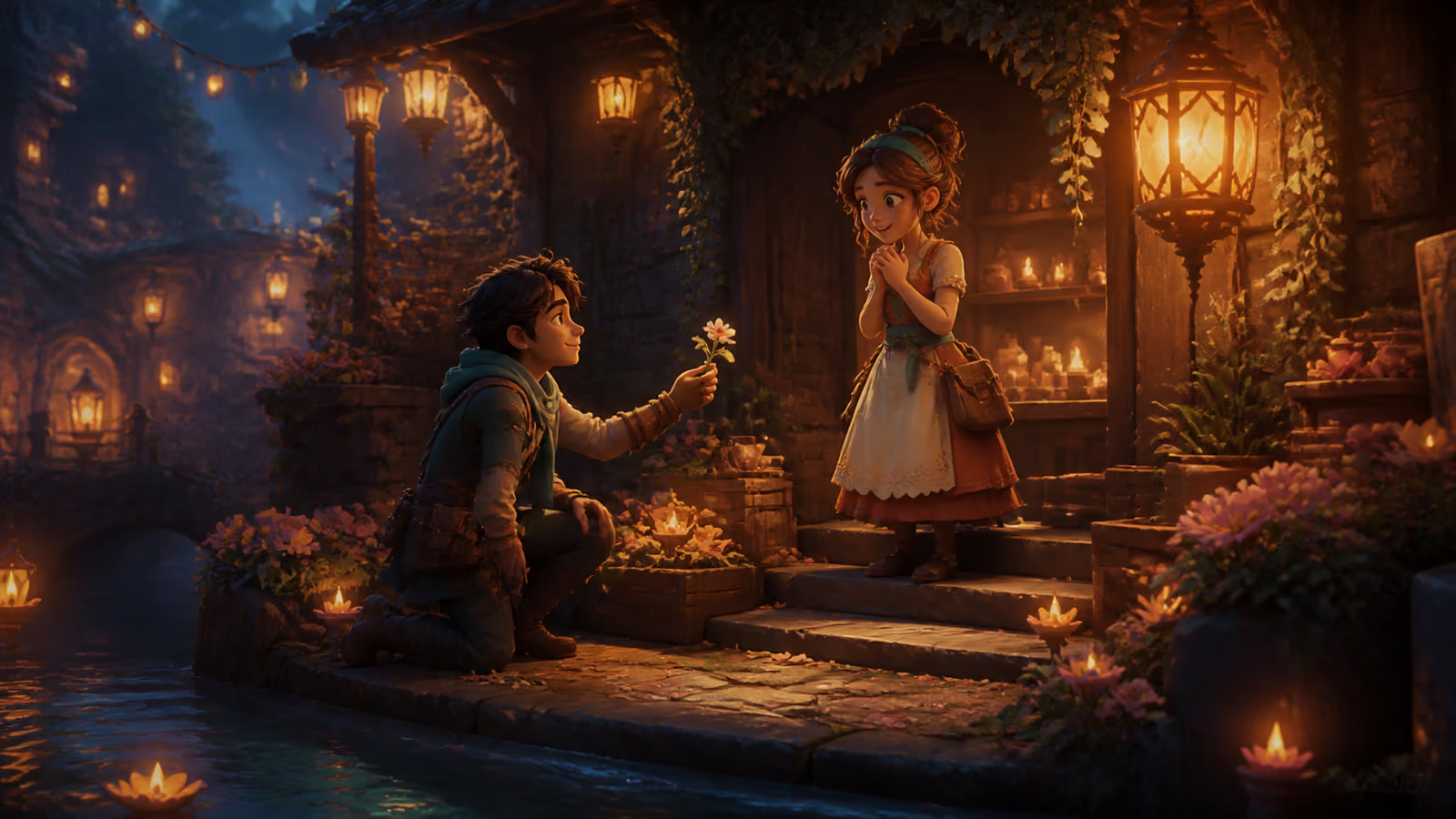
Flash mobs and stadium screens suit almost nobody. How to propose memorably without an audience.
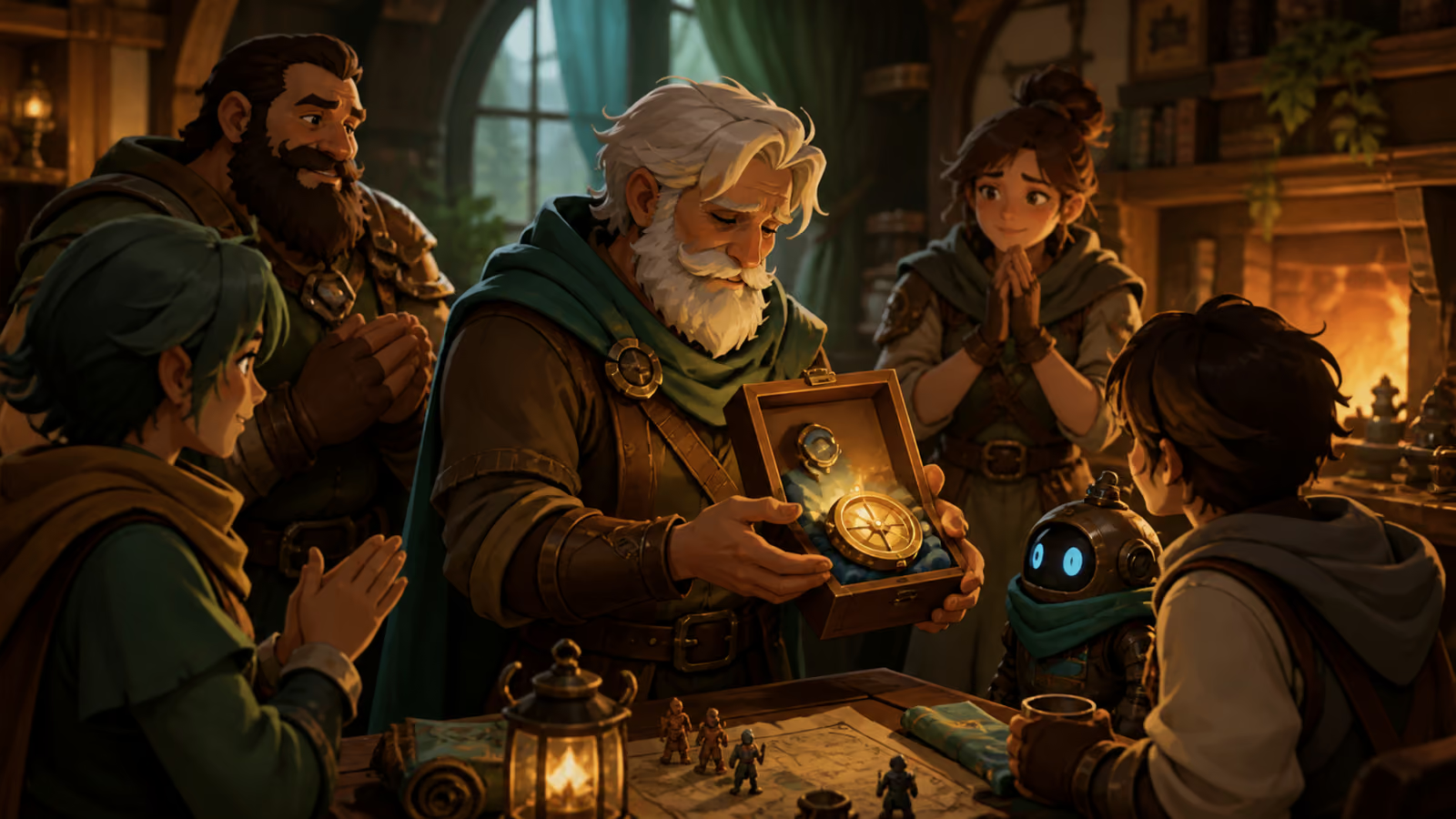
Someone is leaving after twenty years and the collection has raised £340. What to do with it that marks a career rather than a leaving date.
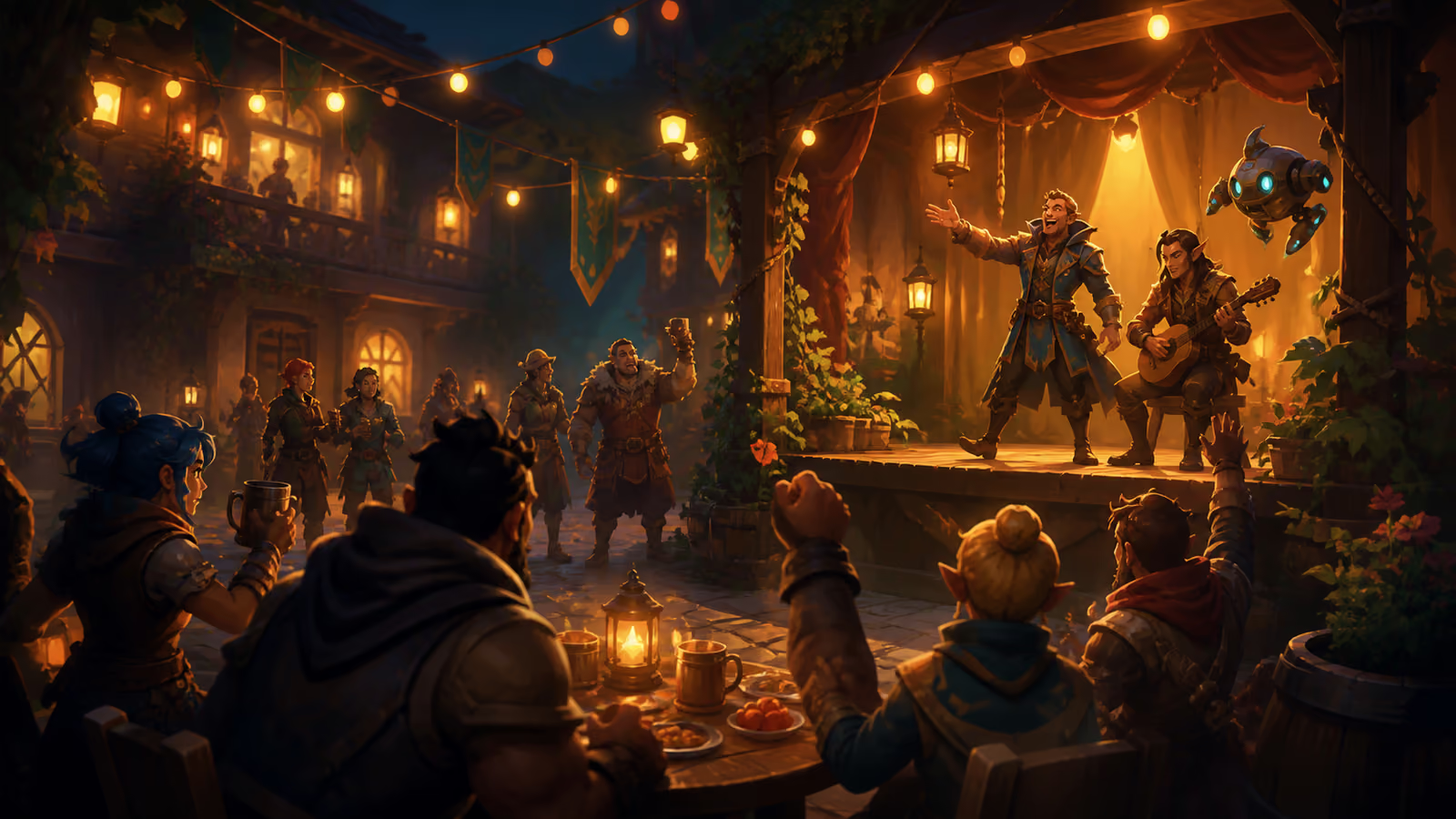
Ideas for company milestones, launches and team celebrations that work on a mixed and partly reluctant audience.
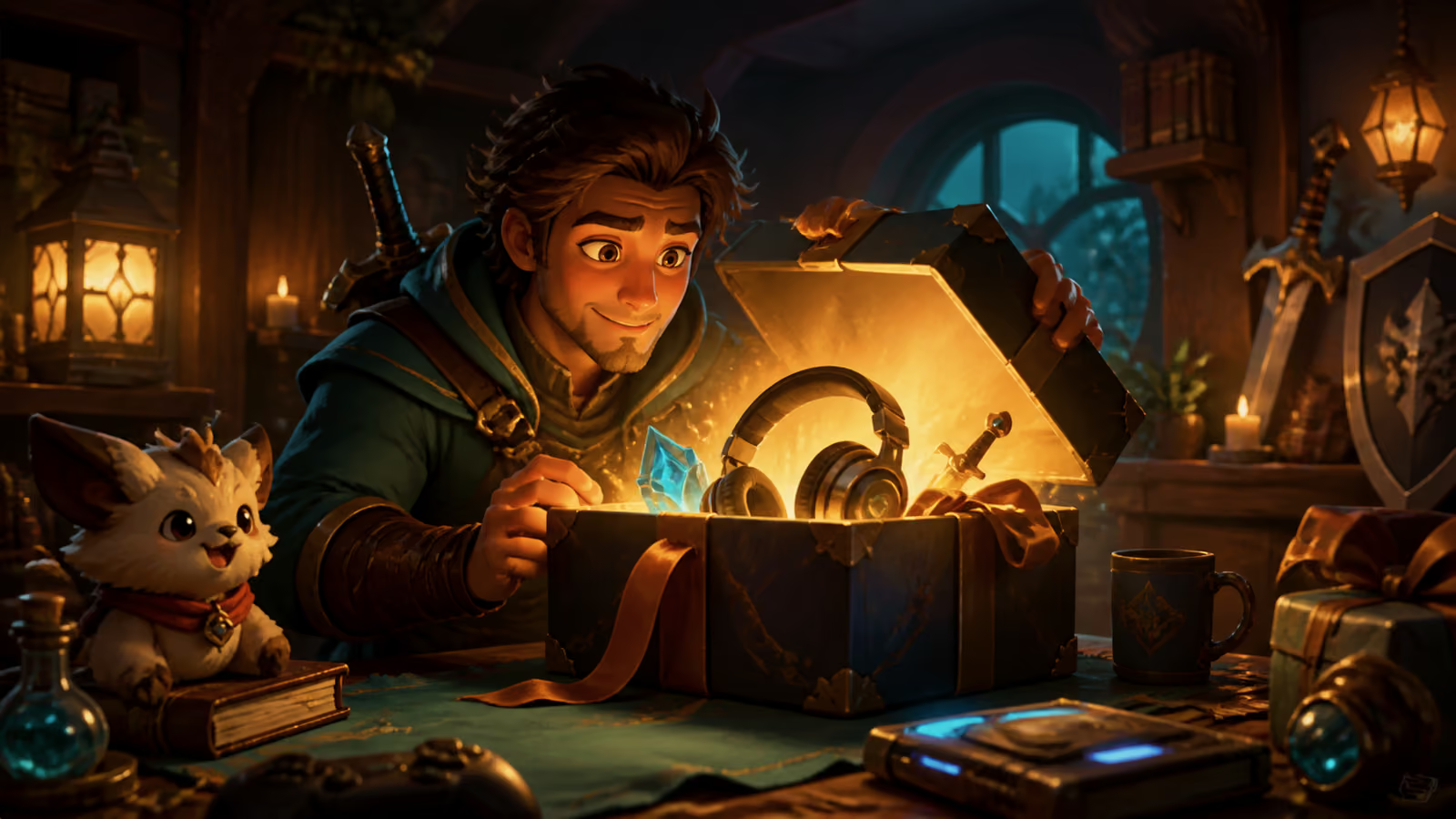
They already own everything on Steam and finished it in a weekend. What to give someone whose whole childhood was a controller.
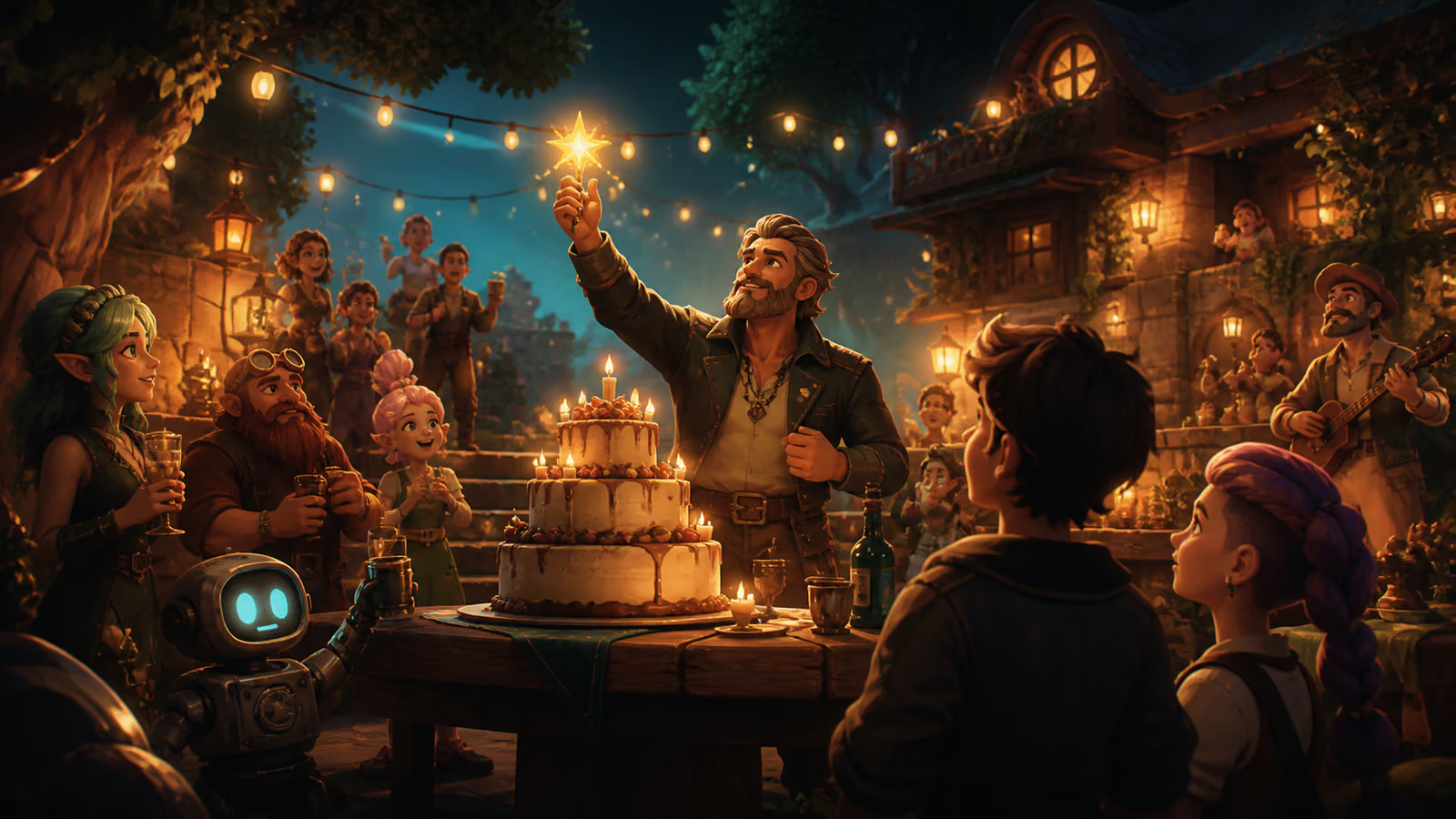
Most fortieths are a room, a bar and a playlist. What to add when you want the party to have a centre rather than just a venue.
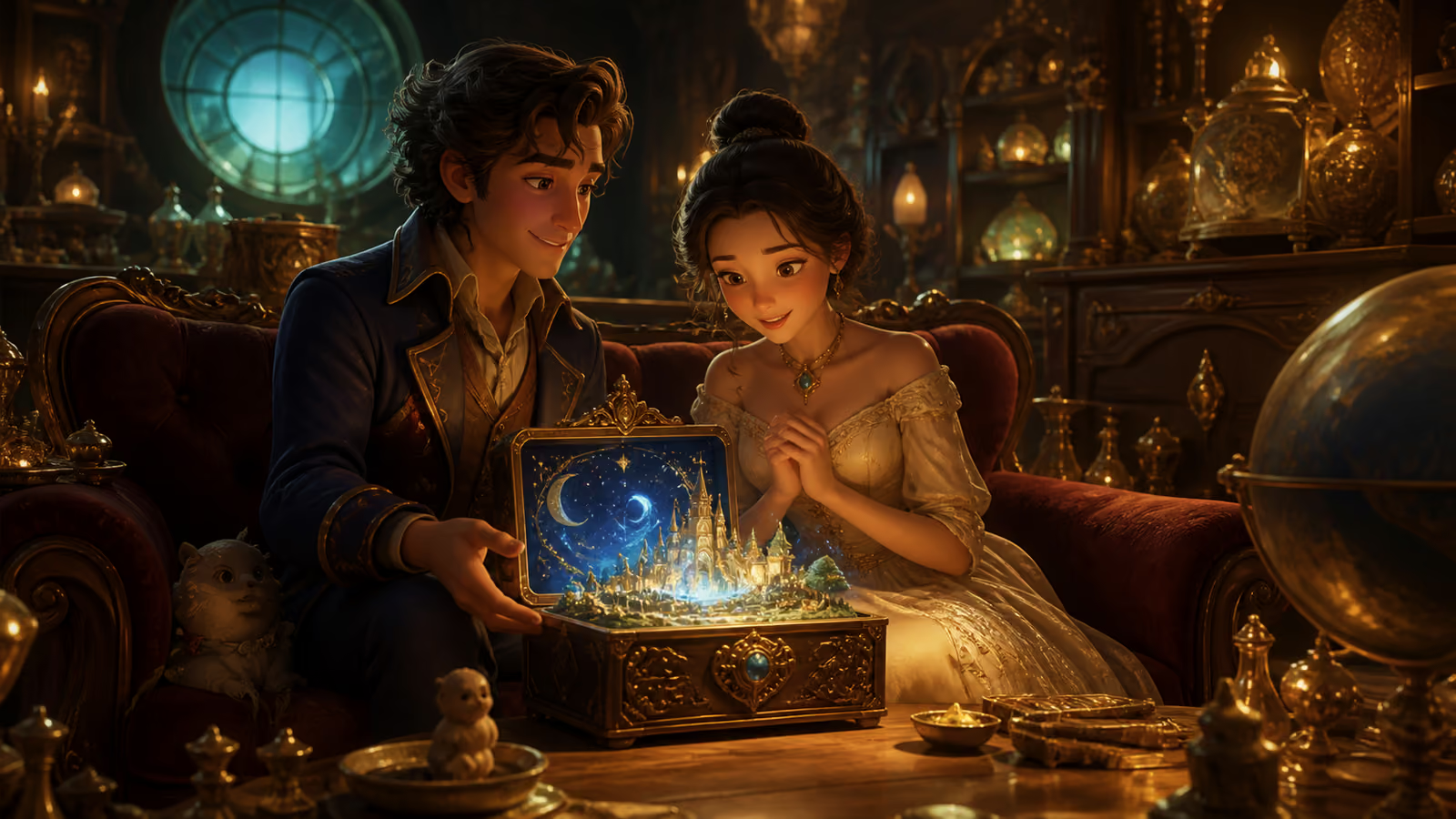
They have lived together for six years and the gift list is all tumblers. What to give when the couple genuinely need nothing.
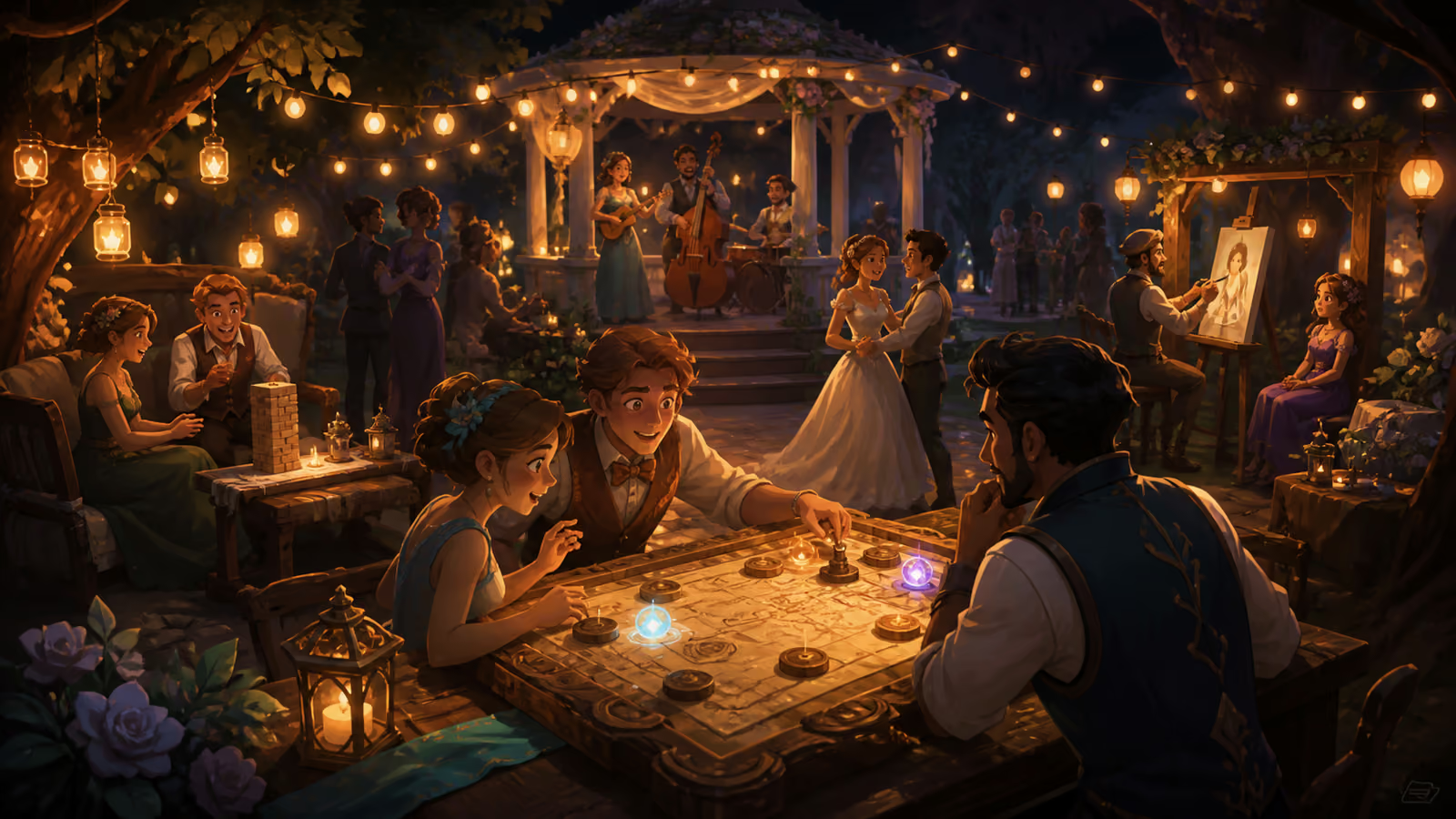
The photo booth has become the default, and it shows. Better ways to fill the gap between the wedding breakfast and the first dance.
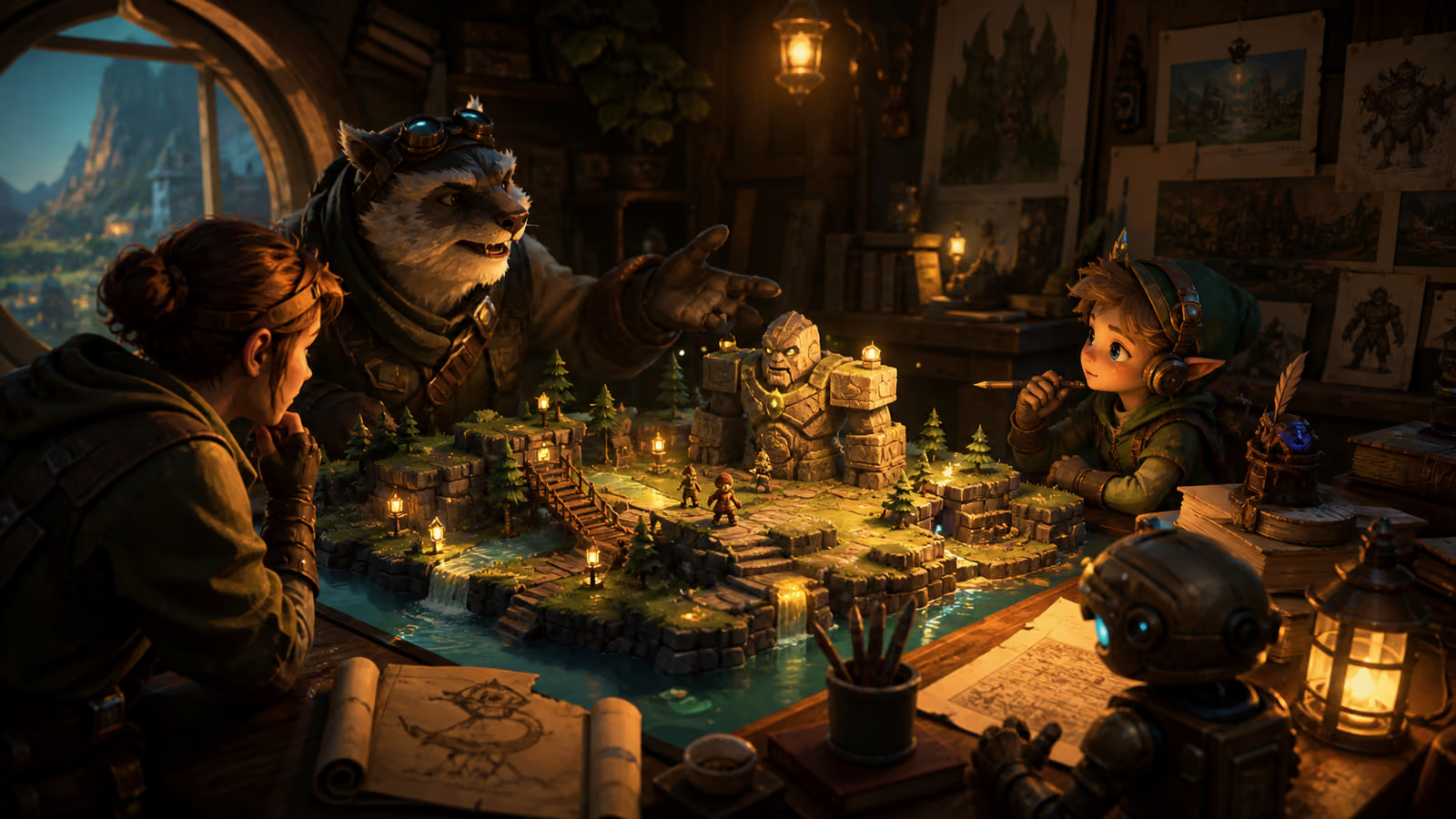
What happens between the first enquiry and the finished game, what we need from you, and the points where you get to change your mind.
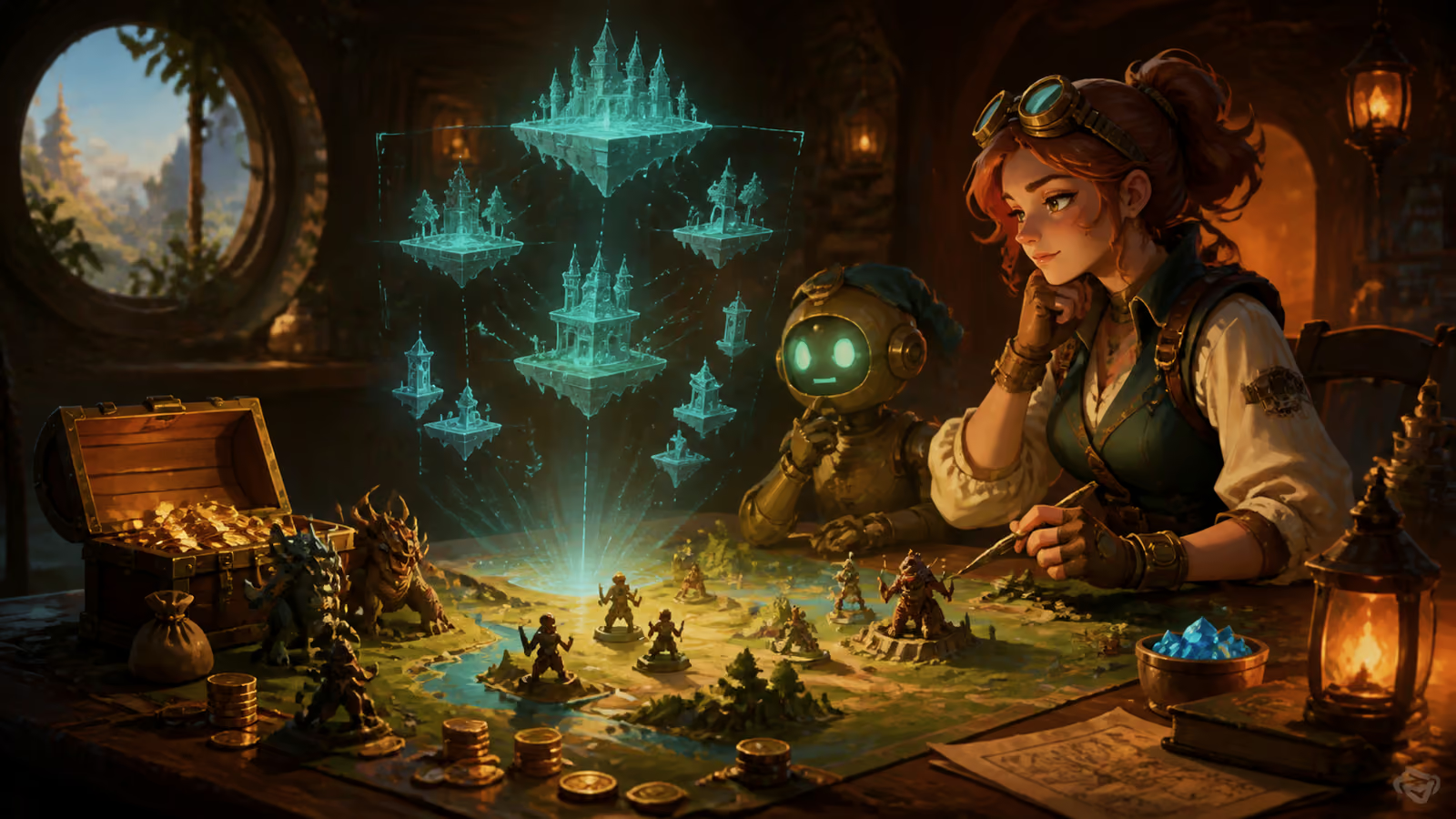
A straight answer on what a bespoke game costs, what actually moves the price, and how to tell which tier fits the occasion you are building for.