The entry tier is the one people ask about carefully, because ninety-nine pounds for something bespoke sounds either too good or too small.
It is neither. It is a deliberately narrow scope built to the same standard as everything else, and the useful thing is knowing exactly where its edges are.
What is actually in it
Five things, and they are worth taking one at a time.
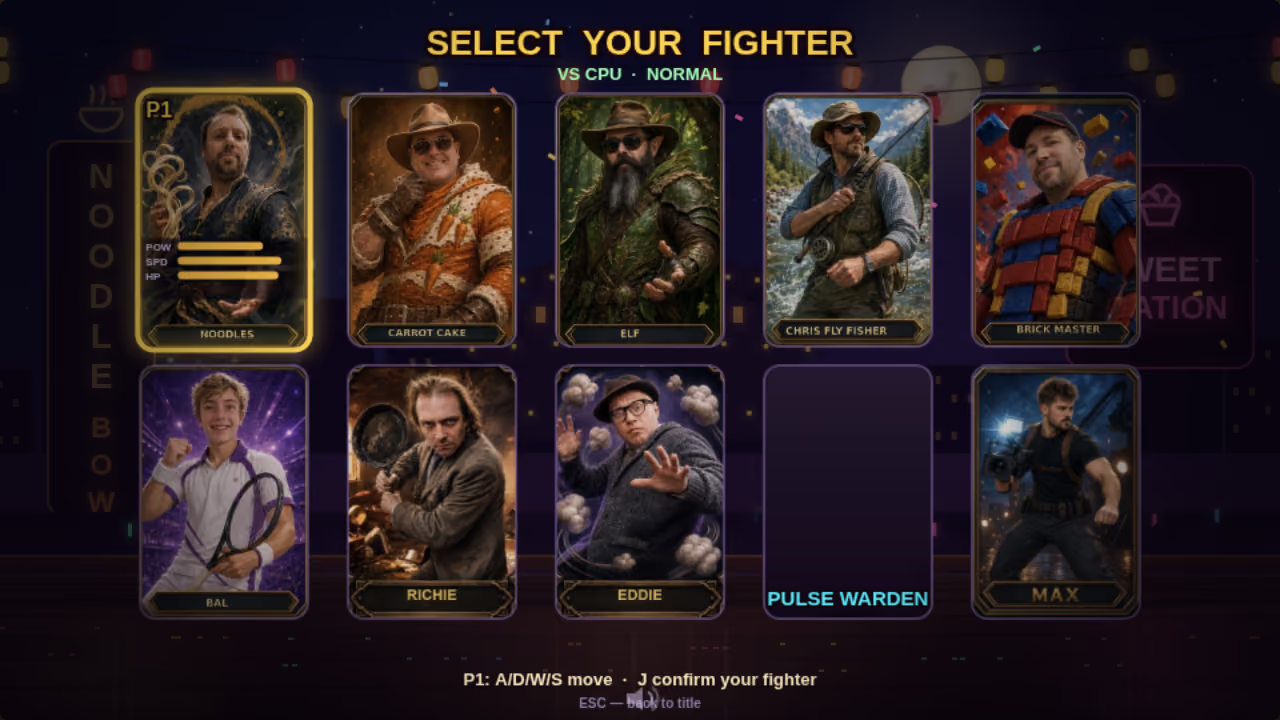
One cartoonised hero. The person the game is about, painted from photographs into the game's own style. Not traced, not a filter: painted, at the size the game needs, in the poses the game uses. How that works is in how a photograph becomes a character.
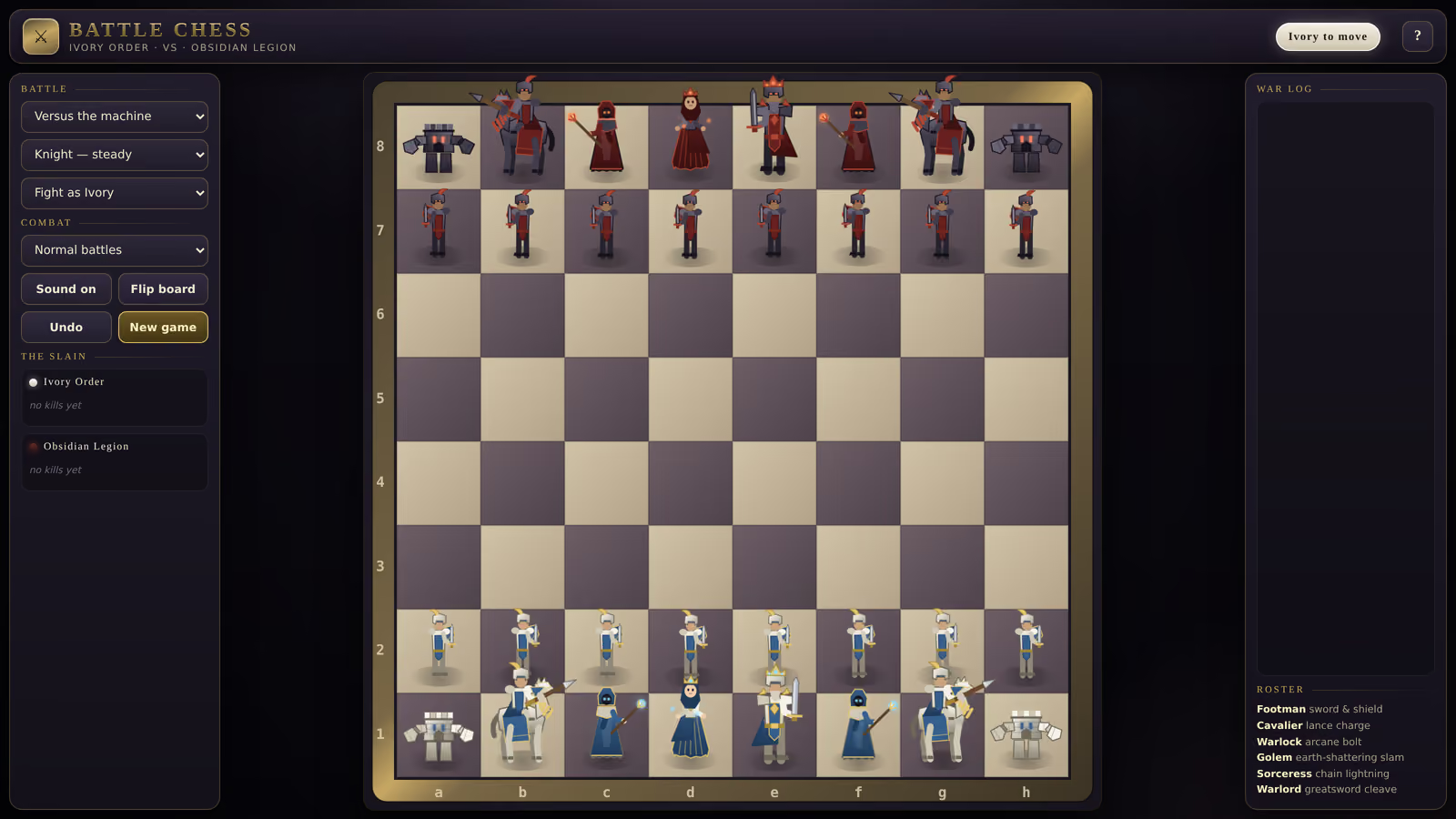
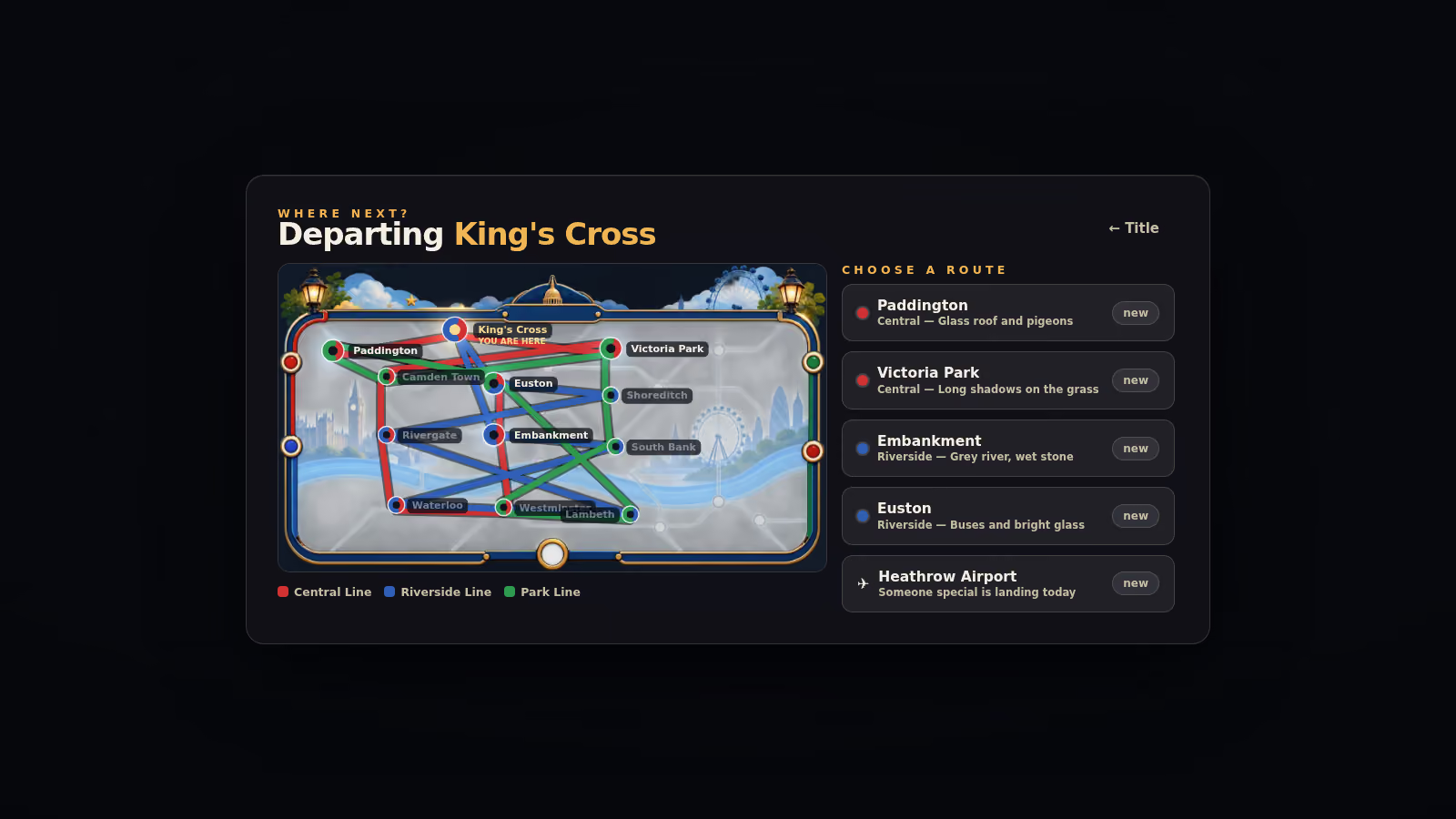
One themed level, running about ninety seconds. Themed means built for the brief rather than reskinned: the street, the house, the shop, the boat, whatever the occasion is actually about.
Up to three guest cameos. Three other people who appear in it. Not playable characters, but present and recognisable.
An original short score. Written for the build rather than licensed. Short, because the level is short.
A private web link. It opens on any phone or laptop, it is not listed anywhere, and it is theirs to keep.
Six things the entry tier is right for
The scope is narrow in a specific direction, which makes it excellent for some occasions and wrong for others.
One person, given by one person
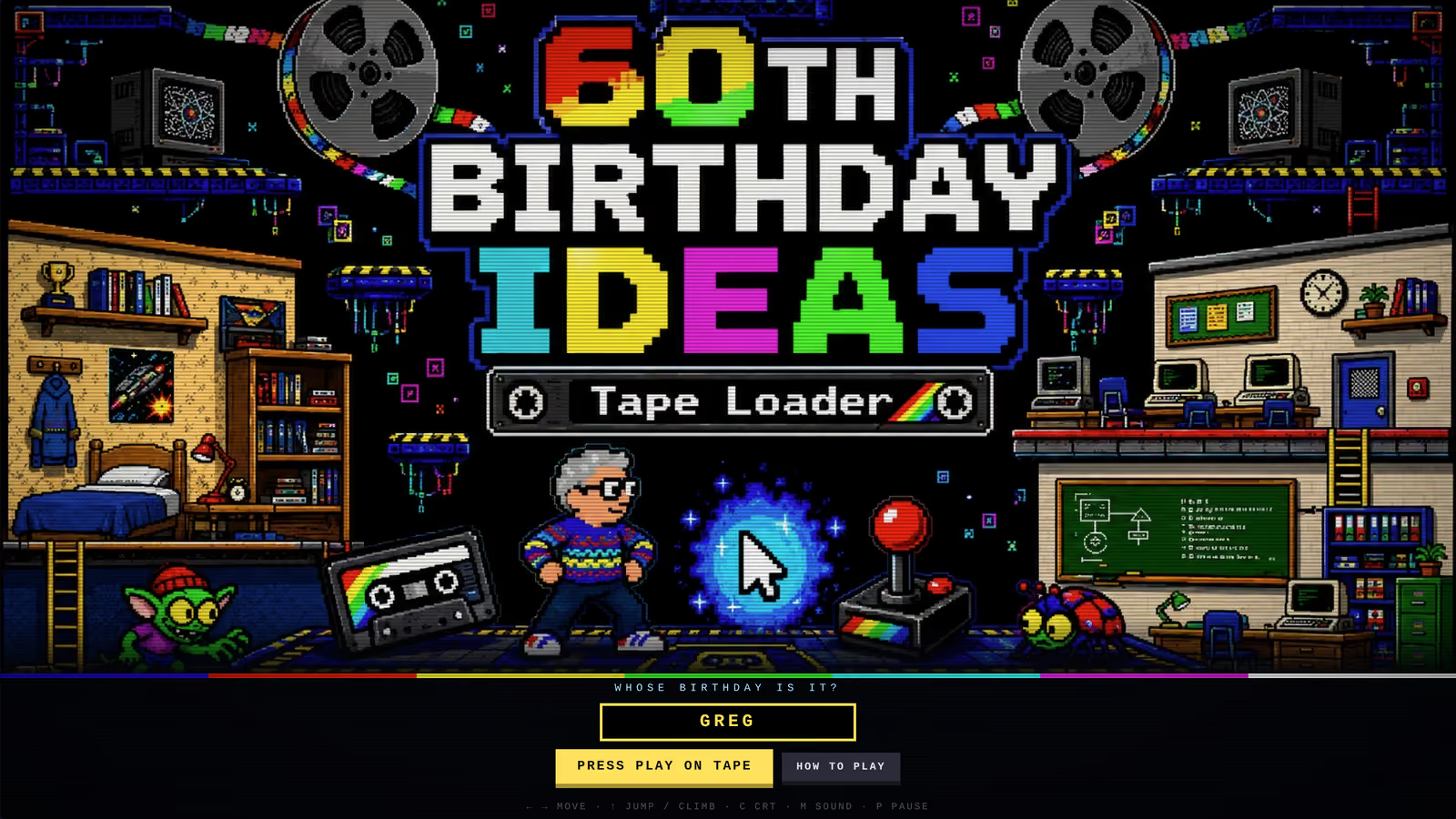
The tier is built around a single hero. A birthday present from a partner, a parent or a best friend is exactly the shape it fits, because the person opening it is the person it is about.
A gift with a deadline that is close
Less to build is less to schedule. Where a date is tight, scope is the lever that actually moves, and this is the tier where that lever is already pulled.
A first commission you want to see before committing
Some people want to hold the thing before spending more. That is a reasonable way to buy something unusual, and ninety seconds of finished work tells you more about whether the format lands than any amount of description.
One specific place that matters
A single level is a single setting, which suits a brief with one obvious location: the house they grew up in, the pub, the allotment, the road they cycle every Sunday. One place, painted properly, beats four places done thinly.
Something opened in front of one person, not thirty
Ninety seconds is the right length for a gift handed over across a table. It is the wrong length for a room of guests queuing to play, which is what the larger tiers are for.
A commission where the payoff is the likeness
If the whole point is somebody seeing themselves painted into a game, that lands in the first ten seconds. The rest of the scope is about how long the moment lasts, not whether it works.

When to go up a tier instead
Three things the entry tier does not stretch to, and it is better to know now than to find out at the brief stage.
More than three other people. If the gift is really about a group, three cameos will not carry it. The middle tier takes up to twelve, and the relationship between cast size and how often a game gets reopened is set out in what makes somebody open a game twice.
A room rather than a person. Anything opened at a party wants more than ninety seconds and more than one setting, because several people will want a go.
Cutscenes. Intro and outro cutscenes start at the middle tier. They are what turn a level into a story, and they are the single most common reason people move up.
What you are not paying less for
This is the part worth being direct about, because the assumption runs the other way.
The engine is the same. Movement, collision, the interface and the way a level is assembled are shared across every commission, which means those problems were solved once rather than per job. That is also why the price can start where it does, and it is the argument in why bespoke work costs what it does.
The artwork is painted the same way at every tier. There is no faster, cheaper painting mode.
And every build is driven before delivery by a program that plays the level and asserts the end can be reached, which is described in proving a game is actually finished. A short game gets the same guarantee as a long one.
What is smaller is scope: one hero instead of a cast, one level instead of four, ninety seconds instead of fifteen minutes.
What this means
It is a small scope, not a cheap version. The distinction matters, because a cheap version would be a worse gift and a small scope is frequently the right one.
Three cameos is the real constraint. If the answer to "who is in it" is more than four people including the hero, this is not the tier.
And decide the scope before the brief, not after. A build is a self-contained file rather than an account, so growing it later means building again.
What moves the price between the tiers is in how much a custom video game costs, and what to actually write in the brief is in how to write a brief for a custom game.